Penguin
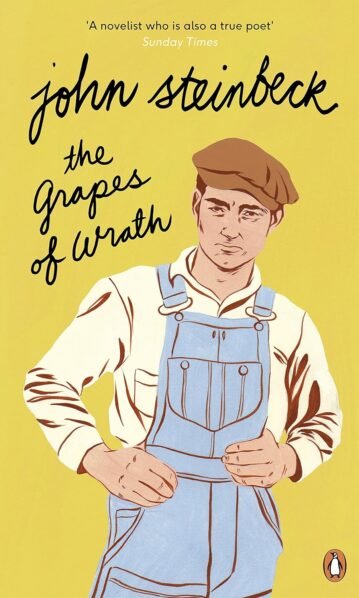
Grapes of Wrath
29,00 ₾‘To the red country and part of the gray country of Oklahoma, the last rains came gently, and they did not cut the scarred earth.’ Drought and economic depression are driving thousands from Oklahoma. As their land becomes just another strip in the dust bowl, the Joads, a family of sharecroppers, decide they have no choice but to follow. They head west, towards California, where they hope to find work and a future for their family. But while the journey to this promised land will take its inevitable toll, there remains uncertainty about what awaits their arrival . . .
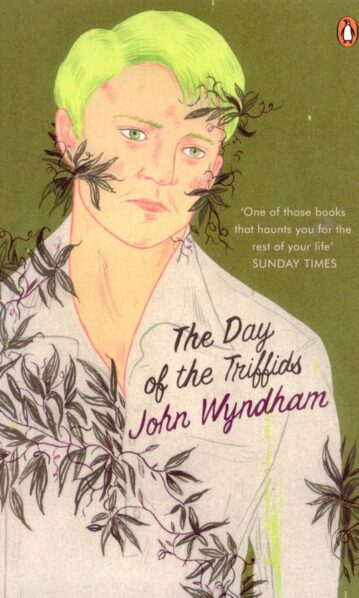
Day of the Triffids
26,00 ₾When a freak cosmic event renders most of the Earth’s population blind, Bill Masen – one of the lucky few to keep his sight – finds himself trapped in a London jammed with sightless mobs who prey on those who can still see. But another menace stalks blind and sighted alike. With nobody to stop them the Triffids – walking carnivorous plants with lethal stingers – rise up as humanity stumbles and falls . . .
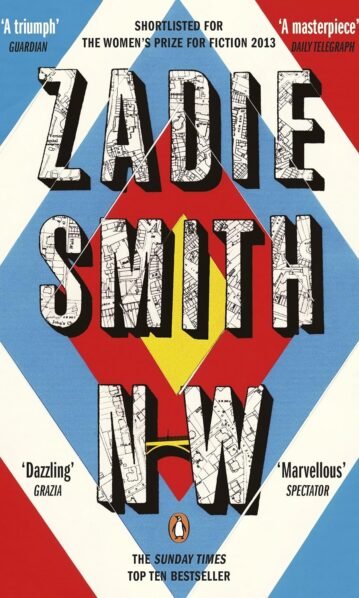
N-W
28,00 ₾zadie Smith’s brilliant tragi-comic NW follows four Londoners – Leah, Natalie, Felix and Nathan – after they’ve left their childhood council estate, grown up and moved on to different lives. From private houses to public parks, at work and at play, their city is brutal, beautiful and complicated. Yet after a chance encounter they each find that the choices they’ve made, the people they once were and are now, can suddenly, rapidly unravel. A portrait of modern urban life, NW is funny, sad and urgent – as brimming with vitality as the city itself.

Smith: White Teeth
30,00 ₾At the centre of this novel are two unlikely friends, Archie Jones and Samad Iqbal. Hapless veterans of World War II, Archie and Samad and their families become agents of England’s irrevocable transformation. A second marriage to Clara Bowden, a beautiful, albeit tooth-challenged, Jamaican half his age, quite literally gives Archie a second lease on life, and produces Irie, a knowing child whose personality doesn’t quite match her name (Jamaican for “no problem”). Samad’s late-in-life arranged marriage (he had to wait for his bride to be born), produces twin sons whose separate paths confound Iqbal’s every effort to direct them to his Islamic faith.

One Hundred Years Of Solitude
32,00 ₾One Hundred Years of Solitude tells the story of the rise and fall, birth and death of teh mythical town of Macondo through the history of the Buendia family. It is a rich and billiant chronicle of life and death and the tragicomedy of man. In the noble, ridiculous, beautiful, and tawdry story of the Buendia family one sees all mankind, just as in the history, myths, growth, and decay of Macondo one sees all of Latin America.
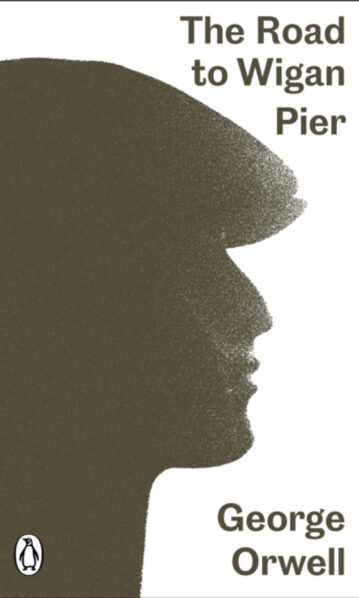
Road to Wigan Pier
26,00 ₾A searing account of George Orwell’s observations of working-class life in the bleak industrial heartlands of Yorkshire and Lancashire in the 1930s, The Road to Wigan Pier is a brilliant and bitter polemic that has lost of its political impact over time. His graphically unforgettable descriptions of social injustice, cramped slum housing, dangerous mining conditions, squalor, hunger and growing unemployment are written with unblinking honesty, fury and great humanity. It crystallized the ideas that would be found in Orwell’s later works and novels, and remains a powerful portrait of poverty, injustice and class divisions in Britain.