Showing 281–315 of 1828 resultsSorted by latest

Hundertwasser

58,00 

Friedensreich Hundertwasser, hero of fluid forms and ecology

Vivid color, organic forms, and a loathing of straight lines were just a few stalwart characteristics in the unique practice of Friedensreich Hundertwasser (1928–2000). A non-conformist hero, the artist, architect, and activist left a blazing trail of imagination and ideas in buildings, paintings, manifestos, initiatives, and more.

Hundertwasser’s best-known work is considered by many to be the Hundertwasserhaus in Vienna, a structural synthesis of the vitality and uniqueness that determined the artist’s entire oeuvre. For Hundertwasser, rational, sterile, monotonous buildings caused human misery. He called for a boycott of the modernist paradigm championed by the likes of Adolf Loos, and campaigned instead for an architecture of creative freedom and ecological commitment. A fierce opponent of straight lines, which he called “godless and immoral,” Hundertwasser was fascinated by the spiral, drawing also on the Secessionist forms of Klimt and Schiele.

This richly illustrated book traces Hundertwasser’s style and vision not only for each building, but for society at large. From naked addresses at the end of the 1960s to worldwide architecture projects and alternative blueprints for society, author Pierre Restany explores Hundertwasser’s most high-profile and innovative ideas in a thrilling introduction to a pioneering 20th-century mind.

Futurism

58,00 

The action men of modernism

With motion and machines as its most treasured tropes, Futurism was founded in 1909 by Filippo Tommaso Marinetti, along with painters Giacomo Balla, Umberto Boccioni, Carlo Carrà, and Gino Severini. With affiliate painters, sculptors, designers, architects, and writers, the group sought to subsume the dusty establishment into a new age of sleek, strong, purified modernity.

Futurism’s place in art history is as ambivalent as it is important. The movement pioneered revolutionary methods to convey movement, light, and speed, but sparks controversy in its glorification of war and fascist politics. Their frenzied, almost furious, canvases, are as remarkable for their macho aggression as they are for their radical experimentation with brushstrokes, texture, and color in the quest to record an object moving through space.

With key examples from the Futurists’ prolific output and leading practitioners, this book introduces the movement that spat vitriol at all -isms of the past and, in so doing, created an -ism of their own.

Dürer

58,00 

The art, theory, and woodcut print revolution of Albrecht Dürer

A polymath of the German Renaissance, Albrecht Dürer (1471–1528) was a prolific artist, theorist, and writer whose works explored everything from religion to art theory to philosophy. His vast body of work includes altarpieces, portraits, self-portraits, watercolors, and books, but is most celebrated for its astonishing collection of woodcut prints, which transformed printmaking from an artisan practice into a whole new art form.

Dürer’s woodcuts astonish in scale as much as detail. Through works such as Apocalypse and the Triumphal Arch for Emperor Maximilian I, he created dense, meticulous compositions that were much larger, much more finely cut, and far more complex than any earlier woodcut efforts. With an ambitious tonal and dynamic range, he introduced a new level of conceptual, emotional, and spiritual intensity. His two major woodcut series on Christ’s Passion, named The Large Passion and The Small Passion after their size, are particularly remarkable for their vivid human treatment of the Christian narrative. In his copper engraving, Melancholia I, meanwhile, Dürer created a startling vision of emotional ennui, often cited as a defining early image of a depressive or melancholic state.

Ever inquisitive, Dürer absorbed ideas not only from masters and fellow artists in Germany but also from Italy, while his own influence extended across Europe for generations to come. In this essential TASCHEN introduction, we explore this pioneering figure’s complex practice, his omnivorous intellect, and the key works which shaped his enduring legacy.

Caravaggio

58,00 

The Baroque genius who electrified art history

Michelangelo Merisi da Caravaggio (1571–1610) was always a name to be reckoned with. Notorious bad boy of the Italian Baroque, the artist was at once celebrated and controversial, violent in temper, precise in technique, a creative master, and a man on the run.

Though famed for his dramatic use of color, light, and shadow, it was above all Caravaggio’s boundary-breaking naturalism which scorched his name into the annals of art history. From the dirtied soles of feet to the sexualized languor of bare flesh, the artist allowed even sacred and biblical scenes to unfold with a startling, often visceral humanity. This vivid pictorial world was accompanied by an equally intense personal biography, scored by gambling, debts, drunken brawls, and even a murder charge.

This book brings together more than 50 of Caravaggio’s most famous and revolutionary works to explore how and why this artist is now considered the most important painter of the early Baroque period and one of the defining influences of art history, without whom Ribera, Vermeer, Rembrandt, Delacroix, Courbet, and Manet could never have painted the way they did.

Cubism

58,00 

Deconstructing perspective with Picasso and peers

Pioneered by Picasso and Braque, Cubism has been described as the first avant-garde art movement of the 20th century. With inspiration from African and Native American art and sculpture, its practitioners deconstructed European conventions of viewpoint, form, perspective to create flattened, fragmented, and revolutionary images.

Picasso’s celebrated painting Les Demoiselles d’Avignon is typically regarded as the original cubist work, with its radical fracturing of objects and figures into distinct areas, corresponding to multiple different viewpoints. Cubism thereafter developed two distinct trends: Analytical Cubism, which continued to interweave perspectival planes in muted blacks, greys and ochre, and later Synthetic Cubism, characterised by simpler shapes, brighter colors, and collage elements such as newspaper.

This book presents the prime protagonists of Cubism, with work from artists including Pablo Picasso, Georges Braque, Fernand Léger, Juan Gris, Albert Gleizes, and Robert Delaunay.

Rothko

58,00 

Tragedy, ecstasy, and doom

Resisting interpretation or classification, Mark Rothko (1903–1970) was a prominent advocate for the artist’s consummate freedom of expression. Although identified as a key protagonist of the Abstract Expressionist movement, first formed in New York City, Rothko rejected the label and insisted instead on “a consummated experience between picture and onlooker.”

Following a repertoire of figurative works, Rothko developed his now iconic canvases of bold color blocks in red, yellow, ochre, maroon, black, or green. With these shimmering, pulsating color masses, Rothko stressed that he had not removed the human figure but rather put symbols or shapes in its place. These intense color forms contained all the tragedy of the human condition. At the same time, Rothko explicitly empowered the viewer in the expressive potential of his work. He believed “A picture lives by companionship, expanding and quickening in the eyes of the sensitive observer.”

From his early development through to his most famous color fields, this book introduces the intellect and influence of Rothko’s dramatic, intimate, and revolutionary work.

Rivera

58,00 

A revolutionary spirit in modern art

Diego Rivera (1886–1957) is a loud presence on the art historical stage. With devout political principles and a turbulent romantic history, he was at once husband and paladin of Frida Kahlo, advocate and adversary of Stalin’s Soviet Union, and liberator and traitor of Leon Trotsky.

Vibrant, graphic, and often monumental, Rivera’s paintings carry the same live political and passionate charge as his personal biography. Fusing European influences such as Cubism with a socialist ideology and an exaltation of Mexico’s indigenous and popular heritage, he created a new iconography for art history and for his country. He became one of the most important figures in the Mexican mural movement and won international acclaim for his public wall paintings, in which he presented a utopian yet accessible vision of a post-revolutionary Mexico. In 1931, Rivera was the subject of MoMA’s second ever monographic exhibition.

This book explores the unique blend of influence and ideology which secure Rivera’s place as both a unique and a universal painter, bound to the particular turbulent experience of early 20th century Mexico, and yet preoccupied with subjects such as revolution and class inequity which continue to speak to us today.

Michelangelo

58,00 

Michelangelo, in pursuit of the beautiful and sublime

Italian-born Michelangelo di Lodovico Buonarroti Simoni (1475–1564) was a tormented, prodigiously talented, and God-fearing Renaissance man. His manifold achievements in painting, sculpture, architecture, poetry, and engineering combined body, spirit, and God into visionary masterpieces that changed art history forever. Famed biographer Giorgio Vasari considered him the pinnacle of Renaissance achievement. His peers called him simply “Il Divino” (“the divine one”).

This book provides the essential introduction to Michelangelo with all the awe-inspiring masterpieces and none of the queues and crowds. With vivid illustration and accessible texts, we explore the artist’s extraordinary figuration and celebrated style of terribilità (momentous grandeur), which allowed human and biblical drama to exist in compelling scale and fervor. Through the power hubs of Renaissance Italy, we take in his major commissions and phenomenal capacity for compositional schemes, whether the famous Medici library in Florence, or the extraordinary 500-square-meter ceiling (1508–1512) in the Vatican’s Sistine Chapel.

From the towering David to the aching grief and faith of The Pietà and the vivid drama of the Sistine Chapel’s Last Judgment, this is a succinct, dependable reference to a true giant of art history and to some of the most famous artworks in the world.

McCurry Animals

58,00 

Steve McCurry photographs the animal kingdom

In Animals, we discover a different side to the famed photographer who skillfully explores animals’ complex relationship with humans and the environment.

Tenderness abounds, particularly in scenes of unkempt street dogs sleeping contentedly next to a human. But there’s also a kind of essential solitude, with animals belonging to no one and simply wandering through life with only their survival instincts to guide them. We witness camels caught in the crossfire during the first Gulf War; a shepherd from Northern Pakistan tenderly feeding his goats; Beverly Hills designer dogs; race horses on a Hong Kong rooftop; an elephant in Thailand, and more images selected by McCurry from his vast archives.

Through McCurry’s lens, we discover an appreciation for each creature’s beauty and silent dignity. This kaleidoscopic collection is at once a beautiful travelogue and a touching tribute to the creatures who share our planet.

Piano

58,00 

The exploration and iconoclasm of an Italian master

While some architects have a signature style, Renzo Piano seeks to apply coherent ideas to extraordinarily different projects. His buildings impress as much for their individual impact as for their diversity of scale, material, and form.

Piano rose to international prominence with his codesign of the Pompidou Center in Paris, described by The New York Times as a building that “turned the architecture world upside down.” Since then, he has continued to craft many high-profile cultural spaces, including the Modern Wing of the Art Institute of Chicago; the Morgan Library Renovation and Expansion in New York; and, most recently, the Whitney Museum of American Art, an asymmetric nine-story structure in Manhattan’s Meatpacking District with both indoor and outdoor galleries. In New York and London, the Renzo touch has also transformed the skyline with the towers of the New York Times Building and the Shard, the tallest building in the European Union.

This essential introduction travels from Osaka, Japan, to Bern, Switzerland, and through many cities, structures, and islands in between, to explore the staggering scope of the Renzo Piano repertoire. From the “inside-out” Pompidou to the airy shells of the Tjibaou Cultural Center in Nouméa, New Caledonia, this is a thrilling journey through the beauty of architecture, where, in Piano’s own words, “each time, it is like life starting all over again.”

Paris 1920s

58,00 

A vivid cultural portrait of 1920s Paris

Paris is the City of Light in all its facets. In the 1920s La Ville des lumières gleams especially bright and becomes a magnet for creative people from around the world. This is the decade of Coco Chanel and Josephine Baker, Art Deco and Surrealism, café culture and cabaret. The most famous artists of the epoch, later called Classic Modernism, are in close contact and have lively exchanges with one another – including Marcel Duchamp, Francis Picabia, Pablo Picasso, René Clair, Sonia Delaunay, André Breton, Paul Éluard, Max Ernst and Salvador Dalí. The creative life and all its excesses flourish – bohème is the word for this way of living. Composers like Igor Stravinsky, writers like James Joyce or Ernest Hemingway and exiles from Eastern Europe like Constantin Brancuşi or Marc Chagall enrich the illustrious scene on Montparnasse. The pulsing bars and dance halls of Montmartre are captured by photographers André Kertesz and Brassaï. The French economy is booming and luxury department stores like La Samaritaine open their doors. Coco Chanel creates her own perfume and designs the little black dress.

More than 30 outstanding works of architecture, painting, sculpture, film, photography, design and fashion are presented, including Giacometti’s Surrealist Suspended Ball and the film Un chien andalou by Dalí and Buñuel. To this day, the burgeoning creativity, diversity and savoir vivre make Paris a place of longing for night owls, bons vivants and aficionados of the fine arts.

Interiors Now!

110,00 

A tour of contemporary home decor around the world

With an inspirational richness and diversity of styles, these homes, residences, hideaways, and studios will astound and astonish, no matter the taste; be it rustic country cottage, New York–style loft, or bohemian bungalow. This survey of contemporary interior design carefully curates homes from all over the world—from Auckland, New Zealand, to Avignon, France.

Mapped out through hundreds of images by renowned interior photographers, these gorgeous houses offer inspiration and ideas for your next renovation. Many of the selected homes are owned by creatives—designers, filmmakers, and collectors—whose eye for the perfect synthesis of interior elements is impressive, to say the least. Bringing together wallpaper, furniture, textiles, and objet d’art while cautiously balancing color, texture, and form, the creators of these dynamic spaces practice an art form of their own.

Eclectic or minimal, antique or extra-modern, this variety of decor locates contemporary style in all its manifestations, showcasing the endless possibilities and home-making magic of interior design.

The History of Graphic Design

110,00 

Through the turbulent passage of time, graphic design—with its vivid, neat synthesis of image and idea—has distilled the spirit of each age. Surrounding us every minute of every day, from minimalist packaging to colorful adverts, smart environmental graphics to sleek interfaces: graphic design is as much about transmitting information as it is about reflecting society’s cultural aspirations and values.

With his sweeping knowledge of the field, author Jens Müller curates the standout designs for each year, a running sequence of design milestones. This collection of important graphic works represents a long-overdue reflection on the development of a creative field constantly changing and challenging itself. These key pieces act as coordinates through contemporary history, helping us trace the sheer influence of graphic design on our daily lives.

ფაცერი

25,00 

გია დანელიას დღემდე გამოქვეყნებული წიგნებია: „ასკინკილა“; „ფიქრი,

მქროლავი წამისა“; „100 ლექსი და… დრო!“; „ძახილი სიყრმის“;

„შემოდგომისპირის მოთხრობები“ და „სარკმელს მიღმა“.

რომანი „ფაცერი“ გურიის ერთი ჩვეულებრივი, შეძლებული გლეხის

ოჯახში დაბადებული ორი ძმის ტრაგიკულ ისტორიაზე მოგვითხრობს.

კოლია გასაბჭოებისა და რევოლუციის მოწი ნააღმდეგეა, გრიშა –

კომუნისტური იდეო ლოგიის აპოლოგეტი, ცხოვრების ქარტეხილებმა

კი მათი მსო ფლმხედველობა დიამეტრულად შეცვალა.

წიგნში ასახულია შესაბამისი ეპოქა ბოლშევიკური რევოლუციებითა და

გადასახლებებით, მსოფლიო ომებითა და საბჭოთა ტერორით…

ავტორს გამოყენებული აქვს ავტობიოგრაფიული ჩანაწერები და დღი –

ურები, რაც უფრო საინტერესოსა და დამაჯერებელს ხდის ნაწარმოებს

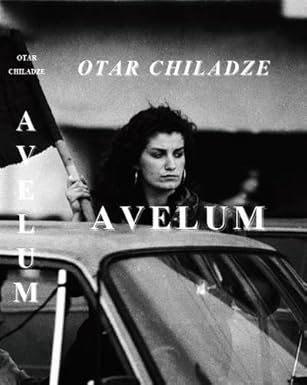
Avelum: A Survey of the Current Press and a Few Love Affairs

99,00 

Otar Chiladze’s fifth, greatest, most political and personal novel, translated from the Georgian about the collapse of the Soviet Evil Empire and of the hero’s own private empire of love, an insight into the predicament of a Soviet intellectual and a newly emergent Georgia. Because of high postage costs, available only to UK buyers: if you live outside the UK, please contact me, and I may list the item for 24 hours at a higher price to cover the additional postage costs.

A Man Was Going Down the Road

99,00 

Based on the legend of Jason and Medea, the novel is a subtle allegory of the conquest of Georgia by Russia (subtle enough to escape the Soviet censor), as well as a reconstruction of life on the Black Sea coast in 700 BC. It is also a study of the conflict between the artist’s ideals and woman’s needs. Beautifully written, this has been many Georgians’ favourite novel: if you live outside the UK and Europe, please contact me, and I may list the item for 24 hours at a higher price to cover the additional postage costs.

Unveiling Vazha Pshavela: A dozen poems by Vazha, with stories and artworks inspired by him

99,00 

Unveiling Vazha Pshavela A dozen poems by Vazha, with stories and artworks inspired by him Manana Antelidze Ana Kordzaia-Samadashvili Andro Semeiko Leonid Semeiko Translated by Donald Rayfield “Unveiling Vazha Pshavela” is initiated by the artist Andro Semeiko and is exploring notions of self and motherland – through landscape, ethnography, and ideas and language of the Georgian poet Vazha Pshavela, who lived at the turn of the 20th century. The book includes three epic poems and nine shorter lyrics by the poet translated by Donald Rayfield OBE. The shorter poems are published in English for the first time. The book contains specially commissioned works by the writer Ana Kordzaia-Samadashvili, the fashion designer Manana Antelidze, and the artist Leonid Semeiko, which are published together with Andro Semeiko’s artworks. The book is the most comprehensive publication to date of Vazha Pshavela’s poems in English. The selection of the poems in the book illustrates the development of the poet’s humanist ideas and approach to nature that are relevant to ecology and social democracy in the world today. They are accompanied by an introduction by Donald Rayfield, which, together with the works by the others involved, offers several angles for a vision of the poet’s work – bridging his ideas with the present time.

Memorabilia Collection: Formula 1

55,00 

Enter the world of speed, aerodynamics and high-octane horsepower with this comprehensive collection of all things Formula 1. From the engineering precision of the race cars to the continental streets of Monte Carlo, the Memorabilia Collection is an all-access pit stop for this high-pressure sport and is a must-have for all speed junkies. The F1 Memorabilia Collection includes five collectable postcards, five iconic photographs, a world map detailing all the main F1 circuits and a replica newspaper covering stories that have shaped the sport.

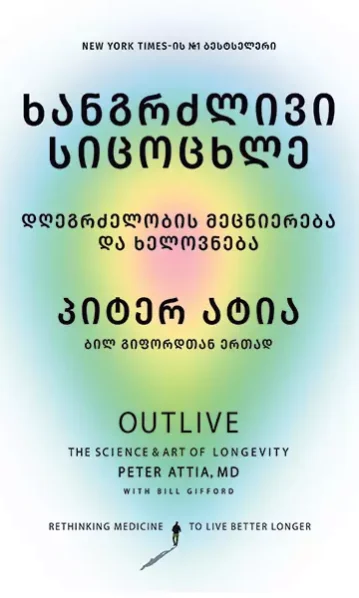
ხანგრძლივი სიცოცხლე

40,00 

30 წლის ასაკისთვის დღეგრძელობის წამყვანი ექსპერტი, დოქტორი პიტერ ატია მარათონელი მოცურავე იყო და კატალინას არხიც კი გადაცურა. მაგრამ თანდათან აღმოაჩინა, რომ უკვე აღარ იყო ჯანმრთელი და გულის დაავადებით ნაადრევი სიკვდილის გზას ადგა. ამის გაცნობიერებამ დღეგრძელობი ს გააზრებამდე მიიყვანა: როგორ და რატომ ვკვდებით და როგორ შეგვიძლია გადავავადოთ ან სულაც თავიდან ავირიდოთ ქრონიკული დაავადებები, რომლებიც ყველაზე მეტი ადამიანის გარდაცვალების მიზეზია, მათ შორისაა გულის დაავადება, კიბო, ალცჰაიმერი და მეორე ტიპის დიაბეტი. ხანგრძლივად და უკეთესად ცხოვრების ამ ინოვაციური მანიფესტით დოქტორი პიტერ ატია ხსნის, თუ როგორ მიიყვანა ამ მოგზაურობამ ჯანმრთელობის გადააზრებამდე.