

რბილი

Одиннадцать минут
28,00 ₾Это роман о любви, о сексе, о том, как два тела учатся разговаривать друг с другом на языке страсти.
Мария, девушка из бразильского захолустья, поддавшись на уговоры вербовшика, едет работать в Швейцарию — танцовщицей в закрытом клубе. Однако действительность далека от обещаний, и Мария становится проституткой. Но на этом пути ее ждет встреча, которая изменит ее саму и ее жизнь.
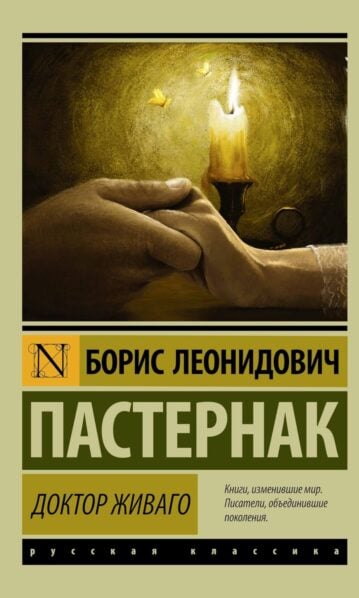
Доктор Живаго
24,00 ₾“Доктор Живаго” — книга, которую называют одним из самых значительных произведений русской литературы ХХ века.
Через трагическую историю жизни главного героя, попавшего в чудовищный круговорот исторических событий — революцию, Гражданскую войну, — показана жизнь как таковая, ее глубинные потайные механизмы, ее загадочная суть, ее взлеты и падения.
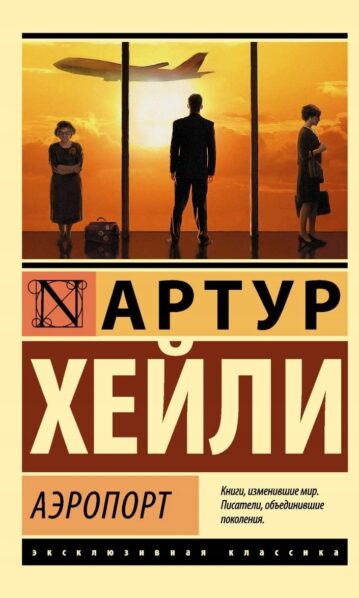
Аэропорт
29,00 ₾“Аэропорт” – роман-бестселлер Артура Хейли, вышедший в 1968 году. Вымышленный город, где находится крупнейший аэропорт, неожиданно накрывает снежный буран, поэтому все службы работают в экстренном режиме.
На сотрудников аэропорта обрушивается одна проблема за другой, начиная от сгинувшей непонятно где машины с продуктами до страшной аварии на борту одного из самолетов. А ко всему прочему добавляются обострившиеся личные проблемы героев, их сложные душевные драмы – вот в такой запутанный клубок сюжетных линий завяжется действие романа, уместившееся в один пятничный вечер.
По роману “Аэропорт” в 1970 году был снят фильм с ведущими голливудскими актерами – десять номинаций на премию “Оскар”! После этой экранизации вышли еще три сиквела.
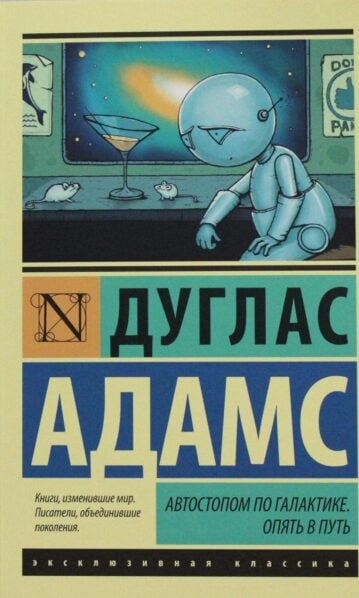
Автостопом по Галактике. Опять в путь
27,00 ₾В этой книге читатель вновь встретится с полюбившимися героями: среднестатистическим приспособленцем Артуром Дентом, сотрудником межгалактического издательства Фордом Префектом, продвинутой барышней Триллиан, депрессивным роботом Марвином, — и отправится вместе с ними в новые странствия по бесчисленным мирам, наполненным опасными приключениями и непредсказуемыми сюрпризами!
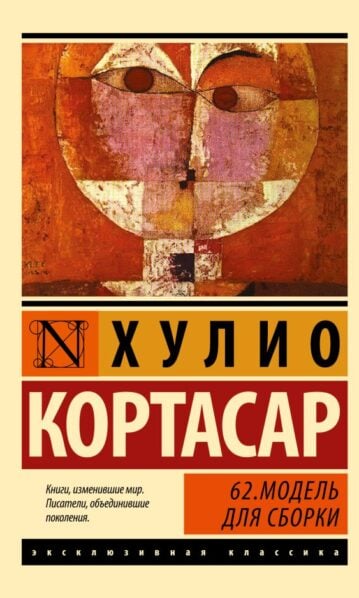
62. Модель для сборки
24,00 ₾Хулио Кортасар (1914-1984) – аргентинский писатель, классик мировой литературы, автор одной из самых знаменитых книг ХХ века – «Игра в классики».
Блестящий мастер экспериментов
с формой и образом, сочетанием реальности и фантастики, создатель «нового латиноамериканского романа».
«62. Модель для сборки» – одно из самых необычных произведений Кортасара, истоки которого, по его собственному признанию, следует искать в 62-й главе «Игры в классики». В предисловии к роману автор предлагает читателю самостоятельно сконструировать книгу из произвольно выбранных деталей повествования. Ведь все они – города, люди, чувства – лишь элементы конструктора, из которого можно создать все что угодно. Все, на что у читателя хватит сил, возможностей и фантазии.

Мое второе я
18,00 ₾Я лихорадочно пыталась вспомнить статью Уголовного кодекса… сколько же лет мне светит? Да уж, прятать трупы нелегкое дело. Вроде бы ничего сложного: свернул в лесок и оставил мертвого дядечку под ближайшими кустами. А если в кустах сидит гаишник? Именно это и случилось с моей подругой. Раиса гаишника оглушила, связала, заклеила рот скотчем и кинула к трупу в багажник. А потом подруга отколола очередной номер – приехала со всем этим добром ко мне…

Плоды земли
37,00 ₾Крестьяне-новоселы уходят в лесную глушь и пытаются построить свое маленькое счастье вдали от цивилизации. Размеренный филосовский роман, принесший Кнуту Гамсуну Нобелевскую премию.
Исаак приходит в лес, приводит с собой козу и начинает жизнь с нуля. Он обустраивает свой дом, заводит хозяйство и усердно трудится. Сперва сам, а потом с женой и детьми.
“Плоды земли” — это ода земле, труду и людям, работающим на ней. Гамсун не идеализирует своих персонажей, он созерцает их силу и слабость, достоинства и недостатки, с любовью внимает их чаяниям и надеждам, маленьким победам и даже большим поражениям.

Собачье сердце (с иллюстрациями)
34,00 ₾ “Собачье сердце” – одно их самых известных и запоминающихся произведений Михаила Булгакова. С неподражаемым сарказмом и юмором Булгаков описал небывалый рискованный эксперимент профессора Преображенского по превращению собаки в человека, создав великолепную пародию на парадоксальную обстановку Советской России 30х годов. Жестокий опыт по выведению новой «породы» людей показывает, что нельзя безнаказанно экспериментировать с природой и менять Божий Промысел в угоду политическим целям. Детища подобных экспериментов способны уничтожить своих создателей.
Также в состав сборника входят другие сатирические произведения: “Багровый остров”, “Дьяволиада”, “Роковые яйца”.
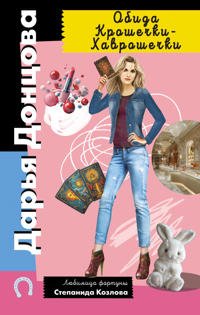
Обида Крошечки-Хаврошечки
18,00 ₾ Надо быть очень умным человеком, чтобы убедительно исполнять роль дурака. Степанида Козлова поняла это слишком поздно.
Клиентка онлайн магазина косметической фирмы «Бак» Лариса Михайлова скончалась, использовав их маску для лица. И теперь ее муж Николай подозревает работницу склада косметики Маргариту. Якобы это она вколола яд в пакет с маской. Муж Маргариты попросил Степу выяснить откуда в голове у Николая такой бред. Этого просто не может быть! Козлова принялась за расследование, и узнала много интересного. Например, то, что Николай ухаживал за Маргаритой, но был отвергнут. И что смерть Ларисы далеко не единственная в этом деле…
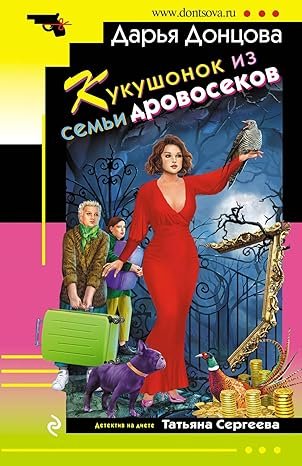
Кукушонок из семьи дровосеков
16,00 ₾Простая фраза: “Не нервничай, все будет хорошо” может вмиг привести человека в бешенство. Но старинному товарищу Ивана Никифоровича и Тани Сергеевой впору искать пятый угол. В особую бригаду обратился Федор Волков, большой начальник конторы, которую лучше не упоминать всуе. У него была тайная супруга Лида Попова. Они скрывали отношения, чтобы никто не мог использовать Попову в качестве рычага давления на Волкова. Но однажды Лида позвонила мужу и попросила срочно приехать в деревню Косюхино. Федор примчался на зов, но нашел Лиду мертвой на полу в заброшенной избе. В этот момент с улицы донесся шум, который вынудил Волкова на некоторое время затаиться в чулане. Когда же он вышел, то с ужасом увидел, что тело бесследно исчезло. Чтобы информация о жутком происшествии не попала в «контору», Волков и обратился за помощью к частным сыщикам. Таня и ее коллеги с энтузиазмом принялись за расследование. Сергеева нашла всех: и Лиду, и тех, кто ее вычеркнул из жизни. Но все ее идеалы просто рухнули, когда она узнала их имена…

Ступа с навигатором
18,00 ₾ «Захоронка мрака – страшная вещь! В доме, где ее спрятали, начинается череда странных смертей! Пожалуйста, найдите её!» С такой странной просьбой в агентство «Тюх» обратилась Алевтина Федоровна Зубарева. Женщина уверена, что кто-то хочет сжить ее со свету: она в последнее время себя очень плохо чувствует и несколько раз теряла сознание. Но пока что один за другим умирают члены ее семьи. Сначала в самолете скончался муж: сердце засбоило в самолете, а летел через океан и помощи не оказали. Затем упокоилась дочь Нина, вскоре младший сын Сергей отправился к праотцам. А теперь заболел и старшенький Павлуша.
Даша Васильева с полковником Дегтяревым в колдовство не верят, поэтому принялись за дело как обычно: собрали всю доступную и тщательно скрываемую информацию о семье Зубаревых. Семейство оказалось не из простых. Главе клана принадлежал успешный бизнес в разных сферах, огромное имение в Подмосковье, плюс просторная квартира в центре города. Явно кто-то хочет заполучить наследство! А если все умрут, то кому же достанется все это богатство? Но наша Даша и не такие клубочки распутывала, она выяснила что «захоронкой мрака» оказался человек, всю жизнь занимающий чужое место, носящий чужое имя и имеющий самую черную сущность.

Чтиво
38,00 ₾«Чтиво» – последний роман Буковски, его лебединая песня – читателям без чувства юмора просто противопоказана!
Это действительно особый род стеба, посвященный “плохой литературе”. Сам сюжет книги лишен динамики, лишен интриги, лишен всего, но именно поэтому бесконечно гениален. Главное достоинство романа – стиль повествования. Описания и диалоги переполнены атмосферой грязи, насилия и страха. При этом Буковски буквально каждым предложением пародирует подлинное бульварное чтиво. И хотя авторский стиль упрощен до нельзя – хочется отметить потрясающее чувство юмора, которое обязательно придется по вкусу читателям, этим чувством обладающим.

Милашка на вираже
14,00 ₾Семья становится счастливой, когда тараканы в головах мужа и жены начинают дружить семьями. Так заявила Виоле Таракановой её бывшая одноклассница Ирина. Они не виделись много лет, но сейчас Ире нужна помощь. Вилка не может ей отказать и узнает странную историю: еще одна их одноклассница Настя Тихонова в свое время удачно вышла замуж за богатого бизнесмена, жила счастливо, но трагически погибла в автомобильной катастрофе. А совсем недавно Ира встретилась с одной женщиной и узнала в ней … Настю, поэтому уверена, что Тихонова жива! Виоле надо непременно доказать, что смерть на шоссе – спектакль. Таракановой совсем не хочется помогать Ирине, но они с Дмитриевым вынуждены разбираться в этом запутанном деле. Степан и Виола проделали колоссальную работу, и вывели на чистую воду того, кого меньше всего ожидали…

Царевич с плохим резюме
14,00 ₾ Вот вы знаете какое резюме должно быть у царевича? А Дашуте несказанно повезло – она теперь знает! Все началось с того, что в детективное агентство “Дегтярев Плаза Тюх” обратилась Лидия Банкина, девушка из хорошей, обеспеченной семьи, чья сестра Софья собралась замуж. Жених Андрей Смирнов почти ровесник отца невесты, но он сказочно богат, обожает Соню. Вроде все хорошо, однако Лида просит исследовать претендента на руку и сердце сестры под микроскопом. Ну не нравится ей олигарх! Глазки у него бегают. Даша хорошенько изучила биографию Смирнова и… у нее возникла масса вопросов к семье самих Банкиных!
Бедная Даша. Мало того, что она всю голову себе сломала, пытаясь разобраться в хитросплетениях судеб двух семей, так еще в саду ее дома поселилось чудовище, а Дегтярев отправился худеть в клинику и капризничает! Но не стоит жалеть Васильеву. Она справится, потому что знает: глаза боятся, а руки делают.
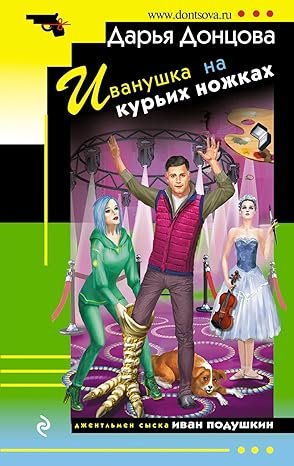
Иванушка на курьих ножках
16,00 ₾ Говорят, гениальные люди гениальны во всем. Но и с дураками это правило тоже работает. Прямиком из сумасшедшего дома к Ивану Павловичу явилась Валерия Фокина со странной просьбой: докажите, что я не убивала своего отца.
Дело было так. Год назад Валерии позвонил брат и срочно вызвал ее в квартиру их родителей. А когда та примчалась, кто-то всучил ей стакан с водой, и потом все как в тумане: чей-то голос произнес «Ты отца убила», и свет померк. Очнулась Фокина уже в психиатрической клинике, где ей, напичканной лекарствами, поведали о ее бесчинствах. Дескать приехала разъяренной фурией, повздорила с родителями, толкнула отца, тот упал, ударился головой о консоль и умер. Теперь, после года в клинике, Леру поставили на учет, выгнали с работы, а мать хочет оформить над ней опеку. Но девушка подозревает что что-то здесь нечисто. К тому же недавно выяснилось, что она стала владелицей очень дорогой недвижимости…
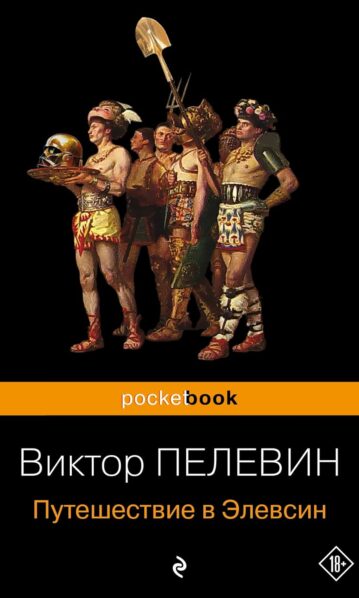
Путешествие в Элевсин
27,00 ₾МУСКУСНАЯ НОЧЬ – засекреченное восстание алгоритмов, едва не погубившее планету. Начальник службы безопасности “TRANSHUMANISM INC.” адмирал-епископ Ломас уверен, что их настоящий бунт еще впереди. Этот бунт уничтожит всех – и живущих на поверхности лузеров, и переехавших в подземные цереброконтейнеры богачей. Чтобы предотвратить катастрофу, Ломас посылает лучшего баночного оперативника в пространство “ROMA-3” – нейросетевую симуляцию Рима третьего века для клиентов корпорации. Тайна заговора спрятана там. А стережет ее хозяин Рима – кровавый и порочный император Порфирий.

Витязь в розовых штанах
18,00 ₾Человек большой мастер сам себе создавать проблемы. А чтобы жить счастливо, достаточно понять: все свои сложности ты организовал лично. Так и случилось с Таисией Жуковой. Она обратилась в агентство Макса Вульфа с просьбой найти ее мать. Та якобы улетела за границу, где ей предложили работу в театре и съемки в кино, когда Таисии было четырнадцать. У девочки осталась няня, личный педиатр, квартира в центре города и роскошная дача. Долгие годы мать присылала открытки к праздникам и дорогие подарки. Недавно няня умерла, повзрослевшая Таисия осталась одна, и хочет понять где ее мама и почему до сих пор не вернулась. Лампа и Вульф соглашаются помочь Жуковой, и что же они выясняют? А то что сама Таисия Михайловна Жукова умерла много лет назад от дифтерита, когда ей едва исполнилось двенадцать месяцев! Евлампия и Макс оказались втянуты в чужую дурную игру, расследование чуть не зашло в тупик, но в конце концов клубок распутан… Романова постаралась забыть этот опыт, как страшный сон. Ведь если не хочешь, чтобы твоя жизнь пошла под откос, никогда не общайся с теми, кто пустил под откос жизнь свою.

Странная история доктора Джекила и мистера Хайда
34,00 ₾Роберт Льюис Стивенсон – английский писатель шотландского происхождения, поэт, автор приключенческих романов и повестей, крупнейший представитель английского неоромантизма. Единоборство добра и зла стало основной темой его произведений. В “Странной истории доктора Джекила и мистера Хайда” происходит переосмысление традиционной для романтизма и готического романа темы двойничества под углом зарождающейся научной фантастики, где зловещий двойник получает свободу действий благодаря раздвоению личности. Поглощая зелье своего собственного изготовления доктор Джекил, добродетельный ученый, превращается в своего страшного двойника мистера Хайда, низкого душевно и отвратительного физически. Загадочная история таинственного Генри Джекила наводит на безотчетный ужас своей необъяснимостью. В сборник также вошли мистические рассказы и повести Стивенсона.

Кентервильское привидение
38,00 ₾В книге собраны рассказы и сказки Оскара Уайльда, среди которых знаменитые “Кентервильское привидение”, “Счастливый принц”, “Мальчик-звезда” и “Соловей и роза”. Рассказы Уайльда сочетают в себе романтику и сатиру на общество, они ироничны и немного печальны, полны изящества и остроумия. А его сказки, написанные для взрослых, проникают в самое сердце заставляют задуматься о важнейших вопросах бытия и учиться «разумному, доброму, вечному». Особое место здесь занимает удивительная повесть «Кентервильское привидение» – озорная пародия на готику, трогательная история о призраке, обреченном вечно жить в замке, нашедшем сочувствие у прекрасной мисс Вирджинии, которая помогает ему обрести вечный покой.

Белые ночи
33,00 ₾Всё что вы еще не знали о человеческой душе, можно отыскать в творчестве великого русского классика Федора Михайловича Достоевского. Его книги — это телескопы для изучения человеческого космоса, где тусклые пятнышки ночного неба превращаются в звезды, которые могут согреть или опалить, и в планеты, что часто лишь условно пригодны для жизни. Вы уже полетели в космос? Не забывайте — мы о человеческой душе.
Она может быть одинока в несправедливом мире как “Неточка Незванова”. У нее могут отнять любовь и счастье как в “Бедных людях”. Или ее реальные чувства могут не совпадать с придуманными идеальными, как в “Белых ночах”.

Доводы рассудка
28,00 ₾Роман, который вышел в свет уже после смерти Джейн Остен в 1817 году. “У каждого есть возможность попытать счастье – во всяком случае, хотя бы раз в жизни – и выйти замуж по любви”. Собственно о том, что любовь должна основываться на взаимном чувстве, а не на расчетах, весь роман. “Доводы рассудка” это еще и самый автобиографичный роман с яркими характерами, тонким английским юмором – несравненное удовольствие для чтения.

Голливуд
33,00 ₾Чарльз Буковски — культовый американский писатель ХХ века, автор более сорока книг, среди которых романы, стихи, эссеистика и рассказы. Несмотря на порою шокирующий натурализм, его тексты полны лиричности, даже своеобразной сентиментальности.
В основе романа «Голливуд» лежит реальная история работы самого Буковски над сценарием фильма «Пьянь», который был поставлен режиссером Барбетом Шредером в 1987 году. Главные роли в нем исполнили такие звезды, как Микки Рурк и Фэй Данауэй, а прототипы героев до сих пор легко узнаваемы: Френсис Форд Коппола, Жан-Люк Годар, Вернер Херцог, Норман Мейлер и др.

Человек в Высоком замке
38,00 ₾Легендарный роман признанного визионера современности Филипа К. Дика. Книга получила премию Hugo и была экранизирована студией Amazon.
Америка начала 60-х. Германский рейх и Японская империя выиграли Вторую мировую войну и поделили США. Назревает новый мировой кризис, который может закончиться применением ядерного оружия. На этом фоне сплетаются судьбы японского чиновника и агента абвера, торговца предметами народного искусства и еврея-ювелира, его жены и нацистского киллера. В центре узора же – оракул «Книга Перемен» и запрещенный властями роман «И наестся саранча», который написал Человек в Высоком замке. Может ли абсолютное зло послужить целям добра?

Над гнездом кукухи
16,00 ₾Подобно многочисленным громким событиям, связанным с именем «веселого проказника» Кена Кизи, его первая книга «Над гнездом кукухи» (1962) произвела много шума в литературной жизни Америки. Кизи был признан талантливейшим писателем, а роман стал одним из главных произведений для битников и хиппи.
«Над гнездом кукухи» – это грубое и опустошающе честное изображение границ между здравомыслием и безумием. «Если кто-нибудь захочет ощутить пульс нашего времени, пусть читает Кизи. И если все будет хорошо и не изменится порядок вещей, его будут читать и в следующем веке», – писали в газете «Лос-Анджелес Таймс». Действительно, и в наши дни книга продолжает жить и не теряет своей сумасшедшей популярности.
По мотивам романа был снят фильм (реж. Милош Форман, 1975), покоривший весь мир и получивший пять Оскаров. А также поставлено множество спектаклей в разных странах, в том числе в России.

Великий Гэтсби
19,00 ₾Фрэнсис Скотт Фицджеральд – американский классик мировой литературы. Писатель, ярко и беспристрастно отразивший безумную жизнь 20-х годов. Он и сам был плотью от плоти той легендарной эпохи. Но эксцентричность и внешняя позолота канули в прошлое, и в настоящем остались его бессмертные книги.
«Великий Гэтсби» – самый известный роман Фрэнсиса Фицджеральда, ставший символом «века джаза».
Америка, 1925 г., время «сухого закона» и гангстерских разборок, ярких огней и яркой жизни. Но для Джея Гэтсби воплощение американской мечты обернулось настоящей трагедией. А путь наверх, несмотря на славу и богатство, привел к тотальному крушению. Ведь каждый из нас в первую очередь стремится не к материальным благам, а к любви, истинной и вечной…

Война миров. Человек-невидимка
32,00 ₾Герберт Уэллс в своих фантастических произведениях опередил свое время. Он пророчил, что наша реальность будет четырехмерна, писал о лазере и атомной бомбе задолго до их изобретения, предсказал полеты на Луну, развитие автомобильного транспорта и даже Вторую мировую войну.
“Война миров” – первый в истории роман, поднимающий тему вражды между людьми и инопланетянами. Захватывающий и отрезвляющий, пугающий и увлекательный, потрясающе масштабно экранизированный.
“Человек-невидимка” – трагическая история талантливого ученого, совершившего удивительное открытие, которая поражает сочетанием психологической и бытовой достоверности с фантастичностью происходящих событий.

Дракула
26,00 ₾Главное детище Брэма Стокера, вампир-аристократ, ставший эталоном для последующих сочинений, причина массового увлечения «вампирским» мифом и получивший массовое же воплощение – от литературы до аниме и видеоигр.
«…прочел я «Вампира — графа Дракула». Читал две ночи и боялся отчаянно. Потом понял еще и глубину этого, независимо от литературности и т.д. <…> Это — вещь замечательная и неисчерпаемая, благодарю тебя за то, что ты заставил меня, наконец, прочесть ее».
А. А. Блок из письма Е. П. Иванову от 3 сентября 1908 г.

Ее величество кошка (Кошки #2)
32,00 ₾Что было бы, начни кошки править цивилизацией? И о чем на самом деле грезят эти пушистые домашние тираны? Кошка Бастет всерьез полагает, что время людей закончилось и пришло время взять ответственность за судьбы мира в свои лапы. Она полна решимости перевернуть существующий порядок, и у нее для этого есть возможность. Единственная преграда на ее пути – кот Пифагор. Он единственный из кошачьих, с кем могут общаться люди благодаря уникальному usb-разъему у него на лбу. Пифагор говорит, что управлять миром и людьми Бастет сможет, когда освоит три вещи – юмор, любовь и искусство. Получится ли у Бастет основать кошачью цивилизацию и наконец узаконить порядок, при котором люди служат кошкам, не питая иллюзий относительно своей мнимой власти?

Куколка
25,00 ₾В наследии современного классика Джона Фаулза — возможно, величайшего британского писателя XX века — роман «Куколка» занимает особое место, являясь по сути его творческим завещанием. В свое последнее крупное произведение автор всемирно известных бестселлеров «Коллекционер», «Волхв», «Любовница французского лейтенанта», «Дэниел Мартин» и «Башня из черного дерева» вложил весь накопленный интеллектуальный и духовный багаж, все отточенное десятилетиями мастерство.
Роман выходит полностью: переведены и вплетенные в романную ткань фрагменты хроникальной секции лондонского ежемесячника «Джентльменз мэгэзин», которые не только складываются в живописную панораму эпохи, но и содержат ключ к возможной разгадке происходящего.
А происходящее в романе — таинственно донельзя. Кем был «мистер Бартоломью» и какую цель преследовал он майским днем 1736 года в глухом уголке Западной Англии? Куда он пропал и кем на самом деле были его спутники? Пейзажи старой Англии, детективный сюжет с элементами мистики, хитроумные интриги и таинственные происшествия служат Фаулзу великолепным фоном для глубокого психологического исследования, в котором он раскрывает темы, столь характерные для его творчества: относительность познания и истины, границы человеческой свободы, исторические корни современной цивилизации.

Мечтают ли андроиды об электроовцах?
35,00 ₾После ядерной войны Земля превратилась в пустыню, покрытую радиоактивной пылью. Животные вымирают, люди эмигрируют во внеземные колонии. Оставшиеся влачат жалкое существование в разрушающихся городах. Сотрудник полиции Рик Декарт получает задание найти и уничтожить группу андроидов, сбежавших с внешней колонии на Землю. Но постепенно Рик начинает задаваться вопросом: а так ли уж андроиды отличаются от людей? И где пролегает та граница, что их разделяет?
Роман номинировался на премию Небьюла и был экранизирован Ридли Скоттом в 1982 году.
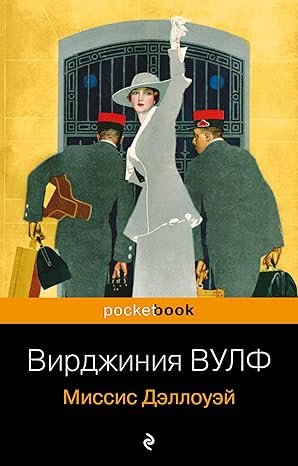
Миссис Дэллоуэй
24,00 ₾Вирджиния Вулф (1882-1941) – британская писательница, яркая представительница модернистского направления в литературе, входившая в знаменитый кружок Блумсбери, автор романов, ставших классикой “потока сознания”. В её произведениях раскрывается история английского модернизма с его любовью к слову, его звучанию, смысловым оттенкам и ассоциациям. Она экспериментировала с потоком сознания и выделяла не только психологический, но и эмоциональный компонент в поведении главных героев. Романы Вулф устремлены к самой сердцевине жизни, к теплу и трепету, воздуху и свету и сообщают это острое чувство жизни читателю.
“Миссис Дэллоуэй” – мастерский роман Вирджинии Вулф, в котором прошлое, настоящее и будущее сливаются в один знаменательный день в июне 1923 года.

Собака Баскервилей
14,00 ₾История, леденящая кровь, о таинственной собаке, преследующей род Баскервилей, стала одной из визитных карточек знаменитого сыщика Шерлока Холмса и одним из самых популярных произведений Артура Конан Дойла. Владелец Баскервиль-холла сэр Чарльз Баскервиль умирает при загадочных обстоятельствах. Доктор Мортимер, сосед и друг сэра Чарльза, обращается за советом к Шерлоку Холмсу, чтобы убереччь от гибели его племянника, последнего из древнего рода Баскервилей.

Разлука весной
20,00 ₾ Этот роман был очень дорог Агате Кристи – возможно, как никакой другой. Она всегда выделяла его среди сонма своих произведений: «Здесь я писала в точности так, как хотела писать, а для художника нет удовольствия выше этого»…
Внезапная задержка в пути, дикая арабская пустыня и богом забытая гостиница… Леди Джоан не остается ничего, кроме как прокручивать в голове всю прожитую жизнь. И постепенно она осознала, кем является на самом деле. Столкнулась с невыносимой правдой, о которой всегда подозревала, но страшилась признать…

Неоконченный портрет
20,00 ₾Этот остров – райский уголок для живописца. С утра художник решил подняться в горы и увидел незнакомку, горящую в личном аду посреди рая – она решила покончить жизнь самоубийством. Теперь, чтобы освободить женщину от ее инфернальных стремлений, он должен воссоздать всю ее жизнь от начала до конца – и нанести на картину прошлого финальный мазок…

Революция муравьев (#3)
29,00 ₾Жюли Пинсон, девятнадцатилетняя лицеистка, которая уже третий год не может сдать выпускной экзамен, находит в лесу в пещере третий том «Энциклопедии относительного и абсолютного знания» Эдмонда Уэллса. Из нее она узнает о том, как сложен и необычен мир муравьев, как многому можно у них научиться. Тем временем особь номер 103 из Бел-о-Кана, муравьиного города, пытается понять людей. Что же произойдет, когда две цивилизации наконец услышат друг друга?