

რბილი

День муравья (#2)
27,00 ₾История о муравьях и людях становится еще запутаннее. Молодая муравьиная королева Шли-пу-ни, только что взошедшая на трон, мечтает отомстить пальцам – так муравьи называют людей – за убийство своей матери. Тем временем за пределами муравейника один за другим погибают химики, занимавшиеся разработкой яда против муравьев. За дело берутся детектив Жак Мелье и журналистка Летиция Уэллс, дочь Эдмонда Уэллса.

Таинственная история Билли Миллигана
23,00 ₾Билли просыпается и обнаруживает, что находится в тюремной камере. Ему сообщают, что он обвиняется в изнасиловании и ограблении. Билли потрясен: он ничего этого не делал! Последнее, что он помнит,— это как он стоит на крыше здания школы и хочет броситься вниз, потому что не может больше так жить. Ему говорят, что с тех пор прошло семь лет. Билли в ужасе: у него опять украли кусок жизни! Его спрашивают: что значит «украли кусок жизни»? И почему «опять»? Выходит, такое случается с ним не впервые? Но Билли не может ответить, потому что Билли ушел…
Перу Дэниела Киза принадлежит также одно из культовых произведений конца XX века — роман «Цветы для Элджернона», ставший знаковым явлением во многих странах.

Большая четверка
20,00 ₾В дом Эркюля Пуаро вламывается изможденный человек в выпачканном костюме. Он едва живой. Несколько капель коньяка приводят его в чувство. Человек пытается что-то объяснить, но сил его хватает лишь на то, чтобы несколько раз написать на листе бумаги большую цифру «4»…

Медленной шлюпкой в Китай
21,00 ₾«Медленной шлюпкой в Китай» — первая книга короткой прозы японского классика современной мировой литературы Харуки Мураками. «В ней представлена большая часть того, что можно назвать моим миром», — говорил об этой книге сам автор. Безумный стилистический фейерверк, пронзительная нежность, трагизм и юмор мировосприятия, романтический сюрреализм будущего автора «Хроник Заводной Птицы» и «Послемрака»

Хикори-дикори
20,00 ₾В студенческом общежитии начинают исчезать вещи… На первый взгляд, пропажи туфли, поваренной книги, рюкзака, лампочки – не предвещают ничего ужасного, но великий сыщик Эркюль Пуаро чувствует, что зло грядет. Да и детская считалка, давшая название роману, выглядит как предзнаменование…

Трагедия в трех актах
20,00 ₾Вечеринка на вилле знаменитого актера сэра Чарльза Картрайта, недавно завершившего свою театральную карьеру, собирает тринадцать гостей. Несчастливое число становится роковым для одного из них, пастора Баббингтона – он внезапно умирает, сделав глоток из своего бокала с коктейлем. Что это – несчастный случай или преднамеренное убийство? Великий сыщик Эркюль Пуаро, оказавшийся в числе гостей, берется за расследование. Однако химическая экспертиза показала, что в бокале умершего не содержалось никаких ядов. И, что еще более озадачивает Пуаро, нет совершенно никаких мотивов для убийства. Однако сыщик убежден: ни о каком несчастном случае не может быть и речи…

Партнеры по преступлению
20,00 ₾“Сладкая парочка” сыщиков – Томми и Таппенс Бересфорд – снова в деле. Им предстоит масса веселых и захватывающих приключений. К тому же, каждая глава этого ироничного детектива представляет собой пародию на рассказы о самых популярных литературных сыщиках в истории мирового детектива.
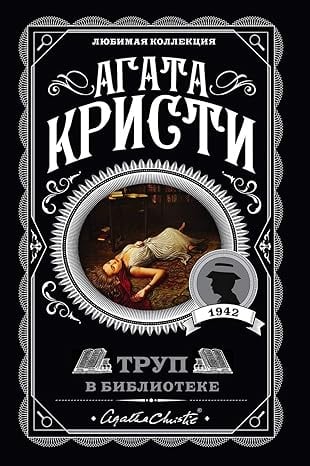
Труп в библиотеке
20,00 ₾Все было прекрасно, когда Долли Бантри проснулась у себя дома в тихой деревушке Сент-Мэри-Мид. Прекрасно – до тех пор, пока в комнате, где располагалась семейная библиотека, не было обнаружено тело молодой девушки. По словам врача, она была задушена вчерашним вечером до полуночи. При этом никто в доме не знал эту привлекательную блондинку. Так кто же она, и кто мог убить ее? Подозрение сразу пало на мужа Долли, полковника в отставке, имеющего репутацию волокиты. Тот клянется, что в жизни не видел эту девушку. Но как же она тогда оказалась в его библиотеке? Тогда Долли зовет на помощь свою давнюю подругу мисс Марпл, чтобы та нашла настоящего убийцу – или открыла страшную правду о муже…

Тайна семи циферблатов
20,00 ₾В замке Чимниз, арендованном миллионером Освальдом Кутом, собрались на уикенд гости. Однако праздник был безнадежно испорчен: один из приглашенных внезапно умер во сне, причем при весьма странных обстоятельствах: рядом с его телом кто-то выставил сразу семь будильников. А вскоре погиб и другой гость – красивый молодой человек. Перед смертью он успел прошептать: «Семь Циферблатов…». Расследовать загадочные убийства пришлось обитателям и гостям замка. Но вскоре к ним присоединился суперинтендант Баттл…

Ночь нежна
26,00 ₾«Ночь нежна» — удивительно тонкий и глубоко психологичный роман американского классика, который многие критики ставят даже выше «Великого Гэтсби», а сам автор называл «самым любимым своим произведением». И это неслучайно: книга получилась во многом автобиографичной, Фицджеральд описал в ней оборотную сторону своей внешне роскошной жизни с женой Зельдой. Вожделенная американская мечта, обернувшаяся подлинной трагедией. В историю моральной деградации талантливого врача-психиатра он вложил те боль и страдания, которые сам пережил в борьбе с шизофренией супруги…
Но это книга не о болезни или смерти – она о любви.

Загадочная история Бенджамина Баттона
34,00 ₾Фрэнсису Скотту Фицджеральду принадлежит, пожалуй, одна из ведущих сольных партий в оркестровой партитуре «века джаза». Писатель, ярче и беспристрастней которого вряд ли кто отразил безумную жизнь Америки 20-х годов, и сам был плотью от плоти той легендарной эпохи, его имя не сходило с уст современников и из сводок светских хроник. Его скандальная манера поведения повергала в ужас одних и вызывала восторг у других. Но эксцентричность и внешняя позолота канули в прошлое, и в настоящем остались его бессмертные книги.
В данный том вошли его лучшие рассказы, в том числе и «Загадочная история Бенджамина Баттона», по которой Дэвид Финчер в 2009 году снял одноименный нашумевший фильм с Брэдом Питтом в главной роли.

Мастер и Маргарита
33,00 ₾Великий и вечный роман писателя претерпел многочисленные запреты к изданию и гонения, не хуже чем судьба романа о Понтии Пилате самого Мастера. Впервые был издан в 1966 году с купюрами в журнальном варианте, а полный текст романа был опубликован только в 80-е годы ХХ века. До официальной публикации распространялся в перепечатанных вручную копиях и сразу приобрел невероятную популярность и любовь читателя. Феерическая сатира на быт и нравы Москвы 30-х годов, одновременно пронзительная история любви Мастера и Маргариты и вечная библейская тема борьбы добра со злом, роман о Понтии Пилате внутри романа – таковы далеко не все пласты этого гениального произведения Михаила Булгакова.

Таинственный мистер Кин
20,00 ₾Таинственный мистер Харли Кин появляется и исчезает внезапно. Недаром его имя так похоже на «Арлекин». Он всегда выступает другом влюбленных, но появление его ассоциируется со смертью. В эту книгу вошли двенадцать рассказов (мистических и не очень) о мистере Кине. Сама Агата Кристи считала этого загадочного Арлекина одним из любимых своих персонажей.

Джентльмен в Москве
38,00 ₾Некогда поэт, граф Александр Ростов в 1922-м попадает под трибунал как враг рабочего класса. Вместо высшей меры наказания графа отправляют в крайне необычную ссылку – в отель «Метрополь», который он не имеет права покидать. Совсем.
Владелец большого поместья, никогда в своей жизни не работавший, теперь граф Ростов должен приспосабливаться и выживать в новых условиях, наблюдая за самыми страшными, поворотными событиями в нашей истории. Постепенно Ростов осознает, что джентльмены бывшими не бывают.

Falsche Propheten
40,00 ₾Lautstark schwingen sich selbsternannte Tribunen des Volkes, esoterische »Querdenker« und autoritäre Demagogen zu Verteidigern der demokratischen Ordnung auf, deren Werte sie eigentlich ablehnen. Um Gefolgschaft zu organisieren, schüren sie Ängste vor drohendem Chaos und spinnen Verschwörungstheorien über anonyme Mächte, die das Schicksal der Nation bestimmen. Vorschläge zur Lösung komplexer gesellschaftlicher Probleme sind ihre Sache nicht. Vielmehr verlegen sie sich auf eine aggressive Rhetorik des Kampfes gegen »die Politiker«, »die Linken«, »die Flüchtlinge« und immer wieder: »die Juden«.

The Nurse’s Clinical Skills Pocketbook
50,00 ₾This pocket-sized book is an ideal reference for nursing students. It puts the facts at your fingertips, giving you immediate access to 50 different clinical procedures.
Handy checklists covering the things to consider before starting the procedure
Clear instructions guide you step-by-step through the skill
All fields of practice included to ensure your care is person-centred
Whether revising for an OSCE, preparing for a new clinical placement or looking for a clear description of how to perform a certain task, this book will become a trusted companion and daily reference as your practice experience steadily grows.

Psychology from An Empirical Standpoint
73,00 ₾Franz Brentano is one of the founding fathers of twentieth century philosophy, celebrated for introducing the concept of intentionality to philosophy as well as making significant contributions to ethics and logic. His work exerted great influence on major philosophers such as Edmund Husserl, but also philosophers travelling in the opposite direction, such Gottlob Frege. He counted Sigmund Freud amongst his students and Freud expressed great admiration for his teacher in several letters.
Psychology from an Empirical Standpoint is Brentano’s most important and brilliant work. It helped to establish psychology as a scientific discipline, but did so in a highly original and distinctive manner by arguing for a form of introspectionism. Brentano argued that consciousness is always unified and that the hallmark of the mind is that one’s thoughts are always directed towards something – his famous theory of ‘intentionality’ – arguments that have deep implications not just for philosophy but psychology, cognitive science and consciousness studies.
With a new foreword by Tim Crane.

Forensic Psychology
Original price was: 63,00 ₾.50,00 ₾Current price is: 50,00 ₾.This third edition of Forensic Psychology: The Basics continues to provide an accessible overview of the core topics and theories in this fascinating discipline.
The book provides an engaging discussion of core topics and theory in forensic psychology, alongside information about the role of a professional forensic psychologist. In addition to the established topics such as the psychology of crime and criminality, police psychology, victimology and correctional psychology, this edition has been fully updated to include coverage of:
The impact of labelling offenders
The effectiveness of new assessment
Rehabilitation programmes
Special topics such as terrorism, the effects of war on ex-service personnel and offender profiling have been updated, and further attention is paid to recent changes to legislation in the UK and other countries. The book also explores the importance of nature and nurture for people who commit offences, with a special focus on how this is relevant to the development of psychopathic tendencies.
This invaluable guide is essential reading for students across a range of disciplines, including psychology, criminology and law, as well as general readers seeking a concise and jargon-free introduction to forensic psychology.

პარადაისი
16,90 ₾„პარადაისი“ ერთ-ერთი ყველაზე საინტერესო თანამედროვე ავტორის მიერ შექმნილი შემზარავი პროზის ნაკადია. ფერნანდა მელჩორი იკვლევს მექსიკური საზოგადოების სახიფათო სიმყიფეს, რომელსაც მუდმივად ემუქრება რასობრივი, კლასობრივი და ძალადობის პრობლემები.
მდიდრულ დასახლებაში ორი თინეიჯერი საღამოობით ჩუმ-ჩუმად თვრება. ფრანკო ანდრადე მარტოსული, ჭარბწონიანი და პორნოზე დამოკიდებულია. შეპყრობილია მეზობლის შეცდენის ფანტაზიებით. მეზობელი მომხიბლავი ქალია, პარადაისში ქმარშვილთან ერთად ცხოვრობს.
დაქანცულ პოლოს კი უნდა მებაღეობას შეეშვას და თავი დააღწიოს აუტანელ დედასა და ნარკოტრაფიკერების მიერ დაპყრობილ
სოფელს. ორივეს უწევს გაიაზროს, რომ ვერ მიიღებენ, რაც მათ ჰგონიათ, რომ ეკუთვნით, და მზაკვრულ გეგმას დასახავენ.
„ლაკონიურობის შედევრი… „პარადაისი“
ლაბირინთული მონოლოგია თანამედროვე თინეიჯერის ბანალურ ძალადობრიობაზე. “
ვირჟინი დეპანტი
მწერალი და ჟურნალისტი ფერნანდა მელჩორი 1986 წელს მექსიკის ქალაქ ვერაკრუსში, კრიმინალითა და ძალადობით გაჟღენთილ გარემოში დაიბადა.
ამ ფაქტმა მწერლის მიერ ადამიანური ძალადობის კვლევა განაპირობა, რასაც როგორც მსხვერპლის, ისე დამნაშავის პერსპექტივიდანაც უდგება.

თამაში გრძელდება
20,90 ₾„თამაში გრძელდება“ – მერაია უაიეთი განქორწინებული და მეგობრებისგან იზოლირებული ახალგაზრდა ქალია, რომელიც სრულიად დაცლილია სურვილებისა და მოტივაციისგან. იგი იმ თაობის ტიპური განსახიერებაა, რომელიც ჭარბმა თავისუფლებამ დააავადა და ემოციებისგან განძარცვა.
ჯოან დიდიონის ეს პატარა რომანი გვიანდელი 60-იანი წლების ამერიკული ცხოვრების წესს აშიშვლებს და მთელი თაობის განწყობას წარმოგვიდგენს: საზოგადოება გაბეზრებულია,
მოწყენილია, იმედგაცრუებულია, რაზეც ავტორი მკითხველს დაუნდობლად მოუთხრობს.
მოქმედება ვითარდება კარგისა და ცუდის მიჯნაზე – ჰოლივუდში, ლას ვეგასსა და მოჰავეს უდაბნოს მწირ ხრიოკებში, რაც წიგნის ხასიათსაც ძერწავს და მონათხრობსაც ჰმატებს სიმძაფრეს. გამოსვლიდან ამდენი წლის შემდეგაც წიგნი უკიდურესად შეგრძნებითია, რაც მერაია უაიეთის ამბავსა და კრიზისში აღმოჩენილი ნაღები საზოგადოების ჯურღმულში გვექაჩება და გვითრევს.
„რატომაა იაგო ბოროტი? – იკითხავს ზოგი.
მე ამ კითხვას არასოდეს ვსვამ“

წყვდიადის მარცხენა ხელი
23,90 ₾გენლი აი გეთენზე ელჩად წარგზავნილი ადამიანია, რომელმაც ამ ყინულოვანი პლანეტის “ეკუმენში”, დიდ გალაქტიკურ გაერთიანებაში გაწევრიანება უნდა უზრუნველყოს. ახალ კულტურასთან კავშირის გაბმას მისი უცხოპლანეტელობა ართულებს — გეთენელებს ფიქსირებული გენდერული იდენტობა არ გააჩნიათ და გარეგან სქესობრივ მახასიათებლებსაც თვის განმავლობაში მხოლოდ რამდენიმე დღით იძენენ. გენლი გეთენზე ჩაფრენისთანავე გაეხვევა პოლიტიკოსებისა და მეფეების მიერ გაბმული ინტრიგების სახიფათო ქსელში და მოუწევს იმის სწავლა, როგორ გადააბიჯოს ამ ფუნდამენტურ განსხვავებებს… როგორ ენდოს გეთენელ ესტრავენს, რომელიც შესაძლოა ამ არასტუმართმოყვარე მიწაზე მისი ერთადერთი მოკავშირეც კი იყოს.
ფსიქოლოგიის, სოციოლოგიისა და უცხო პლანეტაზე ადამიანური ემოციების კვლევაში სიღრმისეული წიაღსვლებით, “წყვდიადის მარცხენა” ხელი ამაყად იკავებს კუთვნილ ადგილს ინტელექტუალური სამეცნიერო ფანტასტიკის მონუმენტურ ნაშრომებს შორის.

შეხვედრა რამასთან
23,90 ₾2131 წელს მზის სისტემაში უზარმაზარი ობიექტი შემოიჭრა, რომელიც მეცნიერებს თავიდან პლანეტების მკვლელი ასტეროიდი ეგონათ. მცირეხნიანი პანიკის შემდეგ, დაკვირვებამ გასაოცარ საიდუმლოს ახადა ფარდა: ობიექტი, მეტსახელად რამა, ბუნებრივი წარმოშობის სულაც არ იყო, არამედ გიგანტურ მეტალის ცილინდრს წარმოადგენდა, რომელიც უთუოდ მოაზროვნე არსებების მიერ უნდა ყოფილიყო აგებული. მაგრამ ვინ იყვნენ ეს უძველესი ოსტატები? ან რა მიზნით გამოუშვეს რამა მზისკენ?
ამ შეკითხვებზე პასუხის პოვნა მეთაური ნორტონის და მისი “ენდევორის” ეკიპაჟის უმთავრეს ამოცანას წარმოადგენს. დრო კი არ ითმენს, მზესთან ჩაქროლების შემდეგ რამა ვარსკვლავთშორის უსასრულეთში ჩაიკარგება… საიდუმლოებები კი, რომლებსაც ის ათასწლეულებია დარაჯობს, კაცობრიობას სამარადჟამოდ შეცვლას უქადის.
სერ ართურ ჩარლზ კლარკი, ერთ-ერთი ყველაზე ცნობილი და გავლენიანი მწერალია სამეცნიერო ფანტასტიკის ჟანრში. იგი იყო გამომგონებელი, წყალქვეშა სამყაროს მკვლევარი, ფუტურისტი და მეცნიერების პოპულარიზატორი.


რაჭის გზებზე
11,60 ₾წიგნში წარმოდგენილია ნარკვევები რაჭის ისტორიული ძეგლების, ბუნებრივი ღირსშესანიშნაობების, სოფლების, წარსულის მოვლენებისა და ადამიანების შესახებ.

მოთხრობები
12,50 ₾დიანა მეტონიძე – მწერალი, ისტორიკოსი, ლიტერატურულ ჟურნალ “ისინდის” რედკოლეგიის წევრი. გამოცემული აქვს ისტორიული რომანი “ნაწვიმარი ჟამი” სისტემატურად იბეჭდება ლიტერატურულ პერიოდიკაში : “განთიადი”, “ისინდი”, “ოლე” და ა.შ

ცეცხლი და მახვილი კავკასიაში
31,60 ₾ლუიჯი ვილარი (1876-1959) იყო იტალიელი ისტორიკოსი, დიპლომატი, ჟურნალისტი და მოგზაური. მან 1905 წელს იმოგზაურა კავკასიაში, რომელიც იმ დროს რევოლუციასა და ეთნიკურ დაპირისპირებას მოეცვა. ვილარი ჩავიდა გურიის რესპუბლიკაში, კარგა ხანს დარჩა ბათუმში, ქუთაისსა და ტფილისში, მოიარა ბაქო, ერივანი და ნახიჩევანიც. ყველგან ხვდებოდა მაღალჩინოსნებსაც და უბრალო ხალხსაც, ესაუბრებოდა სამხედროებს, პოლიციელებს, სასულიერო პირებსა თუ მეწარმეებს, აკვირდებოდა ხალხის ყოფასა და წეს-ჩვეულებებს. “ცეცხლი და მახვილი კავკასიაში” პირველად ითარგმნა ქართულად და საინტერესო იქნება ამ ეპოქით დაინტერესებული ყველა მკითხველისათვის.
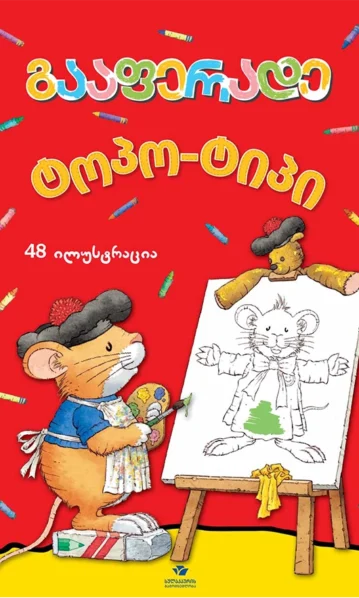
გააფერადე ტოპო-ტიპი
8,90 ₾მოიმარჯვე ფერადი ფანქრები ან საღებავები და შენი ხელით შექმენი თაგუნია ტიპის ფერადი სამყარო.
ტოპო-ტიპი პატარა ონავარი თაგუნაა. მისი ძალიან სახალისო და ფერადი ამბები 5 წიგნშია თავმოყრილი და არაერთი ბავშვის საყვარელი საკითხავია.

გაჭენებული ცხენები
27,90 ₾„გაჭენებული ცხენები“ უმნიშვნელოვანესი იაპონელი ავტორის, იუკიო მიშიმას (1925-1970) ტეტრალოგიის მეორე რომანია. სიუჟეტი ვითარდება 1930-იანი წლების იაპონიაში და მოგვითხრობს ისაო ინუმაზე, გულმხურვალე და იდეალისტ ახალგაზრდაზე, რომელიც შეპყრობილია იმპერატორის ძალაუფლების აღდგენითა და იაპონიის დასავლური გავლენებისგან განწმენდის იდეით. ისაო ღრმად არის შთაგონებული სამურაის ეთიკითა და წარსულის სულიერებით. ის სათავეში უდგას შეთქმულებას, რომლის მიზანიც მთავრობის დამხობა და კორუმპირებული ბიზნესლიდერების დასჯაა.
რომანი ასახავს პატივისცემის, ერთგულების, მოდერნიზაციასა და ტრადიციას შორის კონფლიქტის თემებს. მიშიმა ამ რომანში იკვლევს ინდივიდუალურ იდეალებსა და საზოგადოებრივ რეალობას შორის ბრძოლას, ხაზს უსვამს ქმედებასა და ფიქრს შორის არსებულ კონფლიქტსა და მის ტრაგიკულ შედეგებს.
„გაჭენებული ცხენები“ დამაჯერებლად აღწერს სიკვდილის მშვენიერებას, მის არსს, მის მორალურ, რელიგიურ თუ პატრიოტულ მოტივებს. რომანში ნათლად იკვეთება წმინდად იაპონური ესთეტიკა გმირობისა, თუმცა, ამავდროულად, ცხადი ხდება სიკვდილ-სიცოცხლის, გმირობისა და ღალატის, ღირსებისა და კომპრომისის ზოგადსაკაცობრიო ხასიათი.

დედისერთა
16,90 ₾მსოფლიოში ყოველდღიურად უამრავი ბავშვი იბადება ნევროლოგიური დაავადებებით, რაც მათ დანარჩენებისგან ძალიან განასხვავებს. ოჯახები ამ ფაქტს ხშირად აღიქვამენ უბედურებად, რომელიც სამუდამო დაღს დაასვამს მათ ცხოვრებას.
გვადალუპე ნეტელის რომანი „დედისერთა“ ორი ახალგაზრდა ქალის ამბავია, რომელთაგან ერთი – ლაურა გადაჭრით ამბობს უარს დედობაზე, ხოლო მის მეგობარ ალინას სულ უფრო უმძაფრდება სურვილი, რადაც უნდა დაუჯდეს, დაფეხმძიმდეს და შვილი გააჩინოს.
როდესაც ექიმების პროგნოზის მიუხედავად, ალინას ქალიშვილი დაბადებისთანავე არ გარდაიცვლება, ხოლო ლაურა მეზობლის შვილზე იწყებს ზრუნვას, ორივე ქალის ცხოვრება რადიკალურად იცვლება.
მწერლის სურვილია, ეს რომანი დაგვეხმაროს იმის გაცნობიერებაში, რომ ადამიანების სხვადასხვაგვარობა მშვენიერი და საინტერესოა და არ არსებობს განსხვავებულის მიმართ შიშის ან მისი უარყოფის საფუძველი.
რომანი „დედისერთა“ 2023 წელს ბუკერის საერთაშორისო პრემიის მოკლე სიაში მოხვდა.

ღამე ჩილეში
13,90 ₾2000 წელს გამოქვეყნებული „ღამე ჩილეში“, რომელშიც მოქმედება ერთი ღამის განმავლობაში ვითარდება, ოპუს დეის წევრისა და ლიტერატურის კრიტიკოსის, პადრე სებასტიან ურუტია ლაკრუას შემაძრწუნებელი მონოლოგია. ის ფიქრობს, რომ კვდება. ციებ-ცხელების დროს მეხსიერებაში ამოუტივტივდება ცხოვრების მნიშვნელოვანი მოვლენები და როგორც რეალური, ისე წარმოსახვითი პერსონაჟები ურჩხულებად ევლინებიან. მისი მოგონებები მე-20 საუკუნის შუა ხანების ჩილეს ისტორიასა და ლიტერატურას ერწყმის.
ნაწარმოები ერთმანეთისგან სრულიად განსხვავებული ორი აბზაცისგან შედგება: პირველი აბზაცი პადრე ურუტია ლაკრუას მონოლოგია, მეორე კი მხოლოდ ერთი სტრიქონია.
ბოლანიოს სიტყვებით, მან „ღამე ჩილეში“ შეუჩერებლად დაწერა და, სტილის თვალსაზრისით, ეს იყო ყველაზე დიდი გამოწვევა, რომლის წინაშეც ოდესმე აღმოჩენილა.

საოცრებათა ქვეყანა და სამყაროს დასასრული
30,90 ₾ორი სხვადასხვა სამყაროს ჰარმონიული შეთავსება, თავიდან სრულიად ურთიერთსაწინააღმდეგოდ რომ გეჩვენება, სიუჟეტური ხაზის განვითარებას ეხმარება. ავტორი მშვიდად გვპასუხობს ბუნებრივად გაჩენილ შეკითხვებზე: „ეს რა არის?“ „რატომ?“ „რას გულისხმობს?“ რომელიღაც მომენტში რომანის დასასრული ისეთი სისწრაფით ახლოვდება, რომ სუნთქვა გეკვრის. ფინალი, როგორც ყოველთვის, უამრავ კითხვას ტოვებს, და მხოლოდ ორიოდე მკაფიო პასუხს იძლევა.
ისე, სულ ორი სიტყვითაც შეიძლება ამ რომანის დახასიათება – არარეალურის რეალურობა! იქნებ სწორედ ეს ხიბლავს ჰარუკი მურაკამის მკითხველს!..
1978 წელს 29 წლის ჰარუკი მურაკამი ჯაზის ბარის მფლობელი იყო ტოკიოს ცენტრში. აპრილის ერთ დღეს, ბეისბოლის თამაშის ყურებისას, რომანის დაწერის მუზა ეწვია და მისი ცხოვრებაც შეიცვალა. პირველმა რომანმა, „ყური მიუგდე ქარის სიმღერას“, დებიუტანტი მწერლების კონკურსში გაიმარჯვა და მომდევნო წელს გამოქვეყნდა კიდეც. თუმცა მურაკამის პოპულარობა 1987 წელს „ნორვეგიული ტყის“ გამოცემამ განსაზღვრა. ნაწარმოებმა ის უბრალო მწერლიდან ფენომენად აქცია, მისი ყველა წიგნი ბესტსელერი გახდა და 50-ზე მეტ ენაზე ითარგმნა.
ჰარუკი მურაკამი დღეისათვის ერთ-ერთი ყველაზე
აღიარებული და პოპულარული მწერალია.
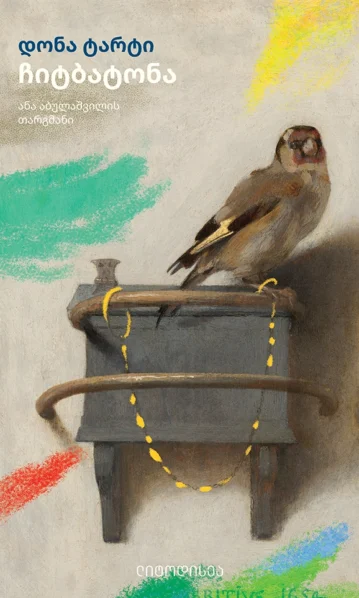
ჩიტბატონა
49,90 ₾13 წლის მოზარდი თეო დეკერი დედასთან ერთად ნიუ-იორკის მეტროპოლიტენ მუზეუმში ხელოვნების უდიდეს ნიმუშებს ათვალიერებს. ამ დროს ტერორისტები ბომბს აფეთქებენ. დედა იღუპება, თვითონ კი სასწაულის ძალით გადაურჩება ტერაქტს. როდესაც აფეთქების შემდეგ გონს მოდის, თავის გვერდით აღმოაჩენს მომაკვდავ მოხუცს, რომელიც აძლევს ბეჭედს და უბარებს, რომ უიშვიათესი სურათი, ძველი ჰოლანდიელი ოსტატის, კარელ ფაბრიციუსის შედევრი „ჩიტბატონა“, მუზეუმიდან გაიტანოს. მამისგან მიტოვებული თეო, სრულიად მარტოდმარტო, ნიუ-იორკში ხან მდიდარ ოჯახს აფარებს თავს, ხან ავეჯის რესტავრატორსა და ანტიკვარს, რამდენიმე წლის განმავლობაში დაეხეტება ლას-ვეგასსა და ამსტერდამში და ერთადერთ ნუგეშად რჩება მუზეუმიდან მოპარული სურათი, რომელიც წყევლაა, ფსკერისაკენ რომ მიაქანებს, და, ამავე დროს, იმედის სუსტი ძაფიცაა, რომელიც სინათლისკენ ეწევა…
დონა ტარტი (დ. 1963 წ.) ამერიკელი მწერალი და ესეისტია. მისი რომანები თარგმნილია მსოფლიოს მრავალ ენაზე. მათგან საუკეთესო, „ჩიტბატონა“, 2013 წელს გამოქვეყნდა და 2014 წელს პულიცერის პრემია დაიმსახურა. იმავე წელს ჟურნალმა „ტაიმმა“ დონა ტარტი „მსოფლიოს ასი ყველაზე გავლენიანი ადამიანის“ სიაში შეიყვანა. 2019 წელს გამოვიდა ამ წიგნის მიხედვით გადაღებული ფილმი.

მეორე სქესი – სინამდვილე და მითები (წიგნი პირველი)
29,90 ₾მკითხველი ქართულ ენაზე პირველად გაეცნობა წიგნს, რომელსაც ფემინიზმის ბიბლიას უწოდებენ. „მეორე სქესმა“ ადამიანთა მსოფლმხედველობა სრულიად შეცვალა. როგორ მოხდა ადამიანთა ერთობის უთანასწორო გაყოფა? როდის და რა გარემოებათა გავლენით იქცა ქალი „მეორე სქესად“, მამაკაცზე დაქვემდებარებულად? რას მოგვითხრობს ისტორია, მითოლოგია ანდა სოციალური მეცნიერებანი „სუსტი“ სქესის დრამატულ თავგადასავალსა და ქალთა მძიმე ხვედრზე?
ХХ საუკუნის შუა ხანებში სიმონ დე ბოვუარის „მეორე სქესმა“ ნამდვილი ინტელექტუალური „მიწისძვრა“ გამოიწვია. კრიტიკოსები აღიარებდნენ, რომ ამის შემდეგ კაცობრიობა ძველებურად ვეღარ იცხოვრებდა. ქალის ისტორიასა და მენტალურ არსს ავტორი ბიოლოგიის, ფსიქოანალიზის, მატერიალიზმის, ანთროპოლოგიისა თუ ფილოსოფიის ჭრილში განიხილავს. მოგვითხრობს, უძველესი ეპოქებიდან დღემდე რა როლი ერგებოდა ქალებს საზოგადოებაში. ეს წიგნი, გარკვეულწილად, ჩაგვრის, ცრურწმენებისა და ყალბი ფასეულობების, ზოგადსაკაცობრიო შეცდომებისა და საბედისწერო ცვლილებების ისტორიაა. ბოვუარი ასაბუთებს, რომ ქალი და მამაკაცი უპირობოდ თანასწორნი არიან.
სიმონ დე ბოვუარი (1908-1986) მწერალი, ფილოსოფოსი, ესეისტი, ნეოფემინისტი, მეათე ქალი იყო, რომელმაც სორბონის უნივერსიტეტის დიპლომი მიიღო, სადაც მათემატიკას, ფილოსოფიას, ისტორიას, ლათინურსა და ლიტერატურას სწავლობდა. ის მთელი ცხოვრება მცდარი სოციალური მოდელების დამსხვრევას ცდილობდა და დესპოტურ პატრიარქალურ საზოგადოებას ებრძოდა. ბოვუარი სხვადასხვა უნივერსიტეტში ასწავლიდა, თუმცა თავისი შეურიგებელი შეხედულებების გამო სამსახურიდან ხშირად ათავისუფლებდნენ. „მეორე სქესი“ ორმოცზე მეტ ენაზე ითარგმნა და მსოფლიო კლასიკად იქცა.

სპილოს მოგზაურობა
12,90 ₾„სპილოს მოგზაურობა“ სარამაგუს ერთ-ერთი ბოლო რომანია. ავტორი ევროპაში სპილოს პირველად გამოჩენის ამბავს აღწერს. ის პორტუგალიის მეფემ ავსტრიის ერცჰერცოგს საქორწინო საჩუქრად მიართვა.
ლისაბონიდან ვენამდე გზა რთულია და გრძელი. მოგზაურობა სავსეა თავგადასავლებით. სპილო სულეიმანი და მისი მომვლელი გზად არაერთ უცნაურ ადამიანს გადაეყრებიან.
ევროპაში სპილო აქამდე ჯერ არავის ენახა. სულეიმანის (სოლომონის) გამოჩენამ ხალხი ისე აღაფრთოვანა, რომ ეს გაოცება ისტორიულმა წყაროებმაც შემოინახა.
სარამაგუ ჩვეული სტილით მოგვითხრობს ამბავს. მისი მსუბუქი იუმორი და ირონია მოგზაურებას მეტად საინტერესოს ხდის.

ბრმა მკვლელი
34,95 ₾რომანისთვის „ბრმა მკვლელი“ კანადელ მწერალ მარგარეტ ეტვუდს (1939) 2000 წელს ბუკერის პრემია მიენიჭა, ჟურნალმა „თაიმმა“ კი წიგნი იმავე წლის საუკეთესო რომანად გამოაცხადა და 100 საუკეთესო ინგლისურენოვანი ნაწარმოების სიაში შეიტანა. ეს სქელტანიანი წიგნი, რომელიც ოჯახური საგის, სამეცნიერო ფანტასტიკის, ისტორიული რომანის, სასიყვარულო ისტორიისა და დეტექტივის ელემენტებისგან შედგება, ჩინურ ყუთს ჰგავს: დების – აირის და ლორა ჩეიზების ამბავს თავად აირისი მოგვითხრობს, თუმცა რომან „ბრმა მკვლელში“ ამავე სახელწოდების კიდევ ერთი რომანია…