

რბილი

სირცხვილი
21,95 ₾ჯონ მაქსველ კუტზეე (1940) თანამედროვეობის ერთ-ერთი ყველაზე მნიშვნელოვანი ინგლისურენოვანი რომანისტია. მწერალი ბუკერის პრემიის ისტორიაში პირველი ავტორია, რომელსაც ეს ჯილდო ორჯერ გადასცეს. მეორე ბუკერი კუტზეეს სწორედ 1999 წელს გამოქვეყნებულ რომან „სირცხვილისთვის“ მიენიჭა. 2003 წელს კი მწერალი ნობელის პრემიის ლაურეატი გახდა.
წიგნის მთავარი გმირი კეიპტაუნის უნივერსიტეტის პროფესორი დევიდ ლურია, რომლის ცხოვრებაც თავდაყირა დგება მას შემდეგ, რაც სტუდენტ გოგონასთან მისი სასიყვარულო ურთიერთობის ამბავი მჟღავნდება.

სუნამო
21,95 ₾„სუნამო“ პირველად 1985 წელს შვეიცარიაში გამოიცა. წიგნი რამდენიმე ათეულ ენაზეა ნათარგმნი და თანამედროვე გერმანულენოვან ლიტერატურაში ერთ-ერთი ყველაზე ცნობილი რომანია. მოქმედება მეთვრამეტე საუკუნის საფრანგეთში ვითარდება. რომანის მთავარი გმირი, ჟან-ბატისტ გრენუი, უცნაური, ყველასგან გამორჩეული ადამიანია. იგი გამძაფრებული ყნოსვითაა დაჯილდოებული. მას შეუძლია, ისეთი სურნელიც კი შეიგრძნოს, რომელიც ჩვეულებრივი ადამიანისთვის შეუმჩნეველია და, შესაბამისად, არც სახელი აქვს. ნებისმიერი არომატი მისთვის თანაბრად საინტერესოა და გრენუიც გამძაფრებული ინტერესით შეისწავლის მათ. ეს არის სრულყოფილი სუნამოს შექმნისა და ძალაუფლების ვნებით შეპყრობილი გენიალური პარფიუმერის ისტორია, რომელიც, საბოლოოდ, სწორედ ამ სრულყოფილების მსხვერპლი ხდება.

პროტესტანტული ეთიკა და კაპიტალისტური სულისკვეთება
17,95 ₾გერმანელი სოციოლოგის მაქს ვებერის (1864-1920) „პროტესტანტული ეთიკა და კაპიტალისტური სულისკვეთება“ 1905 წელს გამოიცა და რელიგიური სოციოლოგიის ფუძემდებლურ ნაშრომად არის მიჩნეული. ვებერი იკვლევს და ცდილობს, პასუხი გასცეს კითხვას: რატომ განვითარდა მოდერნული კულტურა დასავლეთ ევროპაში და არა, მაგალითად, ჩინეთსა და ინდოეთში და როგორ ყალიბდებოდა შრომის ეთიკა საუკუნეების განმავლობაში. ამ კითხვაზე პასუხს ის დასავლურ რაციონალიზმში ეძებს და შესაბამისად, დასავლური რაციონალური აზროვნების თავისებურებებს იკვლევს. ვებერის თვალსაზრისით, პროტესტანტულ ეთიკასა და კაპიტალიზმს შორის მჭიდრო კავშირია. პროტესტანტული, შესაბამისად, კალვინისტური მხოფლმხედველობა და კაპიტალის დაგროვების კაპიტალისტური პრინციპი, ისევე როგორც მოგების რეინვესტიცია, ინდუსტრიალიზაციის საფუძვლად ჩამოყალიბდა.
ეკონომიკის მოდერნულ ეთოსსა და ასკეტური პროტესტანტიზმის რაციონალურ ეთიკას შორის კავშირის კვლევა ამ კითხვაზე პასუხის გაცემის მცდელობაა. ავტორი ამტკიცებს, რომ კაპიტალის მფლობელებს, უმეტესად, პროტესტანტები წარმოადგენდნენ, კათოლიკეები კი, რომლებიც ჰუმანიტარულ განათლებას ანიჭებდნენ უპირატესობას, გერმანიის შრომით საქმიანობაში ნაკლებად იღებდნენ მონაწილეობას. ავტორის მიზანი კულტურის ყოვლისმომცველი ანალიზი არ გახლავთ, მისი კვლევის საგანი გარკვეული რელიგიური და ეკონომიკური პირობების თანხვედრაა.

მორალური წერილები ლუკილიუსს
17,95 ₾„მორალური წერილები ლუკილიუსს“ ცნობილი რომაელი ფილოსოფოსის, პოეტის, სახელმწიფო მოღვაწის, სტოიციზმის ერთ-ერთი გამორჩეული წარმომადგენლის, ლუციუს ანეუს სენეკას (ძვ. წ. 4 – ახ. წ. 65) ნაშრომია. რომის იმპერიის ცნობილი პოეტისა და სახელმწიფო მოღვაწის, ლუკილიუს უმცროსისადმი გაგზავნილი წერილები ზნეობის საკითხებს ეხება. ავტორი მსჯელობს მეგობრობის, კეთილშობილების, თავისუფლების, სიკვდილ-სიცოცხლის შესახებ; გვთავაზობს რჩევებს, როგორ უნდა იცხოვროს ადამიანმა; ხსნის, რა არის ფილოსოფია და რას მატებს ის კაცთა მოდგმას.

სამი ქალი
16,95 ₾რობერტ მუზილი (1880 – 1942) იმ მწერალთა რიცხვს არ ეკუთვნოდა, რომლებიც ზურგს აქცევენ რეალურ სამყაროს წარმოსახვითის გულისთვის. მწერლის მიზანი არასდროს ყოფილა გამაბრუებელი, ლამაზი ფიქციის შექმნა, მკითხველს მახინჯ სინამდვილეს რომ გადაავიწყებდა. პირიქით, მუზილი თვლიდა, რომ ლიტერატურა ადამიანთა სულიერ განვითარებას უნდა ემსახურებოდეს.

უხილავი ქალაქები
16,95 ₾იტალო კალვინოს (1923 – 1985) „უხილავი ქალაქები“ ცნობილი პოსტმოდერნისტული ნაწარმოებია, რომელშიც გადმოცემულია მარკო პოლოს წარმოსახვითი საუბრები ყუბილაი ყაენთან. სახელგანთქმული მოგზაური უამრავ ზღაპრულ მხარეს აღუწერს ყაენს და ქმნის ფანტასტიკურ სურათებს უცნაური ქალაქებისა, სადაც ქუჩები კალითაა მოკირწყლული, შენობებს ვერცხლის გუმბათები ამშვენებს, სასახლეებს კი ზღვის ნიჟარებით ინკრუსტირებული ხვეული კიბეები აქვს, სადაც გარეგნობითა თუ ქცევით უცნაური ადამიანები ცხოვრობენ, თუმცა თვისებებით ჩვეულებრივი ადამიანებისაგან არ განსხვავდებიან.

გაცამტვერება
25,90 ₾2022 წლის იანვარში, „სეროტონინის“ გამოსვლიდან სამი წლის შემდეგ, მიშელ უელბეკი მერვე რომანით დაბრუნდა. და ალბათ ესაა მწერლის ყველაზე დახვეწილი, მელანქოლიური და მგრძნობიარე რომანი.
მოქმედება უახლოეს მომავალში ხდება: 2026 წელია, მომდევნო წელს საფრანგეთში საპრეზიდენტო არჩევნები უნდა ჩატარდეს, მაგრამ მოქმედი პრეზიდენტი კენჭს ვეღარ იყრის, რადგან ორი საპრეზიდენტო ვადა უკვე ამოწურული აქვს. ამიტომ ის უნდა შეცვალოს ადამიანმა, რომელსაც სრულიად ენდობა და თანაც, სამომავლოდ, თანამდებობაზე დასაბრუნებლად პრობლემას არ შეუქმნის. ამ შინაურ პოლიტიკურ დაძაბულობას ერთვის ტერორისტული თავდასხმები მსოფლიოს სხვადასხვა წერტილში და ინტერნეტში გავრცელებული უცნაური ვიდეოები, მათ შორის – ყალბიც, თუმცა შემაშფოთებელი, რადგან საფრანგეთის ეკონომიკის მინისტრის თავის მოკვეთას ასახავს.
როდესაც სამყაროში ასეთი ქაოსია, როდესაც ავადმყოფობა და სიკვდილი სულ უფრო ახლოსაა, ადამიანს რჩება მხოლოდ ოჯახი, ახლობელი ადამიანების თანადგომა და სიყვარული.
ესაა მიშელ უელბეკის ყველაზე დახვეწილი, მელანქოლიური და მგრძნობიარე რომანი, რომელიც მკითხველს სიყვარულის შესაძლებლობაში დაარწმუნებს.

ჩემი დასვენებისა და განტვირთვის წელიწადი
19,90 ₾გამხდარი, ლამაზი, ქერა, მდიდარი გოგო ზამთრის ძილისთვის ემზადება.
აბები, კაფსულები, დივანი, ვიდეომაგნიტოფონი და 80-იანი წლების კინო გოგოს ზამთრის ძილისთვის ამზადებენ.
ყურებმადე გაკრეჭილი ვუპი გოლდბერგი გოგოს ხელს ჩასჭიდებს და იმ ფანჯრის წინ აყენებს, საიდანაც ყველას დამავიწყებელი, ყველაფრის წამშლელი და ცხოვრების გადატვირთვისთვის აუცილებელი ვარდნა უნდა დაიწყოს.
ვარდნა იწყება, მაგრამ ეს სულ სხვა გოგოა, სულ სხვა ფანჯარა და მიზეზიც განსხვავებულია. თუმცა, სწორედ, ეს ვარდნა იქცევა ზამთრის ძილისგან გამორკვევისა და სრული განახლებისთვის გაღებულ მსხვერპლად.
ბუკერის პრემიაზე ნომინირებული ოტესა მოშფეგი არა მხოლოდ ამერიკის, არამედ მთელი მსოფლიოსთვისაც გარდამტეხი მოვლენის კვალდაკვალ მიუყვება წარსულის ტყვე ადამიანის ცხოვრების ერთ წელიწადს, რომელიც ხსნას მხოლოდ მძლავრ შეჯახებაში, აფეთქებაში, სრულ განადგურებასა და ფერფლიდან აღდგენაში ხედავს.

5 დოგმენი რწყილთა ბატონი
14,90 ₾ყველა გიჟდება დოგმენზე!
მსოფლიოში ცნობილი გამომძიებელი ნახევრად ძაღლი, ნახევრად ადამიანი, დოგმენი ნამდვილი გმირია!
დეივ პილკის ბესტსელერი კომიქსები ნებისმიერი ასაკის მკითხველს ხიბლავს და აფიქრებს ისეთ თემებზე, როგორებიცაა სიკეთე, თავდადება და საქმისადმი ერთგულება.

თანმხლები მუსიკა
12,95 ₾“ფრანსუაზ საგანი — მეოცე საუკუნის ფრანგი ნოველისტი, რომანისტი და დრამატურგი — 1935 წლის 21 ივნისს ქალაქ კაჟარკში, ბურჟუაზიულ ოჯახში ფრანსუაზ საგანი დაიბადა. სწავლობდა დახურული ტიპის კათოლიკურ სასწავლებელსა და სორბონის უნივერსიტეტის ფილოლოგიის ფაკულტეტზე. 1954 წელს გამოიცა მისი პირველი რომანი „სალამი, სევდავ!”, რომელსაც დიდი წარმატება ერგო — 840 000 ეგზემპლარი გაიყიდა — და რომელმაც ცხრა მეტი წლის მწერლისადმი საყოველთაო ინტერესი გააჩინა. აქედან მოყო ლებული ფრანსუაზ საგანი მკითხველის საყვარელი მწერალი ხდება. „თანმხლები მუსიკა” ფრანსუაზ საგანის მოთხრობების კრებულია. უჩვეულო, განსხვავებული ხასიათები, პორტრეტები, არაორდინარული ურთი ერთობები, სიყვარული, ღალატი, სევდა, მარტოობა… ეს საგანისეული თემები და ხელწერაა, რომელთაც ქართველი მკითხველი კარგად იცნობს მისი რომანებიდან, ამჯერად კი ეს ყველაფერი მცირე პროზის სახითაა წარმოდგენილი.”

ადამიანები მოპირდაპირე ფანჯარაში
12,95 ₾“ადამიანი მოპირდაპირე ფანჯარაში” მოქმედება არც მეტი, არც ნაკლები, ბათუმში ვითარდება?ბოლშევიკებმა თან შიმშილი და სიღატაკე მოიტანეს, რასაც რეპრესიებითა და მყვირალა ლოზუნგებით ჩქმალავენ. ამ სასაზღვრო ქალაქში ყველას უთვალთვალებენ. შინაური თუ გარეული, ყველა საბჭოეთის მტერია, მათ შორის, თურქეთის კონსულიც. ორი რადიკალურად განსხვავებული იდეოლოგიის შეჯახების ფონზე ვითარდება თურქი დიპლომატისა და მისი მდივნის, რუსი გოგონას, სასიყვარულო ისტორია.
როგორი მოულოდნელიც არ უნდა იყოს, სახელგანთქმულ ფრანგ მწერალს, ჟორჟ სიმენონს, ამ სევდიანი რომანის დაწერა ბათუმში მოგზაურობამ შთააგონა. სიმენონი ბათუმში ორჯერ – 1933 და 1938 წლებში ჩამოვიდა. “შემიყვარდა ეს მხარე… განა შეიძლება დაგავიწყდეს
ბათუმის სანაპირო, პორტი, სამხრეთული ბობოქარი ფერები, ზღვის
ალერსიანი მოქცევა, მაგრამ მთავარი ხალხია… თუ ბათუმში მოხვდებით, სალამი გადაეცით ჩემს საყვარელ ქალაქს”, – უთხრა ჟურნალისტს ერთ-ერთ ინტერვიუში მწერალმა (1986)
ბათუმში ყოფნის დროს სიმენონმა გაიცნო სომხეთში თურქეთის კონსული. სწორედ მასთან შეხვედრამ უბიძგა დეტექტიური ჟანრის დიდოსტატად აღიარებულ მწერალს დაეწერა ეს მრავალმხრივ საინტერესო რომანი, რომელიც ქართველი მკითხველისთვის სრულიად ახალი რაკურსით წარმოაჩენს საუკუნის წინანდელი საქართველოს სოციალური და კულტურული ყოფის სურათებს

დინოზავრები – გააფერადე მაგნიტები და წიგნი
8,00 ₾გაფერადებული დინოზავრები შეგიძლია ნებისმიერ მეტალის ზედაპირზე მიაკრა მაგნიტური ჩარჩოს დახმარებით. მთელი 15 გასაფერადებელი მაგნიტი გაქვს ამისთვის! მაგნიტური ჩარჩო შენი ნახატებისთვის!

ცალრქები – გააფერადე მაგნიტები და წიგნი
8,00 ₾გაფერადებული ცალრქები შეგიძლია ნებისმიერ მეტალის ზედაპირზე მიაკრა მაგნიტური ჩარჩოს დახმარებით. მთელი 15 გასაფერადებელი მაგნიტი გაქვს ამისთვის! მაგნიტური ჩარჩო შენი ნახატებისთვის!

მარო წერეთლის დღიური
12,95 ₾ბურჟუაზიულ-ნაციონალისტური და ფაშისტური ორგანიზაციის შექმნის ბრალდებით დააპატიმრეს ალექსანდრე წერეთელი — სახელმწიფო უნივერსიტეტის დამფუძნებელი საზოგადოების წევრი, გამოჩენილი ისტორიკოსი, პედაგოგი… “ქართული საზოგადოებრივი კლუბის” წევრობა, სადაც “ვეფხისტყაოსნის” საღამოებს აწყობდნენ, “ქვეყნის მტრობად” ჩაუთვალეს და 20 წლით მოაშორეს სამშობლოს, ოჯახს, მეუღლეს… მარო წერეთელმა სრულად გაიზიარა მეუღლის განსაცდელი. ოცი წლის განმავლობაში მისდევდა მის კვალს ცენტრალური აზიის უდაბნოებში უხვად მიმობნეულ ბანაკებში. სახლდებოდა მეზობლად, შეძლებისდაგვარად აწვდენდა ხმას, შორიდან ამხნევებდა, ეფერებოდა… ასე დადიოდნენ, ერთი ბანაკიდან მეორეში, მეორoდან მესამეში… ასე, გაუთავებლად… 20 წელი!.. ამ წიგნში მოთხრობილია საბჭოთა რეპრესიული მანქანის ზღვარდაუდებელი ბოროტებით ორი ადამიანის სიყვარულის გამოცდის ამბავი… დაბრუნდნენ, გადარჩნენ, გაუძლეს…

ანტიმიმინო
12,95 ₾არმენ ოჰანიანის კრებულში „ანტიმიმინო“ არცერთი მოთხრობა მეორეს არ ჰგავს: ზოგი აუღელვებლად გვიყვება გრძელ ამბებს, ზოგი აზრიდან აზრზე დახტის, მუსიკალური და პოეტური სახეებით ჟონგლიორობს, თამაშობს კლასიკოსი მწერლების ციტატებით, ზღაპრებს, კომპიუტერულ თამაშებსა თუ თანამედროვე პოლიტიკოსთა გამოსვლებს ერთმანეთში ურევს… და ამ წიგნში ეს ყველაფერი, ჭეშმარიტად პოსტმოდერნისტული გაგებით, თანაბრად მნიშვნელოვანია. ქართველი მკითხველი პირველად გაეცნობა თანამედროვე სომხური ლიტერატურის ერთ-ერთ ყველაზე გამორჩეულ ავტორს, რომელიც გამუდმებით ცდილობს, საბჭოეთის დროს სომხეთის შესახებ შექმნილი მითები და კლიშეები დაანგრიოს და დაუნდობელი თვითირონიისა და ბასრი იუმორის გრძნობის წყალობით ახერხებს, დაგვანახოს ისეთი სომხეთი, როგორიც არასოდეს გვინახავს

პრინციპები
24,95 ₾ამ წიგნში რეი დალიო, მსოფლიოში ერთ-ერთი ყველაზე წარმატებული ინვესტორი და ანტრეპრენერი, წარმოგვიდგენს იმ პრინციპებს, რომლებიც ბოლო ორმოცი წლის განმავლობაში შეიმუშავა, დახვეწა და მათი პრაქტიკაში გამოყენებით იშვიათ წარმატებას მიაღწია, როგორც საქმიან, ისე – პირად ცხოვრებაში. ამ პრინციპების დანერგვით მიზნების მიღწევა ნებისმიერ ადამიანსა და ორგანიზაციას შეუძლია.

ნულოვანი წერტილი
15,00 ₾ახალგაზრდა უკრაინელი მწერლისა და პატრიოტი მეომრის, არტემ ჩეხის დოკუმენტური მოთხრობები ემყარება მისსავე დღიურებს, რომლებსაც ავტორი 2015-2016 წელს დონბასში, ფრონტის ხაზზე ყოფნისას აწარმოებდა. ეს გახლავთ გულწრფელი, ამაღელვებელი ჩანაწერები სამშობლოს ერთგული ერთი ჩვეულებრივი ადამიანისა, რომლისთვისაც უცხო არ არის არც შიში და არც დაეჭვება, მაგრამ რომელსაც არ ტოვებს საბოლოო გამარჯვების იმედი. ავტორი არ ცდილობს, თავისი თავი ან თანამებრძოლები გმირებად წარმოგვიდგინოს. მისი ტექსტები მოკლებულია პათეტიკას, მათში ვერ ნახავთ სინამდვილის შელამაზების ცდას, ვერ იპოვით იდეალიზებული, უშიშარი ეპიკური მეომრის პორტრეტებს. პირიქით, ჩეხის თვითირონიით გამსჭვალული პროზა სწორედ იმით არის ღირსშესანიშნავი, რომ უაღრესად გულახდილი და ლაკონიურია. ამაშია „ნულოვანი წერტილის“ მთავარი ღირსება.

ბაბუაჩემი ყველაზე უკეთ ცეკვავდა
15,00 ₾„ეს კრებული ჩაფიქრებულია, როგორც სხვადასხვა ამბის მეშვეობით მოთხრობილი ერთი ისტორია, – ამბობს კატერინა ბაბკინა მოთხრობების კრებულზე „ბაბუაჩემი ყველაზე უკეთ ცეკვავდა“. ერთ-ერთ ინტერვიუში მწერალი აღნიშნავს, რომ მას აინტერესებს თავისი ქვეყნის წარსული, ოღონდ არა როგორც რაღაც აბსტრაქტული მოვლენების ნუსხა, არამედ როგორც კონკრეტული, სრულიად უბრალო ადამიანების გამოცდილება. „მინდა ვიცოდე, რამ ჩამოაყალიბა თანამედროვე უკრაინელები ისეთად, როგორებიც ისინი დღეს არიან: რომელმა ტრაგედიებმა, რა გასაჭირმა, რა გარემოებებმა, რომელმა საზოგადოებრივმა ნორმებმა.“ „ბაბუაჩემი ყველაზე უკეთ ცეკვავდა“ აერთიანებს მცირე ზომის 12 მოთხრობას, რომლებიც ერთმანეთთან დაკავშირებული ხუთი ოჯახის ისტორიას გვიამბობენ. მოქმედება ხან 1920-იანი წლების ხარკოვში ხდება, ხან 21-ე საუკუნის დონბასში, ავტორი გვერდს არ უვლის არც მეორე მსოფლიო ომის ტრავმებს, და არც ჰოლოდომორის ტრაგედიას, ოღონდ ამ ყველაფერს ახერხებს ცალკეული ადამიანებისა და მათი ოჯახების ისტორიების გადმოცემის გზით.

1-3 წლის ბავშვის აღზრდა მონტესორის მეთოდით
25,90 ₾დოქტორი მარია მონტესორი ბავშვებს წლების განმავლობაში აკვირდებოდა და შეიმუშავა განათლების ტრადიციული სისტემისგან განსხვავებული მეთოდი, რომელიც პატარებს სწავლის ბუნებრივ სურვილს აღუძრავს

ავტოკრატების გაერთიანება
29,95 ₾ენ ეფლბაუმი, „ავტოკრატების გაერთიანება. დიქტატორები, რომელთაც სურთ მართონ მსოფლიო“ – სერია „დიქტატურიდან დემოკრატიამდე“ ახალი წიგნის წარდგენა 12 ოქტომბერს, 19:00 საათზე, წიგნის მაღაზიაში „შაქრო ბაბუა“ გაიმართება.
🟦 ენ ეფლბაუმი, ბრწყინვალე პუბლიცისტი, ისტორიკოსი და მწერალი, არაერთი ბესტსელერი წიგნისა თუ სტატიის ავტორი, პულიცერის პრემიის ლაურეატი, ლაკონიურად მოგვითხრობს, რამ განაპირობა ის ვითარება, რომელიც II მსოფლიო ომის შემდეგ განვითარდა და დღევანდელი მსოფლიო დიქტატორულ რეჟიმებსა და დემოკრატიულ სამყაროს შორის უკიდურესად გამწვავებულ პოლარიზაციამდე და სისხლისმღვრელ ომებამდე მიიყვანა. როგორ გაერთიანდნენ კლეპტოკრატიული დიქტატორული სისტემები დემოკრატიული წყობისთვის ძირის გამოსათხრელად და, მეორე მხრივ, რა შეიძლება დემოკრატიულმა სახელმწიფოებმა იღონონ ამ ბოროტების ერთიანი ძალებით აღსაკვეთად.

როცა აყვავდა ნუში
12,90 ₾მხიარული ტრაგიზმით აღბეჭდილი ჩვენი მრავალსაუკუნოვანი კულტურა ჩვენი ნიშაც რომ გახლდათ და სავიზიტო ბარათიც დასავლურ ცივილიზაციაში. ჩვენ წინ გველოდა ეს საოცნებო ევროპა, სადაც გუშინ უკვე ასე მხიარულად და ლაღად შეგვებიჯებინა და სადაც საბოლოოდ უნდა დაგვემკვიდრებინა ადგილი სწორედ ამ სიცოცხლის ტალანტის ძალით!..
ეს შეხედულება, ეს განწყობილება, ეს სწრაფვა, ცხადია, ერთი თავის სათქმელი კი არ არის, არამედ „როცა აყვავდა ნუში“ ერთიანად აირეკლავს ამ განწყობილებას და წარმოდგება ერთ-ერთ სახიერ ნიმუშად მხიარული ტრაგიზმისა, თავისი ღრმააზროვანი განსჯითაც, თხრობის დახვეწილობითა და დინამიზმითაც და სტილის არტისტიზმითაც, მუსიკალური ფონიც რომ შემოსდევს, და ამ მუსიკალურ ფონს ქმნის არა მარტო უხვად ჩართული პოეტური სტრიქონები, არამედ ბელეტრისტული მონათხრობიც.

დროსაფარი
19,90 ₾იდუმალებით მოცული გერიატრიული ფსიქიატრი სახელად გაუსტინი, რომელიც დროის, კერძოდ, წარსულის ფენომენს იკვლევს, უჩვეულო კლინიკის გახსნას განიზრახავს. „წარსულის კლინიკაში“, რომლის თითოეული სართულიც ზედმიწევნით განასახიერებს გარდასულ ათწლეულებს, ალცჰაიმერით და მეხსიერების დაქვეითებასთან დაკავშირებული სხვა პრობლემებით გატანჯულ პაციენტებს მკურნალობის ახლებურ, იმედისმომცემ მეთოდს სთავაზობენ – გარემოს ყოველი დეტალი, ავეჯით დაწყებული და სახასიათო სურნელებით დამთავრებული, უზუსტესადაა გათვლილი, რაც მნახველს მისთვის ბედნიერ დროში დაბრუნების ფიზიკურ განცდას უჩენს; დროის საფარში მეხსიერების დახშული სარკმლები ნელ-ნელა იღება და ადამიანს თავისი თავი და ცხოვრება, თუნდაც ნაწილობრივ, ახსენდება.
გაუსტინს ამ კლინიკის მოწყობასა და ფუნქციონირებაში მისი ასისტენტი, ამ ამბის უსახელო მთხრობელი ეხმარება, რომელიც დროსაფარისა და მის გარშემო მოულოდნელად განვითარებული მოვლენების ჟამთააღმწერლადაც იქცევა…
მწერალი, პოეტი და დრამატურგი გეორგი გოსპოდინოვი ბულგარეთში, ქალაქ სოფიაში ცხოვრობს. 1989 წლის შემდეგ იგი პირველი ბულგარელი მწერალია, რომლის ნაწარმოებებიც ყველაზე მეტ ქვეყანაშია გამოცემული. 2023 წელს ბუკერის საერთაშორისო პრემიის გამარჯვებული რომანი – „დროსაფარი“ – მისი რიგით მესამე რომანია.

სიზმრების სასახლე
15,90 ₾ისმაილ კადარეს (1936-2024) ამ ყველაზე იდუმალ რომანში – „სიზმრების სასახლე“ – სახელმწიფო დიდმოხელეთა ოჯახის წარმომადგენელი, მარკ-ალემი, მუშაობას იწყებს ქვეყნის ყველაზე იდუმალ, ყველაზე ძლევამოსილ და შემაძრწუნებელ დაწესებულებაში, ადმინისტრაციაში, რომელსაც ყველასი და თითოეულის სიზმრების შეგროვება, გადარჩევა, კლასიფიცირება და ინტერპრეტაცია ევალება – დედაქალაქით დაწყებული, ქვეყნის ყველაზე შორეული სოფლებით დამთავრებული. ამ სიზმრებიდან უნდა შეირჩეს მთავარი, ყველაზე მნიშვნელოვანი სიზმარი (თავსიზმარი), რომლითაც იმპერიისა და მისი ტირანის ბედისწერის განსაზღვრა გახდება შესაძლებელი.
მარკ-ალემი ნაბიჯ-ნაბიჯ ადის კარიერის კიბეზე, მიუყვება დაწინაურების სიმძაფრითა და ვნებათაღელვით სავსე გზას და, ბოლოს, დაწესებულების უმაღლეს თანამდებობასაც აღწევს. თუმცა, შიში იმისა, რომ დაუნდობელი და ჯოჯოხეთური ბიუროკრატია საბოლოოდ მასაც მოუღებს ბოლოს, მოსვენებას არ აძლევს. არავინ იცის, რით დასრულდება მისი იდუმალებით მოცული თავგადასავალი…

ანდერძი და მემკვიდრეობა
17,90 ₾„ანდერძი და მემკვიდრეობა“ ვიგდის იორთის ერთ-ერთი ყველაზე ცნობილი რომანია. წიგნმა საერთაშორისო პოპულარობა 2022 წელს ბუკერის პრემიის გრძელ სიაში მოხვედრით მოიპოვა.
ბერგლიოტი ჟურნალის რედაქტორი და წარმატებული დრამატურგია. არის სამი შვილის დედა და ორი შვილიშვილის ბებია. მისი ცხოვრება მშვიდად, მდორედ მიედინება, მაგრამ – მხოლოდ ერთი შეხედვით. მას შემდეგ, რაც მისი მოხუცებული მშობლები გადაწყვეტენ, საკუთარი მემკვიდრეობა ოთხ შვილს გაუნაწილონ,
ბერგლიოტი თავისდაუნებურად ჩაერთვება დავაში. ეს ამბავი ქალს მისთვის საძულველ წარსულში ითრევს.
დავა თანდათან გაცილებით ღრმა ოჯახურ პრობლემებს ააშკარავებს, ვიდრე ეს მატერიალურ ქონებასა და საკუთრებაზე უთანხმოებაა.
ოჯახი, რომელსაც ბერგლიოტი წლების წინ ჩამოშორდა, შემზარავ საიდუმლოს მალავს. მიზეზი საგულდაგულოდაა მიჩქმალული. მასზე საუბარი არავის არ სურს.
თანდათან ფარდა ეხდება ოჯახის ტრავმას – ფაქტს, რომლის მიუღებლობამაც ბერგლიოტს ცხოვრება დაუმახინჯა. დიდი და პატივსაცემი ოჯახი კი „ნორმალური“ კალაპოტიდან ამოაგდო.
თანამედროვე ნორვეგიელი მწერალი ვიგდის იორთი დაიბადა 1959 წელს. გაიზარდა ოსლოში. შეისწავლა ფილოსოფია, ლიტერატურა და პოლიტიკური მეცნიერებები.

არაფერი
11,90 ₾არაფერია მნიშვნელოვანი. ამას უკვე, კარგა ხანია, მივხვდი.
ამ, ერთი შეხედვით, უწყინარი სიტყვებით იწყება თანამედროვე დანიელი მწერლის, იანე თელერის ნაწარმოები „არაფერი“. პიერ ანტონმა გადაწყვიტა, რომ არაფერია მნიშვნელოვანი, ამიტომ სკოლაში წასვლის ნაცვლად, ქლიავის ხეზე აძვრა და სკოლისაკენ მიმავალი ბავშვების გასაგონად ნიჰილისტური აზრების გავრცელებას მოჰყვა. მისი თანაკლასელები ცდილობენ, დაამტკიცონ, რომ ჯერ კიდევ არის სამყაროში რაღაც, რის გამოც ღირს ჩვეული ცხოვრების გაგრძელება, სკოლაში სიარული… მათი მცდელობა დღითიდღე უფრო დრამატულ, სასტიკ ფორმას იღებს, მაგრამ მაინც ვერაფრით ახერხებენ, შეასმინონ პიერ ანტონს, რომ იგი ცდება.
„არაფერს“ ხშირად, „ბუზთა ბატონსაც“ ადარებენ; ადამიანური ბუნების სისასტიკე – თანაც ბავშვების მაგალითზე წარმოჩენილი – მართლაც მოგაგონებთ უილიამ გოლდინგის ცნობილ რომანს. თუმცა, იანე თელერის თხრობა კიდევ უფრო გამომწვევი და დაუნდობელია; წიგნმაც სწორედ იმით გაითქვა სახელი, რომ მისი შინაარსი მკითხველს ფილოსოფიური დისკუსიისკენ უბიძგებს.
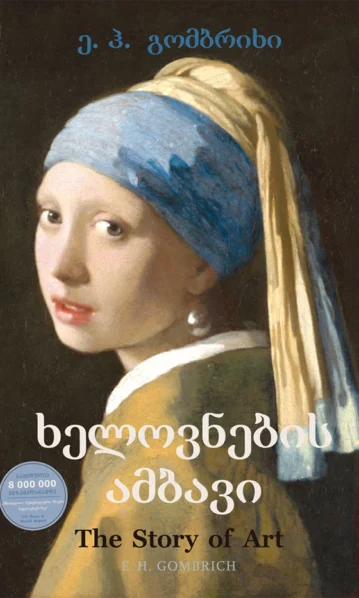
ხელოვნების ამბავი
79,90 ₾„ხელოვნების ამბავი“ ერთ-ერთი ყველაზე ცნობილი და პოპულარული წიგნია ხელოვნების შესახებ, რომელიც ოდესმე გამოცემულა. 60 წლის განმავლობაში იგი რჩება სწორუპოვარ შესავლად მთელი საგნისთვის — უძველესი მღვიმის ფერწერიდან თანამედროვე ექსპერიმენტულ ხელოვნებამდე. მთელ მსოფლიოში ნებისმიერი ასაკისა და გამოცდილების მკითხველისთვის პროფესორი გომბრიხი ჭეშმარიტი ოსტატია, რომელშიც ერთმანეთს ერწყმის ცოდნა და სიბრძნე და რომელიც გამოირჩევა განსაკუთრებული ნიჭით, გაუზიაროს მკითხველს უდიდესი სიყვარული ხელოვნების იმ ნიმუშების მიმართ, რომელთაც აღწერს.
“ეს არის წიგნი, რომელსაც შეუძლია — თუ მას ფართო მკითხველი გაეცნობა — მთელი თაობის აზროვნება შეცვალოს. გომბრიხის სტილი სასაუბრო და ინტიმურია. მისი განსწავლულობა ყველასთვის თვალსაჩინოა, მაგრამ იგი არ გთრგუნავს; ამასთანავე, მისგან ყველაფრის შესახებ რაღაც ახალს გაიგებთ. მას შეუძლია რამდენიმე სიტყვით მთელი პერიოდის ატმოსფერო გადმოგცეთ.”
“თაიმზის” ლიტერატურული დამატება, 1-ლი გამოცემის რეცენზია, 1950 წლის 27 იანვარი

1 პატარა პიტის კომიქსების კლუბი
14,90 ₾კეთილი იყოს შენი მობრძანება კომიქსების კლუბში. აქ გაიცნობ კომიქსების შემქმნელებს და წაიკითხავ ძალიან სასაცილო კომიქსებს.

მაქსისტორიები
12,90 ₾მაქსი მსოფლიოში ყველაზე ახალგაზრდა გამომგონებელია.
მას განსაკუთრებით აინტერესებს: თამაში, ძილი და სიტყვები. ძილისას გამოგონება უჭირს, მაგრამ დანარჩენ ორში ნამდვილად ეკუთვნის გამომგონებლებისთვის დაწესებული რაიმე ცნობილი ჯილდო, რომელსაც ვინმე ცნობილი ადამიანი საზეიმოდ გადასცემს!

მონტესორი დედამიწა სტიკერებით
12,90 ₾ჩააკარი სტიკერი;
დახატე;
დააკავშირე;
გააფერადე…
დამოუ კიდებლად შესასრულებელი სახალისო დავალებები და მარტივი შემეცნებითი ტექსტები თამაშ-თამაშით, გამიზნულად ავითარებს ბავშვის კოგნიტურ უნარებს სკოლამდელ ასაკში.
მონტესორის მეთოდით აგებულიეს აქტივობების რვეული დაეხმარება პატარებს, უკეთ გაიცნონ ჩვენი პლანეტის შემადგენელი ნაწილები: კონტინენტები და ოკეანეები, ქალაქები და ქვეყნები, ცხოველთა და მცენარეთა სამყარო.

მონტესორი სახლი სტიკერებით
12,90 ₾ჩააკარი სტიკერი;
დააკავშირე;
დახატე თითებით;
გააფერადე…
მონტესორის მეთოდით აგებული ეს აქტივობების რვეული დაეხმარება პატარებს, შეძლონ საოჯახო ნივთებისა და ინვენტარის ამოცნობა და დასახელება; ისწავლონ საკუთარ ნივთებ ზე, პირად ჰიგიენასა და სახლის სისუფთავეზე დამოუ კიდებლად ზრუნვა.

მონტესორი რიცხვები სტიკერებით
12,90 ₾ჩააკარი სტიკერი;
გამოჭერი;
დახატე თითებით;
გააფერადე…
დამოუ კიდებლად შესასრულებელი სახალისო დავალებები და მარტივი შემეცნებითი ტექსტები თამაშ-თამაშით, გამიზნულად ავითარებს ბავშვის კოგნიტურ უნარებს სკოლამდელ ასაკ ში. მონტესორის მეთოდით აგებული ეს აქტივობების რვეული დაეხმარება პატარებს, შეძლონ რაოდენობების გააზრება და დათვლა, ციფრების ამოცნობა, ჩაწერა და რაოდენობასთან დაკავ შირება; ასევე – ნულის, როგორც „არცერთის“ გააზრება.

მონტესორი ფერები სტიკერებით
12,90 ₾ჩააკარი სტიკერი;
გამოჭერი;
დახატე თითებით;
გააფერადე…
დამოუკიდებლად შესასრულებელი სახალისო დავალებები და მარტივი შემეცნებითი ტექსტები თამაშ-თამაშით, გამიზნულად ავითარებს ბავშვის კოგნიტურ უნარებს სკოლამდელ ასაკში.
მონტესორის მეთოდით აგებული ეს აქტივობების რვეული დაეხმარება პატარებს ფერების, ფერთა ტონებისა და ელფერების უკეთ აღქმაში, დასახელებასა და დამახსოვრებაში.
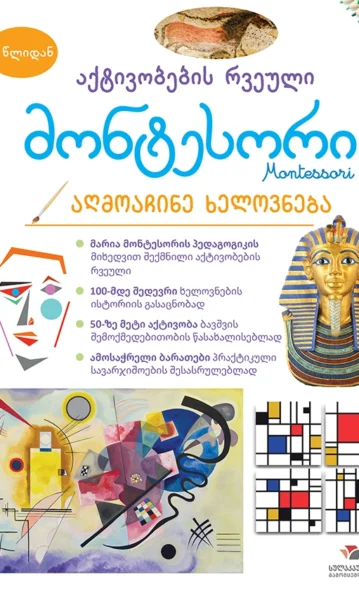
მონტესორი 8 წლიდან აღმოაჩინე ხელოვნება
15,90 ₾კეთილი იყოს თქვენი მობრძანება მონტესორის პედაგოგიკის მიხედვით შექმნილ ჩვენს კურსზე! ჩვენ მიერ შემოთავაზებული მსოფლიო შედევრები და სხვადასხვა სირთულის მრავალფეროვანი აქტივობები ხელოვნების ისტორიის გაცნობაში დაეხმარება 8 წლისა და უფროსი ასაკის ბავშვებს.
აქტივობების რვეულის დახმარებით, ბავშვი:
გაიცნობს ქრონოლოგიური პრინციპით დალაგებულ მიმდინარეობებს/ჟანრებს და მათი განვითარების ისტორიულ კონტექსტებს პრეისტორიული ხანიდან თანამედროვე ურბანულ ხელოვნებამდე, ანუ სტრიტ-არტამდე.
გაიცნობს და დააკვირდება 100-მდე ხელოვნების ნიმუშს და გაიგებს თითოეული მათგანის შესრულებისას გამოყენებულ ტექნიკურ ხერხებს.
ქრონოლოგიური სკალის დახმარებით, მსოფლიო შედევრებს მიუსადაგებს შესაბამის მიმდინარეობასა თუ ისტორიულ პერიოდს.
საინტერესო და მრავალფეროვანი აქტივობების დახმარებით, თავადაც შეეცდება შემოქმედებითობის გამოვლენას.
რვეულში დაგხვდებათ: ამოსაჭრელი, ჩასაკრავი ან პრაქტიკული სამუშაოსთვის გამოსაყენებელი ბარათები მსოფლიო შედევრების ნიმუშებით

მონტესორი 7 წლიდან ლოგიკა მომავალი პროგრამისტებისათვის
15,90 ₾კეთილი იყოს თქვენი მობრძანება მონტესორის პედაგოგიკის მიხედვით შექმნილ ჩვენს კურსზე! ჩვენ მიერ შემოთავაზებული 50-ზე მეტი სახალისო აქტივობის წყალობით 7 წლისა და უფროსი ასაკის ბავშვები გაეცნობიან ორობითი ენისა და პროგრამირების საწყისებს.
აქტივობების რვეულის დახმარებით, ბავშვი:
მონტესორის პედაგოგიკისთვის დამახასიათებელი მიდგომის თანახმად, ყველაზე ბუნებრივი გზით – ყოფითი აქტივობებით (ნამცხვრის მომზადება, მცენარის მოვლა, სუფრის გაშლა…) გაიაზრებს, რომ ალგორითმი რიგითობის ზუსტი დაცვით შესასრულებელი მოქმედებებია, რის შედეგადაც სრულდება დავალება ან გადაიჭრება პრობლემა; შემდეგ თავადაც მოიგონებს „სახალისო ალგორითმებს“ და „გამოასწორებს ხარვეზს“ მარტივ ალგორითმებში.
რობოტ ჰეიოს მაგალითზე გაეცნობა პროგრამირებისა და რობოტიკის საფუძვლებს.
ნახატებისა და მარტივი მითითებების დახმარებით გაიცნობს თვლის ორობით სისტემას და ბულის ლოგიკურ ოპერატორებს.
მონტესორის მეთოდით შთაგონებული პრაქტიკული სავარჯიშოების შესრულებით (ოღონდ – გაჯეტების გარეშე) განივითარებს ლოგიკურ აზროვნებას და გაიაზრებს კოდის წერის უმარტივეს პრინციპებს.
რვეულში დაგხვდებათ:
ამოსაჭრელი, ჩასაკრავი ან პრაქტიკული სამუშაოსთვის გამოსაყენებელი ბარათები მარტივი ალგორითმებით

მონტესორი 6 წლიდან აღმოაჩინე კოსმოსი
15,90 ₾კეთილი იყოს თქვენი მობრძანება მონტესორის პედაგოგიკისა და სინგაპურის მეთოდის მიხედვით შექმნილ ჩვენს კურსზე! ჩვენ მიერ შემოთავაზებული მრავალფეროვანი აქტივობების მიზანია, ბავშვებს მათემატიკისადმი ინტერესი გაუღვიძოს. დავალებები თანდათან რთულდება, ამიტომ რეკომენდებულია მათი მრავალჯერ შესრულება.
აქტივობების რვეულის დახმარებით, ბავშვი:
საინფორმაციო გვერდებისა და თავსატეხების წყალობით, გამოიკვლევს მზის სისტემასა და
ციურ სხეულებს, მათ შორის – ჩვენს ლურჯ პლანეტას.
გაეცნობა ასტრონავტებისა და კოსმოსში გაგზავნილი სხვადასხვა მოწყობილობის მიღწევებს.
მიღებული ცოდნის გადამოწმებისა და განმტკიცების მიზნით, უპასუხებს ყოველი თავის ბოლოს მოცემული თემატური ვიქტორინის შეკითხვებს.შექმნის მუყაოს სათამაშოებს.
რვეულში დაგხვდებათ:
ამოსაჭრელი, ჩასაკრავი ან პრაქტიკული სამუშაოსთვის გამოსაყენებელი ბარათები პლანეტებისა და თანავარსკვლავედების გამოსახულებით
რუბრიკა „იცი თუ არა?“ – პასუხები ცნობისმოყვარე ბავშვისთვის
საინტერესო იდეები კოსმოსის სიღრმისეული გამოკვლევისთვის