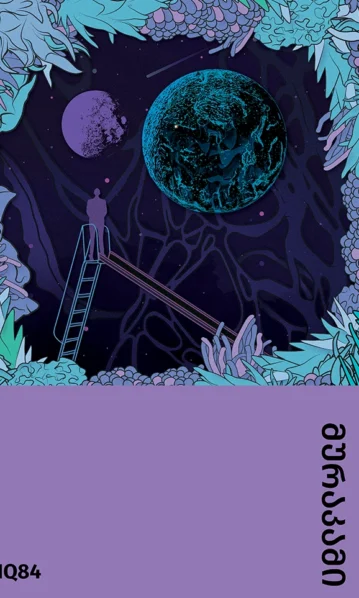
ახალი ფილოსოფიის მოკლე კურსი დეკარტიდან ვიტგენშტაინამდე

22,95 

ბრიტანელი ფილოსოფოსისა და მრავალი წიგნის ავტორის როჯერ სკრუტონის (1944 – 2020) „ახალი ფილოსოფიის მოკლე ისტორია“ ვრცელ პერიოდს მოიცავს და მასში წარმოდგენილია დასავლური ფილოსოფიის ყველა მთავარი მოაზროვნე, დეკარტით დაწყებული და ვიტგენშტაინით დამთავრებული. ავტორი განიხილავს დეკარტის, სპინოზას, ლაიბნიცის, ჰობსის, ლოკის, ბერკლის, ჰიუმის, კანტის, ჰეგელის, შოპენჰაუერის, კირკეგორის, მარქსის, ნიცშეს, მილის, ფრეგეს, ჰუსერლის, ჰაიდეგერის, ვიტგენშტაინის, ასევე სხვათა მოსაზრებებს და აცნობს მკითხველს ძირითად იდეებსა და არგუმენტებს, რომლებმაც განაპირობა თანამედროვე ფილოსოფიის ჩამოყალიბება. „მოკლე ისტორია“ დიდებული გზამკვლევია ყველასთვის, ვინც ფილოსოფიის ისტორიით ან ზოგადად ამ საგნითაა დაინტერესებული.

დაუფარავი ღიმილი

16,95 

“დომინიკი სტუდენტია. მოხდენილი, გონებაგახსნილი, ფიქრიანი და მეოცნებე გოგონა უნივერსიტეტში სამართალმცოდნეობას სწავლობს და ბედნიერია ბერტრანთან, თავის შეყვარებულთან, რომელთანაც იდეალური ურთიერთობა აქვს. მაგრამ ამ ერთი შეხედვით იდეალურ ურთიერთობაში დომინიკი ხანდახან უკიდეგანოდ მოწყენილია, ხანდახან კი „ბედნიერების საშინელი განცდა”” ეუფლება. ერთ დღესაც ამ ნაზ და სენტიმენტალურ ყოველდღიურობაში შემოდის ლუკი, ნაცრისფერთვალებიანი სიმპათიური მამაკაცი დაღლილი გამომეტყველებით,ბერტრანის ბიძა. და ყველაფერი იცვლება – იწყება თავბრუდამხვევი, კაშკაშა მზითა და სუფთა ჰაერით სავსე სიყვარულის ამბავი, რომელსაც ფრანსუაზ საგანი ისე ხედავს და გვიყვება, როგორც მხოლოდ მას შეუძლია – თვალისთვის უხილავი დეტალების შემჩნევით და უფაქიზესი სიმახვილით. …საგანის პროზა, მოგონებებიცა და რომანებიც და ნოველებიც და პიესებიც […] მიპატიჟებაა დღესასწაულზე, მიპატიჟებაა მასკარადზე, წარმოდგენაზე, სადაც განსაკუთრებული თითქოს არაფერი ხდება, მაგრამ იქიდან წამოყოლილი სურნელი თუ გული და მეხსიერებაც ხელს გიწყობს ადამიანს, სამუდამოდ გამოგყვება, ვისაც კაბების შრიალი უყვარს, ვისაც თამაში უყვარს, შამპანური და კარგი მანქანები; ვისაც სჯერა, რომ სევდა ადამიანის ბუნებრივი მდგომარეობაა, ვინც სხვებთან ერთად კარგად გრძნობს თავს, მაგრამ მარტო – კიდევ უფრო უკეთ, ვისთავისაც სიცოცხლე განცდა და ერთი შეხედვით უმნიშვნელო დეტალებია, ვინც იცის, რომ შეიძლება დასცინო ადამიანს, მაგრამ მნიშვნელოვანია, კეთილი დარჩე. ზაალ ჩხეიძე”

ოჯახური ბედნიერება

16,95 

” კრებულში „ოჯახური ბედნიერება“ ლევ ტოლსტოის ექვსი მოთხრობაა წარმოდგენილი. ავტორი, როგორც ადამიანის სულის დაკვირვებული მკვლევარი, ამ მოთხრობებშიც, ისევე როგორც თავის გენიალურ, მრავალხრივ და მასშტაბურ რომანებში, ზნეობრიობისა თუ პიროვნული სრულყოფილების საკითხებს წამოჭრის, იმავდროულად კი დიდოსტატის ფუნჯით ხატავს ყოფით გარემოსა და ცხოვრებისეულ სიმართლეს, თვალსაჩინოდ წარმოაჩენს ეპოქას, სამსჯავროზე გამოაქვს მწვავე სოციალური თუ ზნეობრივი საკითხები. „ოჯახურ ბედნიერება“ და კიდევ ხუთი ნაკლებად ცნობილი მოთხრობა მკითხველს, ერთი მხრივ, საყვარელ მწერალთან შეხვედრის, მეორე მხრივ კი, ამ გენიალური ავტორის განსხვავებულ, უჩვეულო შემოქმედებით სამყაროსთან ზიარების შესაძლებლობას აძლევს. “

ნემსის ყუნწი

18,00 

მეორე მსოფლიო ომი დასასრულს უახლოვდება. ნორმანდიაში მოკავშირეთა დესანტის გადასხმას ჩაშლა ემუქრება. შედეგი დამოკიდებულია მტრის დეზინფორმირებაზე, წინააღმდეგ შემთხვევაში, მოკავშირეთა ძალებს კატასტროფა ელის. ამიტომაც მკაცრად გასაიდუმლოებულია ოპერაციის დაწყების დრო და ადგილი. გერმანელების აგენტი, ოპერატიული მეტსახელით, „ნემსის ყუნწი“, მაინც მოახერხებს ინფორმაციის მოპოვებას და აპირებს სასწრაფოდ გავიდეს ქვეყნიდან, რათა ფიურერს უმნიშვნელოვანესი ფოტომასალა გადასცეს. ქვეყნის კონტრდაზვერვა იწყებს ნადირობას აგენტზე, რომელიც გზადაგზა ყველას კლავს, ვინც წინ გადაეღობება. 2019 წელს BBC News-მა „ნემსის ყუნწი“ 100 ყველაზე შთამაგონებელი რომანის სიაში შეიტანა.

ხვალ და ხვალ და ხვალ

16,95 

“ზამთრის ერთ სუსხიან დღეს ბავშვობის მეგობრები ვიდეოთამაშის შექმნას გადაწყვეტენ. ასე იწყება მათი თანამშრომლობა ვიდეოთამაშების დიზაინის რთულ და მშვენიერ სამყაროში, რომელიც ბარიერებითაა აღსავსე. სირთულეებითაა დატვირთული როგორც თავად ვიდეოთამაშის შექმნის პროცესი, ისე ორ ამბიციურ ხელოვანს შორის ურთიერთობა, რომელიც ხანდახან ტოქსიკურობის ზღვარს სცდება. ეს არის ამბავი ერთდროულად ვიდეოთამაშებსა და შექსპირზე, ტრაგედიებსა და „ილიადაზე“, პიროვნულ მეგობრობასა და საქმიან დაპირისპირებაზე. წიგნი დააინტერესებს ყველას, იმის მიუხედავად, ხშირად თამაშობენ ვიდეოთამაშებს თუ ცხოვრებაში ერთხელაც არ უცდიათ.”

Le petit prince

14,95 

პატარა პრინცი – ანუკა ბარათაშვილის ილუსტრაციებით (ფრანგული)

მითები და ლეგენდები

29,95 

ამ წიგნში ღმერთების, სულებისა თუ გმირების თავგადასავლები, მითური ამბები და ლეგენდური არსებები გელოდებათ. მსოფლიოს ხალხთა მითები, მოთხრობები, ზღაპრები და ლეგენდები თავშესაქცევი ფაქტებითა და ლამაზი ილუსტრაციებიაა წარმოდგენილი… ინფორმაციულად დატვირთული ეს შთამბეჭდავი წიგნი ბავშვებს მარადიულ ფასეულობებს აზიარებს.

წითელი დედოფალი

16,95 

მერ ბაროუს სამყარო ორ ფერად არის გაყოფილი – წითლად და ვერცხლისფრად. წითელში სიდუხჭირე, იმედგაცრუება, შიმშილი და სასოწარკვეთაა, ვერცხლისფერში – კეთილდღეობა, ძალა და ძალაუფლება! წითელ სამყაროში გოგონა ოჯახის სარჩენად ქურდობს, სხვა არაფერი იცის! თუმცა ის იცის, რომ როგორც კი 18 წლისა შესრულდება, ჯარში გაიწვევენ, რათა ვერცხლისფრების სიმშვიდე დაიცვას. მაგრამ მოულოდნელად აკიაფდება იმედის ნაპერწკალი… მგონი, შორს არ არის ალისფერი განთიადი! მანამდე კი მერ ბაროუს საკუთარ სახელსა და წარსულზე უარის თქმა, საძულველი და სასტიკი ვერცხლისფრების საზოგადოებაში ტრიალი, პრინცი საქმროს ვერაგობა, არაერთი შეცდომა, ღალატი და ბრძოლა ელის! ამ ბრძოლაში კი სასწორზე არა მარტო მისი სიცოცხლეა შეგდებული

გიორგი ბრწყინვალე, ფრაგმენტები

20,00 

„მაშინ იქნები ძლიერი და მსგრადი, თუ შენი სამშობლო იქნება ასეთი. იცოდე, დაბადებული ხარ არა მოწმედ, არამედ მონაწილედ, შენი სამშობლოს კეთილდღეობაში წვლილის შემტანად.“ – ჭაბუა ამირეჯიბი

ფილმებზე უკეთესი

16,95 

რომანტიკული კომედიური ფილმების მოყვარულ, თავადაც გამოუსწორებელ რომანტიკოსსა და მეოცნებე ლიზს ბავშვობის მეგობარი უყვარს…ასე ჰგონია… და როცა ის კვლავ დაბრუნდა მშობლიურ ქალაქში, გადაწყვეტს, როგორმე თავი მოაწონოს, მისი გული მოინადიროს კიდევ ერთი, მაგრამ აუტანელი ბავშვობის მეგობრისა და მეზობლის (თანაც, ძალიან სიმპათიურის) დახმარებით. ეს წიგნი რომანტიკული კომედიაა რომანტიკულ კომედიებზე!

როგორ მუშაობს ტარო

19,95 

ადამიანს ოდითგანვე იზიდავს შეუცნობელი და იდუმალი, მითუმეტეს, თუ ის მის ბედსა და მომავალს უკავშირდება. მისნობა, მკითხაობა, წინასწარმეტყველება სწორედ ის საშუალებებია, რომელთა დახმარებითაც ვახერხებთ ამ იდუმალი სამყაროს კარის შეღებას. ტარო მისნობის განუყოფელი ნაწილია. მისი დახმარებით შესაძლებელია როგორც მომავლის წინასწარმეტყველება, ისე სასარგებლო რჩევების მიღება. ის გასწავლის, თუ როგორ წაიკითხო ტაროს კარტის მნიშვნელობები და როგორ გამოიყენო ის. თუ მომავლის შეცნობის სურვილი გაქვს ან, უბრალოდ, ჯადოსნური მეთოდების გაძლიერება გინდა, ეს წიგნი სწორედ შენთვისაა – ის უამრავ საიდუმლოს ამოგახსნევინებს!

პურმარილი

16,60 

კონსტანტინე კაპანაძის მოთხრობათა კრებული “პურმარილი” წარმოგვიდგენს თანამედროვე ქართული პროზის განსხვავებულ ხედვას. ავტორი, ერთის მხრივ, ჰქმნის მრავალშრიან ტექსტს, სადაც სამბრანოსეული “ცხოვრების მეტაფიზიკა” ხორცშესხმულია პერსონაჟთა ყოველდღიურობაში, მეორეს მხრივ კი – უილიამ ოკამის “მარტივი გადაწყვეტის” პრინციპით – არ ტვირთავს თხრობას ზედმეტი დეტალებით.

Niko Pirosmanasvili

450,00 

Niko Pirosmanashvili comprehensively tells the story of the life and work of elusive Georgian painter Niko Pirosmanashvili (c.1866-1918), popularly known as Pirosmani, during one of the most interesting epochs in the history of Georgia. Key essays, both recollections by those who knew him and contemporary scholarship, explore his life as an impoverished artist living in Tbilisi. Charting his influence on the Georgian and Russian avant-gardists to the Modernists, including Picasso, and the parallels he holds with Henri Rousseau and Vincent Van Gogh, the artist’s wider cultural impact is also examined from Georgian and international perspectives, past and present. Illustrations of his artwork, alongside a wealth of photographs from Georgia from the beginning of the twentieth century, make this a richly visual resource. With a foreword by Orhan Pamuk, this evocative book is the result of a meticulous process of assemblage by two artists dedicated to broadening Pirosmanashvili’s legacy and has been information for almost fifty years.

Hiroshige

110,00 

This edition reprints Keisai Eisen and Utagawa Hiroshige’s legendary series The Sixty-Nine Stations along the Kisokaidō, a stunning representation of the historic route between Edo and Kyoto. This vivid tapestry of 19th-century Japan is in equal parts a major artifact of its imperial past and a masterwork of woodblock practice.

Cabinet of Curiosities

110,00 

Cabinets of curiosities fascinated people of the 16th and 17th centuries. They offered a glimpse into a world full of natural wonders and treasures that aimed to reflect the order of the universe. This volume takes us through the world’s most beautiful collections, into the Medici treasury or the Green Vault (Grünes Gewölbe) of Dresden, and offers no less than a brief cultural history of the miraculous.

Living in Asia

110,00 

On this journey through Asian living spaces, the local architectural traditions, colonial heritage, and modern design blend into a shimmering panorama of extraordinary interiors and the Asian way of life. Breathtaking abodes in Tibet, Nepal, India, Sri Lanka, Myanmar, Thailand, Laos, Cambodia, Singapore and Malaysia are presented.

Scandinavian Design

110,00 

What makes Scandinavia such a hotbed of design talent and innovation? Explore masterful forms and lyrical lines from across Norway, Sweden, Denmark, Iceland, and Finland in this stylish book. Bridging the gap between crafts and industrial production, organic forms and functionality, this must-have guide includes in-depth entries on 125 designers.

The Ultimate Sneaker Book

110,00 

Sneaker Freaker has been at the forefront of the global sneaker scene for over two decades. With over 500 redesigned pages, fresh photography, immense historical detail, and otaku-level minutiae, this anthology combines the magazine’s finest and content created exclusively for this book into one big celebration of sneakers.

The Package Design Book (2)

80,00 

Package design is one of the most dynamic and fast-evolving fields of design today. Featuring over 600 creations from more than 35 countries, this compact edition celebrates extraordinary work from the global packaging design community. Showcasing the winners of the Pentawards from the past decade, the world’s leading packaging design competition.

Walt Disney’s Disneyland

58,00 

A visual history of the world’s magic megalopolis

Walt Disney dreamed for decades about opening the ultimate entertainment venue, but it wasn’t until the early 1950s that his handpicked team began to bring his vision to life. Together, artists, architects, and engineers transformed a dusty tract of orange groves about an hour south of Los Angeles into one of the world’s most beloved destinations.

Today, there are Disney resorts from Paris to Shanghai, but the original Disneyland in Anaheim, California, which has been visited by more than 800 million people to-date, remains one of America’s most popular attractions. From the day it opened on July 17, 1955, Disneyland brought history and fairy tales to life, the future into the present, and exciting cultures and galaxies unknown to our imaginations.

This intruiging visual history draws on Disney’s vast historical collections, private archives, and the golden age of photojournalism to provide unique access to the concept, development, launch, and enjoyment of this sun-drenched oasis of fun and fantasy. Disneyland documents Walt’s earliest inspirations and ideas, the park’s extraordinary feats of design and engineering, and each of its immersive “lands” from Main Street, U.S.A., to Tomorrowland. It is a treasure trove of original Disney documentation and expertise, with award-winning writer Chris Nichols drawing on his extensive knowledge of both Disneyland and Southern California history to reveal the fascinating tale of “the happiest place on Earth.”

Mucha

58,00 

Delicate illustration that defined an era

With his instantly recognizable decorative style, Czech artist and Art Nouveau master Alphonse Mucha (1860–1939) defined the look of the fin-de-siècle. In evocative shades of peach, gold, ochre, and olive, his seductive compositions of patterns, flowers, and beautiful women became paradigms of the Belle Époque years.

Mucha’s work permeated illustration, posters, postcards, and the advertising designs of his day. His striking posters of star actress Sarah Bernhardt were particularly famous. Alongside this delicate decorative work, Mucha also harbored strongly felt political ideas. With his monumental cycle The Slav Epic, he expressed his staunch support for Pan-Slavism, promoting the political independence of the Czech and Slavic nations from the Austro-Hungarian Empire.

Compiled in association with the Mucha Foundation, this book presents key works and introduces the full reach of Mucha’s œuvre from patterned decoration to his book illustrations, posters, photographs and monumental paintings.

Bosch

58,00 

Hieronymus Bosch’s meticulous visions of the grotesque, debauched, and divine

As cryptic as they are compelling, the masterpieces of Hieronymus Bosch (c. 1450–1516) remain some of the most enduring enigmas of the art world. Their intricate, allegorical, and often startling content has captivated not only art historians, but also fashion designers, rock stars, writers, and punk rockers, as well as countless modern and contemporary artist successors.

Although rooted in the Old Netherlandish tradition, Bosch developed a highly subjective, richly suggestive style to render both the celestial bliss of heaven and the grotesque tortures of hell, most famously and meticulously excecuted in The Garden of Earthly Delights. Here, as in his other known works, his artistic language combined religious humility with a razor-sharp wit, often playing off pictorial versions of contemporary proverbs or figures of speech.

This book ties together the elusive threads of Bosch’s oeuvre to provide a concise introduction to an at once haunting and enthralling pictorial world.

Turner

58,00 

Turner’s iridescent tableaux

In the work of Joseph Mallord William Turner (1775–1851) lies an impact akin to a sudden acquisition of sight. His landscapes and seascapes scorch the eye with such ravishing light and color, with such elemental force, it is as if the sun itself were gleaming out of the frame.

Appropriately known as “the painter of light,” Turner worked in print, watercolor, and oils to transform landscape from serene contemplative scenes to pictures pulsating with life. He anchored his work to the River Thames and to the sea, but in the historical context of the Industrial Revolution, also integrated boats, trains, and other markers of human activity, which juxtaposes the thrust of civilization against the forces of nature.

This book covers Turner’s illustrious, wide-ranging repertoire to introduce an artist who combined a traditional genre with a radical modernism.

Rubens

58,00 

Meet Sir Peter Paul Rubens, master painter and polymath

There are over 1,000 catalogued works by Sir Peter Paul Rubens (1577–1640), the 16th-century flag bearer for Baroque drama, movement, and sensuality. This essential introduction takes in the most important works from this astonishingly prolific oeuvre to explore Rubens’s influences and innovations, and his remarkable visual, and art historical, impact.

The richly illustrated survey takes in Rubens’s portraits, landscapes, and historical paintings, as well as his famed and bountiful nudes. Along the way, we examine the artist’s astonishing technique and his deft ability to depict narrative in a compelling and legible visual form, whether an erotic mythological scene or a tender biblical story. This remarkable artistic bravura is placed in context both within Rubens’s long art historical legacy through Van Dyck, Velázquez, and beyond, and his other talents as a classical scholar, diplomat, and knight.

Hundertwasser

58,00 

Friedensreich Hundertwasser, hero of fluid forms and ecology

Vivid color, organic forms, and a loathing of straight lines were just a few stalwart characteristics in the unique practice of Friedensreich Hundertwasser (1928–2000). A non-conformist hero, the artist, architect, and activist left a blazing trail of imagination and ideas in buildings, paintings, manifestos, initiatives, and more.

Hundertwasser’s best-known work is considered by many to be the Hundertwasserhaus in Vienna, a structural synthesis of the vitality and uniqueness that determined the artist’s entire oeuvre. For Hundertwasser, rational, sterile, monotonous buildings caused human misery. He called for a boycott of the modernist paradigm championed by the likes of Adolf Loos, and campaigned instead for an architecture of creative freedom and ecological commitment. A fierce opponent of straight lines, which he called “godless and immoral,” Hundertwasser was fascinated by the spiral, drawing also on the Secessionist forms of Klimt and Schiele.

This richly illustrated book traces Hundertwasser’s style and vision not only for each building, but for society at large. From naked addresses at the end of the 1960s to worldwide architecture projects and alternative blueprints for society, author Pierre Restany explores Hundertwasser’s most high-profile and innovative ideas in a thrilling introduction to a pioneering 20th-century mind.

Dürer

58,00 

The art, theory, and woodcut print revolution of Albrecht Dürer

A polymath of the German Renaissance, Albrecht Dürer (1471–1528) was a prolific artist, theorist, and writer whose works explored everything from religion to art theory to philosophy. His vast body of work includes altarpieces, portraits, self-portraits, watercolors, and books, but is most celebrated for its astonishing collection of woodcut prints, which transformed printmaking from an artisan practice into a whole new art form.

Dürer’s woodcuts astonish in scale as much as detail. Through works such as Apocalypse and the Triumphal Arch for Emperor Maximilian I, he created dense, meticulous compositions that were much larger, much more finely cut, and far more complex than any earlier woodcut efforts. With an ambitious tonal and dynamic range, he introduced a new level of conceptual, emotional, and spiritual intensity. His two major woodcut series on Christ’s Passion, named The Large Passion and The Small Passion after their size, are particularly remarkable for their vivid human treatment of the Christian narrative. In his copper engraving, Melancholia I, meanwhile, Dürer created a startling vision of emotional ennui, often cited as a defining early image of a depressive or melancholic state.

Ever inquisitive, Dürer absorbed ideas not only from masters and fellow artists in Germany but also from Italy, while his own influence extended across Europe for generations to come. In this essential TASCHEN introduction, we explore this pioneering figure’s complex practice, his omnivorous intellect, and the key works which shaped his enduring legacy.

Caravaggio

58,00 

The Baroque genius who electrified art history

Michelangelo Merisi da Caravaggio (1571–1610) was always a name to be reckoned with. Notorious bad boy of the Italian Baroque, the artist was at once celebrated and controversial, violent in temper, precise in technique, a creative master, and a man on the run.

Though famed for his dramatic use of color, light, and shadow, it was above all Caravaggio’s boundary-breaking naturalism which scorched his name into the annals of art history. From the dirtied soles of feet to the sexualized languor of bare flesh, the artist allowed even sacred and biblical scenes to unfold with a startling, often visceral humanity. This vivid pictorial world was accompanied by an equally intense personal biography, scored by gambling, debts, drunken brawls, and even a murder charge.

This book brings together more than 50 of Caravaggio’s most famous and revolutionary works to explore how and why this artist is now considered the most important painter of the early Baroque period and one of the defining influences of art history, without whom Ribera, Vermeer, Rembrandt, Delacroix, Courbet, and Manet could never have painted the way they did.

Cubism

58,00 

Deconstructing perspective with Picasso and peers

Pioneered by Picasso and Braque, Cubism has been described as the first avant-garde art movement of the 20th century. With inspiration from African and Native American art and sculpture, its practitioners deconstructed European conventions of viewpoint, form, perspective to create flattened, fragmented, and revolutionary images.

Picasso’s celebrated painting Les Demoiselles d’Avignon is typically regarded as the original cubist work, with its radical fracturing of objects and figures into distinct areas, corresponding to multiple different viewpoints. Cubism thereafter developed two distinct trends: Analytical Cubism, which continued to interweave perspectival planes in muted blacks, greys and ochre, and later Synthetic Cubism, characterised by simpler shapes, brighter colors, and collage elements such as newspaper.

This book presents the prime protagonists of Cubism, with work from artists including Pablo Picasso, Georges Braque, Fernand Léger, Juan Gris, Albert Gleizes, and Robert Delaunay.

1920s Berlin

58,00 

The roaring twenties in Berlin

It was the decade of daring Expressionist canvases, of brilliant book design, of the Bauhaus total work of art, of pioneering psychology, of drag balls, cabaret, Metropolis, and Marlene Dietrich’s rising star in theater and silent film. Between the paroxysms of two world wars, Berlin in the 1920s was a carpe diem cultural heyday, replete with groundbreaking art, invention, and thought.

This book immerses readers in the freewheeling spirit of Berlin’s Weimar age. Through exemplary works in painting, sculpture, architecture, graphic design, photography, and film, we uncover the innovations, ideas, and precious dreams that characterized this unique cultural window. We take in the jazz bars and dance halls; the crowded kinos and flapper fashion; the advances in technology and transport; the radio towers and rumbling trams and trains; the soaring buildings; the cinematic masterworks; and the newly independent women who smoked cigarettes, wore their hair short, and earned their own money.

Featured works in this vivid cultural portrait include Hannah Höch’s The Journalists; Lotte Jacobi’s Hands on Typewriter; Otto Dix’s Portrait of the Journalist Sylvia von Harden; Peter Behrens’s project of theAlexanderplatz; and Josef von Sternberg’s The Blue Angel, starring Dietrich as cabaret performer Lola Lola. Along the way, we explore both the utopian yearnings and the more ominous economic and political realities which fueled the era’s escapist, idealistic, or reactionary masterworks. Behind the bright lights and glitter dresses, we see the inflation, factory labor, and fragile political consensus that lurked beneath this golden era and would eventually spell its savage end with the rise of National Socialism.

Rothko

58,00 

Tragedy, ecstasy, and doom

Resisting interpretation or classification, Mark Rothko (1903–1970) was a prominent advocate for the artist’s consummate freedom of expression. Although identified as a key protagonist of the Abstract Expressionist movement, first formed in New York City, Rothko rejected the label and insisted instead on “a consummated experience between picture and onlooker.”

Following a repertoire of figurative works, Rothko developed his now iconic canvases of bold color blocks in red, yellow, ochre, maroon, black, or green. With these shimmering, pulsating color masses, Rothko stressed that he had not removed the human figure but rather put symbols or shapes in its place. These intense color forms contained all the tragedy of the human condition. At the same time, Rothko explicitly empowered the viewer in the expressive potential of his work. He believed “A picture lives by companionship, expanding and quickening in the eyes of the sensitive observer.”

From his early development through to his most famous color fields, this book introduces the intellect and influence of Rothko’s dramatic, intimate, and revolutionary work.

Genesis. Sebastião Salgado

58,00 

A photographic homage to our planet

“In GENESIS, my camera allowed nature to speak to me. And it was my privilege to listen.” —Sebastião Salgado

On a very fortuitous day in 1970, 26-year-old Sebastião Salgado held a camera for the first time. When he looked through the viewfinder, he experienced a revelation: suddenly life made sense. From that day onward—though it took years of hard work before he had the experience to earn his living as a photographer—the camera became his tool for interacting with the world. Salgado, who “always preferred the chiaroscuro palette of black-and-white images,” shot very little color in his early career before giving it up completely.

Raised on a farm in Brazil, Salgado possessed a deep love and respect for nature; he was also particularly sensitive to the ways in which human beings are affected by their often devastating socio-economic conditions. Of the myriad works Salgado has produced in his acclaimed career, three long-term projects stand out: Workers (1993), documenting the vanishing way of life of manual laborers across the world; Migrations (2000), a tribute to mass migration driven by hunger, natural disasters, environmental degradation and demographic pressure; and this new opus, GENESIS, the result of an epic eight-year expedition to rediscover the mountains, deserts and oceans, the animals and peoples that have so far escaped the imprint of modern society—the land and life of a still-pristine planet. “Some 46% of the planet is still as it was in the time of genesis,” Salgado reminds us. “We must preserve what exists.” The GENESIS project, along with the Salgados’ Instituto Terra, are dedicated to showing the beauty of our planet, reversing the damage done to it, and preserving it for the future.

Over 30 trips—traveled by foot, light aircraft, seagoing vessels, canoes, and even balloons, through extreme heat and cold and in sometimes dangerous conditions—Salgado created a collection of images showing us nature, animals, and indigenous peoples in breathtaking beauty. What does one discover in GENESIS? The animal species and volcanoes of the Galápagos; penguins, sea lions, cormorants, and whales of the Antarctic and South Atlantic; Brazilian alligators and jaguars; African lions, leopards, and elephants; the isolated Zo’é tribe deep in the Amazon jungle; the Stone Age Korowai people of West Papua; nomadic Dinka cattle farmers in Sudan; Nenet nomads and their reindeer herds in the Arctic Circle; Mentawai jungle communities on islands west of Sumatra; the icebergs of the Antarctic; the volcanoes of Central Africa and the Kamchatka Peninsula; Saharan deserts; the Negro and Juruá rivers in the Amazon; the ravines of the Grand Canyon; the glaciers of Alaska… and beyond. Having dedicated so much time, energy, and passion to the making of this work, Salgado calls GENESIS “my love letter to the planet.”

Sebastião Salgado. Amazônia

58,00 

Sebastião Salgado on the traces of the indigenous peoples of the Amazon rainforest

Sebastião Salgado traveled the Brazilian Amazon and photographed the unparalleled beauty of this extraordinary region for six years: the forest, the rivers, the mountains, the people who live there—an irreplaceable treasure of humanity.

Salgado visited a dozen indigenous tribes that exist in small communities scattered across the largest tropical rainforest in the world. He documented the daily life of the Yanomami, the Asháninka, the Yawanawá, the Suruwahá, the Zo’é, the Kuikuro, the Waurá, the Kamayurá, the Korubo, the Marubo, the Awá, and the Macuxi—their warm family bonds, their hunting and fishing, the manner in which they prepare and share meals, their marvelous talent for painting their faces and bodies, the significance of their shamans, and their dances and rituals.

Sebastião Salgado has dedicated this book to the indigenous peoples of Brazil’s Amazon region: “My wish, with all my heart, with all my energy, with all the passion I possess, is that in 50 years’ time this book will not resemble a record of a lost world. Amazônia must live on.”

INSTITUTO TERRA

Founded in 1998 at Aimorés in the state of Minas Gerais, Instituto Terra is the culmination of Lélia Wanick Salgado and Sebastião Salgado’s lifelong activism and work as cultural documentarians. Through a scientific program of planting and raising saplings, the organization has performed a miraculous reforestation of the once infertile region and furthered the Salgados’ mission of reversing the damage done to our planet. TASCHEN is proud to reach carbon zero status through our continued partnership.

Rivera

58,00 

A revolutionary spirit in modern art

Diego Rivera (1886–1957) is a loud presence on the art historical stage. With devout political principles and a turbulent romantic history, he was at once husband and paladin of Frida Kahlo, advocate and adversary of Stalin’s Soviet Union, and liberator and traitor of Leon Trotsky.

Vibrant, graphic, and often monumental, Rivera’s paintings carry the same live political and passionate charge as his personal biography. Fusing European influences such as Cubism with a socialist ideology and an exaltation of Mexico’s indigenous and popular heritage, he created a new iconography for art history and for his country. He became one of the most important figures in the Mexican mural movement and won international acclaim for his public wall paintings, in which he presented a utopian yet accessible vision of a post-revolutionary Mexico. In 1931, Rivera was the subject of MoMA’s second ever monographic exhibition.

This book explores the unique blend of influence and ideology which secure Rivera’s place as both a unique and a universal painter, bound to the particular turbulent experience of early 20th century Mexico, and yet preoccupied with subjects such as revolution and class inequity which continue to speak to us today.

McCurry Animals

58,00 

Steve McCurry photographs the animal kingdom

In Animals, we discover a different side to the famed photographer who skillfully explores animals’ complex relationship with humans and the environment.

Tenderness abounds, particularly in scenes of unkempt street dogs sleeping contentedly next to a human. But there’s also a kind of essential solitude, with animals belonging to no one and simply wandering through life with only their survival instincts to guide them. We witness camels caught in the crossfire during the first Gulf War; a shepherd from Northern Pakistan tenderly feeding his goats; Beverly Hills designer dogs; race horses on a Hong Kong rooftop; an elephant in Thailand, and more images selected by McCurry from his vast archives.

Through McCurry’s lens, we discover an appreciation for each creature’s beauty and silent dignity. This kaleidoscopic collection is at once a beautiful travelogue and a touching tribute to the creatures who share our planet.

Rembrandt

58,00 

The complete self-portraiture

Few devotees of the form can approach Rembrandt Harmenszoon van Rijn’s radical contributions to self-portraiture. Challenging the conventions enshrined by his predecessors, Rembrandt transformed the art into a fully realized medium capable of communicating emotional depth rather than favorably immortalizing one’s likeness in the finest trappings of luxury. With more than 80 works spanning paintings, etchings, and drawings, the Dutchman’s lifelong practice of self-portraiture functions as a means of concretizing that which is fleeting. Across four decades, one constant is particularly striking across media and styles—Rembrandt’s dedication to presenting himself from multiple perspectives, celebrating the multiplicity of the individual and championing the unfiltered portrayal of emotional expression.

Apart from the thematic concerns present within Rembrandt’s suite of self-portraits, the works themselves are rich with technical innovation and experimentation. There is an unmistakable humanity present across the entirety of this oeuvre, each expressive brushstroke and obfuscated feature amounting to an unflinchingly honest characterization of himself, in all his foibles, contrasting states of feeling, and stages of life.

This monograph renders all of Rembrandt’s self-portraits – from his first experimentations at age twenty-two to his final self-portrait painted a year before his death – and stands testament to a life committed to revolutionizing painterly practice both in content and form.