

წიგნების კატალოგი

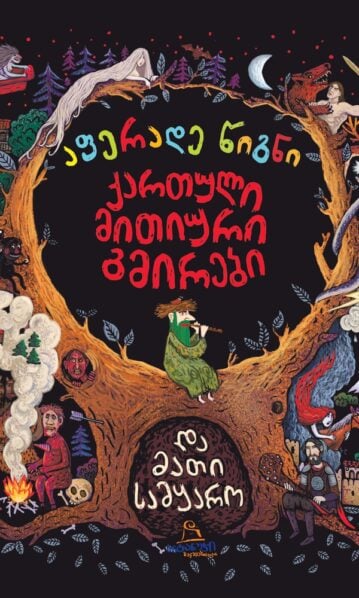

Воспоминания о военной службе на Кавказе и плене у Шамиля 1844-1854
34,95 ₾“პოლონელი კაროლ კალინოვსკის ბედ-იღბალი, ერთი მხრივ, სრულად ემსგავსებოდა ათეულობით თანამემულის ბედისწერას, 1840-იან წლებში საკუთარი ქვეყნის თვითმყოფადობისთვის ბრძოლის მიზეზით რომ დაისაჯნენ რუსეთის იმპერიისგან: თავისუფლებისმოყვარე ერის შვილები აიძულეს, რუსული სამხედრო მუნდირი მოერგოთ და ამავე მიზნისთვის მებრძოლი კავკასიელების დასაპყრობად დაეღვარათ სისხლი. მეორე მხრივ, მისი ათწლიანი ცხოვრება თავისუფლებისმოყვარე მთიელ ხალხთა შორის სრულიად განსაკუთრებულად წარიმართა.
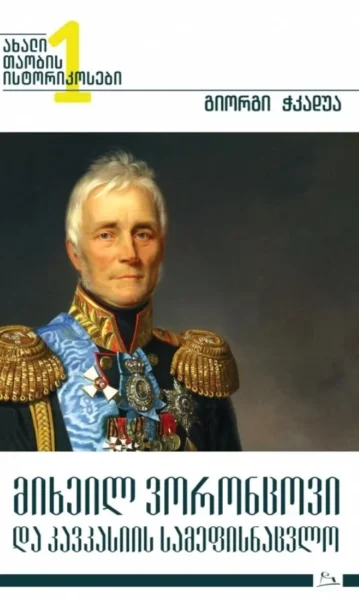
მიხეილ ვორონცოვი და კავკასიის სამეფისნაცვლო
9,95 ₾XIX საუკუნის დასაწყისიდან რუსეთის იმპერიამ სამეფო-სამთავროებად დაშლილი საქართველო ეტაპობრივად დაიპყრო და ძალმომრეობით შეეცადა მის ადმინისტრაციულ მართვასა და რუსულ იმპერიულ სისტემასთან შერწყმას. მიდგომა შეიცვალა 1845 წლიდან, მას შემდეგ, რაც კავკასიაში მეფისნაცვლად მიხეილ ვორონცოვი გამოგზავნეს.
წიგნი ეხება საქართველოს ისტორიის სწორედ ამ გარდამტეხი მომენტის, აგრეთვე მეფისნაცვლის ინსტიტუტისა და რუსული იმპერიული მმართველობის დამყარების პროცესის შესწავლას ინსტიტუციონალიზმის თეორიების მიხედვით.

ჯაყოს ხიზნები – პერსონაჟთა პროტოტიპები
8,95 ₾მიხეილ ჯავახიშვილის რომანის „ჯაყოს ხიზნები“ შესწავლის გზაზე სხვა მრავალ ასპექტთან ერთად მეტად საყურადღებო და აქტუალურია რომანის პროტაგონისტთა – ჯაყო ჯივაშვილის, თეიმურაზ ხევისთავისა და მარგო ყაფლანიშვილის – პროტოტიპთა იდენტიფიკაციისა და მხატვრულ სახე-პერსონაჟებად მათი ჩამოყალიბების საკითხი, რაც პირველადაა მონოგრაფიულად შესწავლილი წარმოდგენილ ნაშრომში.

უბის წიგნაკებიდან
29,95 ₾საქართველოს 70-წლიანი რუსული ოკუპაცია. მთავარი ფერი – წითელი. სერია „წითელი 70“ სწორედ საბჭოთა რეჟიმის შესახებ დაწერილ წიგნებს აერთიანებს, რომლებსაც საბჭოეთში თუ მის შემდეგ დიდი ქართველი მწერლები და კრიტიკოსები ქმნიდნენ. სერიის მიზანია, სანდო, ეპოქალური გამოცემებით გაახსენოს მკითხველთა ნაწილს, ახალ თაობას კი უამბოს, ასწავლოს და გაააზრებინოს, რა მასშტაბის სისასტიკე, ტერორი და რეპრესიები დაიტია ჩვენი ქვეყნის უახლესი ისტორიის 70-მა წელმა და როგორ აისახა ეს ყოველივე ჩვენი სახელმწიფოებრიობის, კულტურისა და მეცნიერების განვითარებაზე.
1937 წელს, უკვე დაპატიმრებული მიხეილ ჯავახიშვილის ბინაში ჩატარებულ ჩხრეკების სერიას მწერლის ქალიშვილის, ქეთევან ჯავახიშვილის წყალობით გადაურჩა უბის წიგნაკები, რომლებსაც დიდი მწერალი 1924 წლიდან 1935 წლამდე აწარმოებდა. ქართველი კლასიკოსის ბინაში მისული ჩეკისტები ვერ წარმოიდგენდნენ, რომ ხელიდან გამოეცალათ ხელნაწერები, რომლებშიც ჯავახიშ- ვილს მთელ საბჭოთა რეჟიმზე უამრავი დაკვირვება ჰქონდა ჩანიშნული.
ჩანაწერებიდან აშკარად ჩანს, რომ მწერლის პირადი და შემოქმედებითი ცხოვრება აღსავსე იყო კრიტიკით, ლანძღვითა და მუქარით. ფურცელ-ფურცელ იძერწებოდა მისი სულიერი ბიოგრაფია და მხატვრული ძიებანი. მკითხველის წინაშეა დიდი მწერლის ვნებანი უამრავი ყოფითი, ეროვნული, სოციალური თუ ლიტერატურული საიდუმლოს ამოსახსნელად.
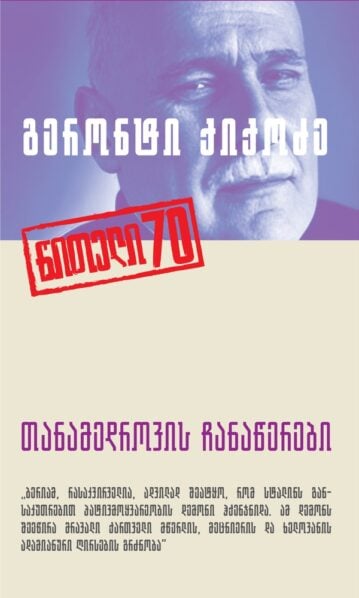
თანამედროვის ჩანაწერები
12,95 ₾საქართველოს 70-წლიანი რუსული ოკუპაცია. მთავარი ფერი – წითელი. სერია “წითელი 70” სწორედ საბჭოთა რეჟიმის შესახებ დაწერილ წიგნებს აერთიანებს, რომლებსაც საბჭოეთში თუ მის შემდეგ დიდი ქართველი მწერლები და კრიტიკოსები ქმნიდნენ. სერიის მიზანია, სანდო, ეპოქალური გამოცემით გაახსენოს მკითხველთა ნაწილს, ახალ თაობას კი უამბოს, ასწავლოს და გააზიარებინოს, რა მასშტაბის სისატიკე, ტერორი და რეპრესიები დაიტია ჩვენი ქვეყნის უახლესი ისტორიის 70-მა წელმა და როგორ აისახა ეს ყოველივე ჩვენი სახელმწიფოებრიობის, კულტურისა და მეცნიერების განვითარებაზე.
გერონტი ქიქოძის “თანამედროვის ჩანაწერები” საბჭოთა საქართველოში იწერებოდა. ეს წიგნი, პირველ ყოვლისა, სწორედ ამ ფაქტის გამოა საყურადღებო, როგორც საბჭოთა კავშირის სისხლიანი ეპოქის თანადროული აღმწერი.
დიდი ქართველი კრიტიკოსი ქვეყნის თითქმის 40-წლიან პერიოზე გვიამბობს ობიექტურობისა და ქრონოლოგიის დაცვით. გვიყვება საქართველოს დამოუკიდებელ რესპილიკაზე, დაკარგული თავისუფლები, დიდი ტერორის შემოქმედთა და რეპრესირებულთა შესახებ; წერს სტალინიზმის რეჟიმს შეწირულ ისეთ დიდ სახელებს, როგორებიც იყვნენ: მიხეილ ჯავახიშვილი, დიმიტრი შევარდენიძე, ევგენი მიქელაძე, პაოლო იაშვილი, ტიციან ტაბიძე, ნიკოლო მიწაშვილი…
ესაა წიგნი გამაოგნებელი სისასტიკის, აბსურდისა და ბოროტების მრავალწლიან სისხლიან ქრონიკაზე. მასზე მაშაობა კრიტიკოსმა 1954 წლის 12 მარტს დაასრულა.
“წითელი 70” სერიით პირველად გამოიცემა გერონტი ქიქოძის ოჯახში დაცული ავტორისეული ვერსია.

კრიშტიანო რონალდო
11,95 ₾ფეხბურთი მილიონების საყვარელი თამაშია. ის ოცნებების ახდენის საუკეთესო საშუალებაცაა. სპორტის ნომერ პირველი სახეობის მეშვეობით ბევრი ადამიანის ცხოვრებაში გვირაბის ბოლოს შუქი გამოჩენილა. ასე მოხდა ჩვენი გმირის შემთხვევაშიც. სწორედ ფეხბურთმა აქცია მსოფლიოს ერთ-ერთ ყველაზე ცნობილ, პოპულარულ, წარმატებულ და მდიდარ ადამიანად უბრალო მადეირელი ბიჭი, რომელიც, შესაძლოა საერთოდ არ დაბადებულიყო.
კრიშტიანო რონალდო შექმნა ფეხბურთმა და ამიტომაცაა, პორტუგალიელ სუპერვარსკვლავს ასე უზომოდ, რომ უყვარს მისი უდიდებულესობა. ცხადია, იდეალური ადამიანი არ არსებობს, თუმცა ახალთაობისათვის, ხვალ და ზეგ დიდი ფეხბურთელობა რომ სურს, რონალდო იდეალურთან მიახლოებული მაგალითია.

ლებრონ ჯეიმსი
11,95 ₾უმამოდ, სიღარიბეში, საეჭვო რეპუტაციის თანატოლების გარემოცვაში გაზრდილმა ბიჭუნამ ტალანტის, თავდადებული შრომის, კალათბურთისადმი უსაზღვრო სიყვარულის, საქმისადმი პროფესიონალური მიდგომის წყალობით მთელ სპორტულ სამყაროში უდიდესი ავტორიტეტი მოიპოვა, მილიონობით მოზარდის საყვარელ და მისაბაძ ადამიანად იქცა.
ლებრონ ჯეიმსი 40 წლის ასაკშიც ბავშვური მოტივაციითა და ჟინით გადის სათამაშოდ და ნებისმიერ მეტოქესთან დაპირისპირებისას თვალები კვლავინდებურად მიამიტი ბავშვივით უბრწყინავს.
ცხოვრებისეულ-საკალათბურთო კრედო ყველაზე ზუსტად „კალათბურთის მეფის“ ამ გამონათქვამიდან მოჩანს: „ვცდილობ სამაგალითო ადამიანი ვიყო, შვილებს კეთილი საქციელის და საქმისკენ ვუბიძგო. როდესაც, შესაძლებლობის ზღვარს მიაღწევ, ახალი ამოცანის გადაჭრა უნდა სცადო. კალათბურთი ჰორიზონტივითაა – მას ვერ მისწვდები, მაგრამ მუდმივად მისკენ უნდა იმოძრაო. იოცნებე, თითქოს მუდმივად იცოცხლებ, იცხოვრე ისე, თითქოს ცხოვრების ბოლო დღეს ატარებ“.

სტივ ჯობსი
24,95 ₾ეს არის ამბავი ბიჭზე, რომელმაც არ მოისვენა მანამ, სანამ არ შექმნა ყველაზე დახვეწილი და კომფორტული კომპიუტერები, ტელეფონები და სხვადასხვა ტექნიტა.
ჯობსს ყოველთვის სჯეროდა, რომ დიზაინსა და ტექნოლოგიას შეეძლო ცხოვრების გამარტივება და სამყაროს შეცვლა – და მართლაც, მან ეს შეძლო.
ბავშვობაში სტივი დიდ დროს ატარებდა მამის სახელოსნოში და სწავლობდა, თუ როგორ მუშაობდა სხვადასხვა მოწყობილობა.
მალევე მეგობრებთან ერთად, პატარა გარაჟიდან დაიწყო დიდი ოცნების ახდენა – მან საკუთარი კომპანია დაარსა.
წიგნი შთააგონებს მილიონობით ადამიანს და პატარა მკითხველს ასწავლის, რომ კრეატიულობა, ცნობისმოყვარეობა და თავდაუზოგავი შრომა შეუძლებელსაც კი შეგაძლებინებს.
„გაბედე და მიჰყევი შენს გულსა და ინტუიციას. ისინი გიკარნახებენ, ვინ გინდა, რომ დადგე.“ – სტივ ჯობსი

ვინსენტ ვან გოგი
24,95 ₾სერიის – „პატარა ადამიანები დიდი ოცნებებით“ – ახალი წიგნი დიდი ხელოვანის, ვინსენტ ვან გოგის ცხოვრებასა და შემოქმედებაზე მოგვითხრობს. მზესუმზირებით სავსე მინდვრები, ვარსკვლავებით მოჭედილი ცა და ხელოვნება, რომელსაც გულით გრძნობდა – ეს არის ვან გოგის სამყარო. მხატვარი სილამაზეს უბრალო ნივთებში პოულობდა. უყვარდა ბუნება, ფერები და ემოციები. ბავშვობიდანვე, მიუხედავად სირთულეებისა, არასოდეს შეუწყვეტია ხატვა და სვლა მთავარი მიზნისკენ. დღეს მის შედევრებს მთელი მსოფლიო იცნობს!
მოემზადეთ ხელოვნების სამყაროში შთამაგონებელი მოგზაურობისთვის ვან გოგის გამორჩეული ისტორიით. დიდი მხატვრის ცხოვრება მიზნისკენ სწრაფვისა და თვითგამოხატვის კიდევ ერთი ლამაზი ისტორიაა.

ფეხბურთის კაცი
16,95 ₾ზიგმუნდ ფროიდმა თქვა – ადამიანის ცხოვრების პრინციპი სიამოვნებაა.
მის გასაგონად ვიტყვი – ამ სიამოვნებას ფეხბურთი და მოგებული მატჩი ჰქვია!
პირადად ჩემთვის, ფეხბურთი ყველაფერზე მეტია, იმაზე მეტი, ვიდრე ნაციონალური გამოხატვის საშუალება, რადგან ფეხბურთი პირადად ჩემი – ლევან ბერძენიშვილის თვითგამოხატვის საშუალებაცაა!
სპორტში ფეხბურთი ისეთივე სახეობაა, როგორც ლიტერატურაში – პოეზია, ანუ ენის უმაღლეს დონეზე ფუნქციობა!
ფეხბურთი ყველაფერია!
ფეხბურთზე მაღლა მხოლოდ ღმერთია!

სამყარო როგორც ნება და წარმოდგენა ტ.II
58,00 ₾არტურ შოპენჰაუერის ,,გენიალურ-ფილოსოფიური და ყოველგვარ ქებაზე მაღლა მდგომი” (ჟან პოლი) ,,სამყარო როგორც ნება და წარმოდგენა” გამოიცა 1818 წელს,გერმანიაში. ,,ფრანკფურტელი განდეგილის” პესიმისტური ფილოსოფიით მოხიბლულნი იყვნენ დიდი ადამიანები.ნიცშე წერდა – ,,ვეკუთვნი შოპენჰაუერის იმ მკითხველებს,რომლებმაც მისი პირველი გვერდების წაკითხვისთანავე ,უეჭველად იციან,რომ ყველა გვერდს წაიკითხავენ და მის წარმოთქმულ ყოველ სიტყვას მოისმენენ.თავიდანვე ვენდე მას და ეს ნდობა ახლაც ისეთივეა…”

შეცვლის ნება : კაცები მასკულინობა და სიყვარული
20,90 ₾პატრიარქატი ბოროტებაა, რომელსაც სიყვარულით თუ დავამარცხებთ – ეს არის ამ წიგნის მთავარი დებულება, რადგან ადამიანი თავისთავად არის ღირებული და არა იმ როლებისთვის, რომლებსაც ასრულებს ან უნდა ასრულებდეს.
ჩვენი საუკუნის გარიჟრაჟზე დაწერილი ეს ტექსტი ინტერსექციური ფემინიზმის ნიმუშია. ის გვეუბნება, რომ პატრიარქატი ყველანაირ სოციალურ ქსოვილში კი არის გამჯდარი, თუმცა მისი ბუნება კულტურიდან კულტურამდე და ათწლეულიდან ათწლეულამდე იცვლება. ამიტომაც არის, რომ კითხვისას რაღაც გვეცნობა და გულს გვტკენს, რაღაც კი უცხოდ ან გადალახულად გვეჩვენება და შვებას გვგვრის.
ეს წიგნი ბეწვის ხიდზე გავლის ფენომენალური მაგალითიცაა. ამერიკელი ბელ ჰუკსი ყველა სქესის, გენდერისა თუ პოლიტიკური მრწამსის მკითხველის განაწყენებას რისკავს და როგორღაც, საბოლოოდ, ყველას გადმობირებას ახერხებს. ჩვენ უნდა გამოვააშკარაოთ როლი, რომელსაც ქალები პატრიარქალური კულტურის შენარჩუნებასა და დაცვაში თამაშობენ, რათა პატრიარქატი ქალებისა და კაცების მიერ თანასწორად მხარდაჭერილ სისტემად ვაღიაროთ, იმის მიუხედავად, რომ ამ სისტემით კაცები მეტად ხეირობენ. პატრიარქალური სისტემის ჩამოშლა და შეცვლა ის სამუშაოა, რომელიც კაცებმა და ქალებმა ერთად უნდა შეასრულონ.

დილა და საღამო
14,90 ₾იბადება ბავშვი, რომელსაც იუჰანესს დაარქმევენ. კვდება მოხუცი, სახელად იუჰანესი. იუნ ფოსე ამ ორ მოვლენას შორის მოქცეულ მთელ ცხოვრებას განიხილავს, თუმცა ეს განსჯა უკიდურესად დაწურულია. იწყებს იუჰანესის მამის ფიქრებით, რომლებიც მშობიარე ცოლს დასტრიალებს და ასრულებს იოჰანესის ფიქრებით ერთ დღეს, როცა ყველაფერი ისეა, როგორც ყოველთვის, მაგრამ, ამავდროულად, სრულიად განსხვავებულად. „დილა და საღამო“ არის რომანი მშვენიერ ოცნებაზე, რომლის მიხედვითაც ჩვენს ცხოვრებას აზრი აქვს.

სასოწარკვეთის აქტები
14,90 ₾ამ პროვოკაციული და მტკივნეული რომანის უსახელო მთხრობელი ქალი ხვდება მიმზიდველ მწერალ მამაკაცს, სახელად კირანს, და, თავისი რწმენის საწინააღმდეგოდ, მთლიანად ექცევა მისი გავლენის ქვეშ. ხანმოკლე, ყველაფრის წამლეკავი ვნებიანი რომანის შემდეგ მწერალი მოულოდნელად ტოვებს მას ეჭვების, აკვიატებულობისა და სევდის მორევში. და თუ ოდესმე დაუბრუნდება, ქალს გადაწყვეტილი აქვს, შეინარჩუნოს ის და მისი სიყვარული ნებისმიერ ფასად, თუნდაც ამ მცდელობამ განადგურებამდე მიიყვანოს.
ნაწილობრივ უსულო აღიარება, ნაწილობრივ აშკარა კრიტიკა. „სასოწარკვეთის აქტები“ გამოხატავს ცნობიერებას, განაწილებულს ამბოხებასა და მორჩილებას შორის, დამცირებისგან გაქცევასა და ამ დამცირების ეროტიზაციას შორის, გიყვარდეს და იყო სიყვარულის ობიექტი. ნოლანი საგანგაშო, ელექტრონული სიზუსტით განიხილავს ცხოვრების ერთ-ერთ ყველაზე მოუხელთებელ საიდუმლოს: რატომ გვინდა ის, რაც გვინდა და როგორ გვინდა ეს.

ფალიაშვილის ქუჩის ძაღლები
11,90 ₾აკა მორჩილაძე ჩამთრევი თხრობითა და მსუბუქი ირონიით აგვიწერს 90-იანი წლების თბილისის კრიმინალურ გარემოს და საზოგადოებრივ ყოფას. მთავარი პერსონაჟი, ზაზა, ამ ყოველდღიურობას ოცნებებით გაურბის და ნიცაში მოგზაურობას ნატრობს. ახალგაზრდების მომავალი და ოცნებები თბილისის კრიმინალურ ქაოსში იკარგება და ვითარების გარდაუვალობას ვერც ზაზა გაექცევა. რომანში ცხადად და ხატოვნად არის გადმოცემული რამდენიმე პერსონაჟის თვალთახედვა, რაც მას მულტიპერსპექტიული თხრობის არაჩვეულებრივ ნიმუშად აქცევს.ახლად დამოუკიდებელი ქვეყნისთვის ყველაზე რთული დროების არსს გენიალურად გადმოსცემს მთავარი პერსონაჟის ერთი ფრაზა: „ვინც წელს გადავრჩებით,გაისად სურათი გადავიღოთ და „საქართველო“ დავაწეროთ

ძველი გულებისა და ხმლისა
11,90 ₾„სხვანაირი მოქცევა კი აქვთ, ჩვენთვის უცხო და მიუღებელი, მაგრამ რაღაცნაირი რაინდობა მოსდგამთ, რომელიც არ შეიძლება არ გხიბლავდეს,“ – ასე ახასიათებს აკა მორჩილაძის ახალი რომანის ერთ-ერთი პერსონაჟი, რუსი ქალბატონი, ქართველებს.
რომანში მოქმედება 1828 წელს ხდება: მალე რუსეთ-ოსმალეთის ომი დაიწყება, საქართველოს დაპყრობიდან კი თითქმის მეოთხედი საუკუნეა გასული. რუსი დამპყრობლები არ იცნობენ ქართველებს და მათ კულტურას. ანდა რა გასაკვირია, თავად ქართველებიც ხომ არ იცნობდნენ საკუთარ კულტურასა და ერთმანეთს: მათაც საქართველო ხან ერთი ეგონათ და ხან ორი – ლიხს იქით და ლიხს აქეთ.
რუსი პოლკოვნიკისთვის სრულიად გაუგებარია, რატომ მოკლა ბადუნა ფავნელმა ოფიცერი გეხტი, რომელიც თბილისის ბაზარში რუსი ქალიშვილების თავის მოსაწონებლად სპარსელ მეშაქარლამეს ტკბილეულს უნადგურებდა.
ტყვეებით მოვაჭრე თათარი აზიზ-ბეი, ადამიანების გამტაცებელი ქართველი აჩიკ-ბაში, რუსი პოლკოვნიკი ენკელი, მისი ქალიშვილი ეკატერინა, ყაჩაღი გოგია ნუკრაძე, პორუჩიკი მანველოვი და ახალგაზრდა ქართველი აზნაური ბადუნა ფავნელი – ამ პერსონაჟების ბედი უცნაური ხლართებით უკავშირდება ერთმანეთს და გმირების ტრაგიკული ისტორია ერთი ამოსუნთქვით იკითხება.

პოლონეთის რევოლუცია – სოლიდარობა
25,00 ₾ტიმოთი გარტონ ეში (დ. 1955) არის ბრიტანელი ისტორიკოსი და მწერალი, ოქსფორდის უნივერსიტეტის ევროპული კვლევების პროფესორი. მისი წიგნების უმეტესობა ეხება ევროპის თანამედროვე ისტორიას, განსაკუთრებით კი ცენტრალურ და აღმოსავლეთ ევროპაში მიმდინარე ცვლილებებს – 1980-იანი წლებიდან დღემდე.
წიგნში „პოლონეთი რევოლუცია: სოლიდარობა“ ავტორი წარმოგვიდგება, როგორც თვითმხილველი და ბრწყინვალე ანალიტიკოსი. ის გვიყვება როგორც გარდაიქმნა გდანსკის გემთსაშენის გაფიცვა პროფკავშირად, პროფკავშირი – სახალხო მოძრაობად, რომელსაც მუშათა წიაღიდან გამოსული ლეხ ვალენსა ჩაუდგა სათავეში. გვიყვება უთანასწორო ბრძოლაზე კომუნისტური მმართველობის წინააღმდეგ, რომელიც საომარი მდგომარეობის გამოცხადების მიუხედავად – საბოლოოდ – გამარჯვებით დასრულდა.

ცხოვრების დაუმთავრებელი წიგნი
20,00 ₾სოფიო მორჩილაძის (1913 1992) მოგონებებით „ცხოვრების დაუმთავრებელი წიგნი“ ვიწყებთ სერიას „მოწმე და მონაწილე“. ავტორი გაიზარდა გურიის სოფელ ძიმითში, დაამთავრა თბილისის სახელმწიფო უნივერსიტეტი, იყო მეორე მსოფლიო ომის მონაწილე, ხოლო ომის დამთავრების შემდეგ თბილისში რამდენიმე საშუალო სკოლის დირექტორი, ღვაწლმოსისი მასწავლებელი იყო. მის მოგონებებში იგრძნობა ადამიანი, რომელიც პროფესიულ მოვალეობებს ერთგულად და პატიოსნად ასრულებს მიუხედავად იმისა, რომ ცხადად ხედავს სისტემის დანაშაულსაც და ფარისევლობასაც. ეს წიგნი კარგად აჩვენებს, თუ როგორ მუშაობდა გვიანი საბჭოთა კავშირის განათლების სისტემა და როგორ ზეწოლას განიცდიდა სკოლის დირექტორი.

ფიხტეს ეთიკა
16,60 ₾ნაშრომი ეძღვნება გერმანული კლასიკური იდეალიზმის ერთ-ერთი წარმომადგენლის, ი. გ. ფიხტეს ფილოსოფიის ანალიზს.
ავტორის მიზანია აჩვენოს, თუ რა ლოგიკური აუცილებლობით მივიდა ფიხტეს სახით კანტისშემდგომი იდეალისტური ფილოსოფია დიალექტიკის თეორიის შექმნამდე, რა პერსპექტივებს ატარებდა ფიხტეს დიალექტიკის სუბიექტურ-იდეალისტური თეორია ობიექტურ-იდეალისტური ხაზით განვითარების თვალსაზრისით და რა რაციონალურ მომენტებს შეიცავდა ეს თეორია მატერიალისტურ საფუძველზე გადასამუშავებლად;
ნაშრომში გაანალიზებულია აგრეთვე, ზნეობის პრინციპის ფიხტესეული დაფუძნება და ნაცადია მასში არსებული რაციონალური მომენტების წარმოჩენა.

პოლიტიკური პიარი და ეროვნული უსაფრთხოების თანამედროვე გამოწვევები
21,60 ₾მიმდინარე პოლიტიკურად დაძაბულ, არასტაბილურ გარემოში მწვავე მსჯელობა გლობალურ საფრთხეებზე და კონკრეტულად, ქვეყნის ეროვნული უსაფრთხოების დაცვასა და პროპაგანდის გავლენაზე კიდევ უფრო მეტ აქტუალობას იძენს. მაგდა კოტრიკაძის წიგნში დეტალურად არის ახსნილი საინფორმაციო-ფსიქოლოგიური ომის ახალი გამოწვევები და რისკები, განხილულია პოლიტიკური პროპაგანდის ზემოქმედება ეროვნულ უსაფრთხოებასთან დაკავშირებულ პროცესებზე.
შეშლილთა ნეკროპოლისი
20,00 ₾დიდი შინაგანი თავისუფლება სჭირდება მწერალს, რომ მის მიერ გამოძერწილი პერსონაჟები მკითხველის ცნობიერებაში იმგვარად დამკვიდრდნენ, როგორც ამას ალექსანდრე კაკიაშვილი ახერხებს. ეს წიგნი სწორედ პიროვნული თავისუფლებისა და მისკენ სწრაფვის გზაზე მავალი ადამიანების უმძმეს ფსიქოლოგიურ ნარატივს მოიცავს, რაც, საერთო ჯამში, მკითხველში ერთდროულად იწვევს უდიდეს სევდას და სიხარულს იმის გამო, რომ თითქმის ყველა პერსონაჟი ამ წიგნისა ან ეწირება საკუთარ მრწამსს ან ამ ბრძოლაში გამარჯვებული გამოდის.

ლიდერობა
34,95 ₾ჰენრი კისინჯერმა, გამორჩეულმა დიპლომატმა და სახელმწიფო მოღვაწემ, თავის ბოლო წიგნში „ლიდერობა“ მიმზიდველად დახატა მეოცე საუკუნის ექვსი დიდი მოღვაწის პორტრეტი, რომელთაც საკუთარი სახელმწიფოების სისუსტე განმაახლებელ ძალაში მოაქციეს, გამოიკვლია მათი სტრატეგია და გააანალიზა, თუ როგორ ჩამოაყალიბეს ამ ლიდერებმა თავიანთი ქვეყნები და მსოფლიო.
კონრად ადენაუერმა კრიტიკული ნაბიჯები გადადგა მეორე მსოფლიო ომში დამარცხებული გერმანიის რეპუტაციისა და ლეგიტიმაციის აღსადგენად და ის კვლავ გამოიყვანა საერთაშორისო ასპარეზზე „მორჩილების სტრატეგიის“ მეშვეობით. შარლ დე გოლმა საფრანგეთის ისტორიული სიდიადის დასაბრუნებლად გამოიყენა ძლიერი „ნება, როგორც სტრატეგია“, დაყოფილი ქვეყანა აქცია სტაბილურ და აყვავებულ სახელმწიფოდ და დააყენა გამარჯვებული მოკავშირეების გვერდით. ცივი ომის ერთ-ერთმა მთავარმა მოთამაშემ, რიჩარდ ნიქსონმა შეერთებულ შტატებს სტრატეგიული უპირატესობა მოუპოვა „წონასწორობის სტრატეგიით“. ანვარ სადათმა თავისი არაბი მოკავშირეებისგან განსხვავებული მიდგომა შეიმუშავა ისრაელთან დაკავშირებით და „გადალახვის სტრატეგიის“ საშუალებით მშვიდობის ხედვა შემოიტანა ახლო აღმოსავლეთში; მან ეგვიპტე ჩამოაშორა საბჭოთა კავშირს და დაუახლოვა აშშ-ს. ლი კვან იუმ კულტურულად მრავალფეროვანი და ღარიბი პატარა კუნძული გარდაქმნა გლობალურ ფინანსურ ცენტრად და „სრულყოფილების სტრატეგიით“ შექმნა ძლიერი ქალაქი-სახელმწიფო – სინგაპური. მარგარეტ თეტჩერმა „დარწმუნების სტრატეგიით“ შეაჩერა დიდი ბრიტანეთის ხანგრძლივი დაცემა, გაზარდა მისი მნიშვნელობა თავისუფალი ბაზრისთვის, აღადგინა თავისი ქვეყნის მორალი და საერთაშორისო პოზიცია.
„ლიდერობის დიადი მაგალითები, – წერს ჰენრი კისინჯერი, – ამაღლებულისა და უაღრესად მიწიერის შეხლა-შეჯახებით იქმნება, ოცნებისა და ქმნადობის ურთიერთშეჯერებით. ამ დროს, ასევე გასათვალისწინებელია პიროვნული ძალისხმევის ფაქტორიც, სიღრმისეული ისტორიული ხედვა, დახვეწილი სტრატეგია და ხასიათის სრულყოფა. დიდი ხნის წინათ, სტოიკოსი ფილოსოფოსი ეპიქტეტე წერდა: ჩვენ არ ძალგვიძს გარეგან ვითარებათა არჩევა, თუმცა მუდამ შეგვიძლია ავირჩიოთ ამ ვითარებებთან გამკლავების გზაო. ლიდერთა დანიშნულებაც სწორედ ისაა, სწორი გეზი მისცენ ამგვარ არჩევანს და მის განსახორციელებლად შთააგონონ საკუთარი ხალხი“.

ის, რაც ეთერში არ მითქვამს
19,95 ₾„რა არის შენთვის სამშობლო?“ გვეკითხებოდნენ სკოლაში და თემებსაც გვაწერინებდნენ პატრიოტულ მოტივებზე. მაშინ რა ვიცოდი, რა იყო სამშობლო ან რისთვის უნდა შემედარებინა, როცა სხვა არაფერი მქონდა ნანახი. სამაგიეროდ ახლა ზუსტად ვიცი, რომ სამშობლო მიწის ის ნაგლეჯია, რომელზეც შენი სურვილით არ დაბადებულხარ, მაგრამ იქ დამხვდურებმა – ბებია, ბაბუა, მამიდა, ბიძა, დეიდა რომ ჰქვიათ, იმდენი სიყვარული დაგაბერტყეს თავზე, რომ სხვაგან, ბევრად უკეთეს ქვეყანაში, უკეთეს პირობებში მცხოვრებს, გული არ გიდგება და მხოლოდ იმ ქუჩებში ხარ ბედნიერი, მათთან ერთად რომ დააბიჯებდი ხელჩაკიდებული; მათ ნაცხოვრებ სახლთან ჩავლისას გული რომ ყელთან მოგებჯინება და, თუმცა აღარსად გელოდებიან, მაინც რომ ვერ შორდები ქალაქს, სადაც მათი ხელშენავლები ერთი ნივთი მაინც გეგულება.
ეს წიგნი ჩემს თაობას იმ სამშობლოს გაახსენებს, საბჭოთა კავშირის თხუთმეტ რესპუბლიკას შორის რომ იყო იძულებით გამოკეტილი; 90-იანების არეულ, ომგამოვლილ და გაღატაკებულ სამშობლოსაც, უკვე დამოუკიდებელს, მაგრამ ჩაბნელებულსა და ნავთის ქურებით გამთბარს, რომელშიც, გაჭირვების მიუხედავად, ყველას გვიყვარდა ერთმანეთი და მომავალს იმედის თვალით ვუყურებდით. და თუ ჩემი მოგონებების წაკითხვისას ნოსტალგიის თბილი ნიავი თქვენს ბედნიერ ბავშვობაში დაგაბრუნებთ, ჩავთვლი, რომ ტყუილად არ მიშრომია.“ – თეა გვასალია
ვირთაგვა
14,95 ₾მერაბი ახალი ამბების რედაქტორია, ტელევიზია სარდაფში აქვთ, მიწის ზემოთ კი ცისფერი ვეშაპები ქლორით რეცხავენ ადამიანთა ტვინებს. მერაბს ემუქრებიან, ასეთი წერილიც მიიღო: „audio failebi ar gamoaqveyno! virtxebtan ertad dagmarxaven, shen shvilzec gefiqra, nabozaro!“. მანქანაში წიწაკის სპრეის ინახავს, უნდა რომ მოასწროს და სახეში შეაფრქვიოს თავდამსხმელებს. სპრეი რას უშველის, მაინც დალეწავენ! მერაბის კოლეგებსაც სცემეს, დაალილავეს. მსხვერპლებს სახე უნდა ჰქონდეთ დაზიანებული, დავალებაა ეგეთი, ზევიდან.
მაგრამ განსხვავებული ხმების დამხშობებს, „კაცების პარტიას“ მერაბისთვის სხვა გეგმა აქვს, ცემაზე უარესი, ისეთი, მერაბის არეულ თავშიც რომ არ მოიხარშებოდა.
მერაბის კატამ კნუტები დაყარა, ნეტავი არ დაეყარა…

მკვდრის მზე
19,95 ₾გიორგი შატბერაშვილი (1910-1965 წწ.) მეოცე საუკუნის გამორჩეული ავტორია. წერდა ლექსებს, პიესებს, მოთხრობებს, საბავშვო პროზას, მასვე ეკუთვნის ეთნოგრაფიული და ფოლკლორული ჩანაწერებიც, რომლებიც „თვალადური ქართულის ჭაშნიკშია“ გაერთიანებული. 30-იანი წლების რეპრესიებს ვერც ის გადაურჩა და მხოლოდ 50-იან წლებში იქნა რეაბილიტირებული. „მკვდრის მზე“ გიორგი შატბერაშვილმა 1959 წელს დაწერა და ეს მოთხრობა მისი შემოქმედების გვირგვინად ითვლება დღემდე.
„ყველა, ვინც ლიტერატურას არა მხოლოდ ტვინით, გულითაც ცდილობს, ჩასწვდეს, ადვილად მიხვდება: მწერალს, რომელიც ახერხებს, ასე ბუნებრივად და დამაჯერებლად შეახვედროს ერთმანეთს სხვადასხვა ეპოქის პერსონაჟები, ასე გულწრფელად გაესაუბროს მათ, საჯილდაო სიტყვის ლოდი არათუ ადგილიდან დაძრული, უკვე, სულ ცოტა, მკერდამდე მაინც აქვს ატანილი… ეს იმდენად აშკარაა, რომ თითქმის ყველა ავტორი, ვისაც კი გიორგი შატბერაშვილის შესახებ დაუწერია რამე, თავს მოვალედ თვლის, იგი „ლოდის ამწევად“ მოიხსენიოს.
უწინარეს ყოვლისა, საჭიროა აღინიშნოს მოთხრობის უნაკლო, დარბაისლური ქართული, რომელიც, ამავე დროს, დიალექტური სურნელით არის გაჟღენთილი, მაგრამ ეს ისეთი ოსტატობით არის გაკეთებული, რომ ტექსტში დიალექტიზმები რაღაცით გამორჩეულ, მარკირებულ ელემენტებად არ აღიქმება. მათი არსებობა თითქმის არც კი იგრძნობა.
მთელ მოთხრობაში, მთელ მის სივრცეში გამუდმებით იგრძნობა სიკვდილისა და სიცოცხლის განუყოფლობა, მათი ორგანული მთლიანობა – სიკვდილ-სიცოცხლის ეს ერთიანობა ჩანს ყველაფერში“. – ზაზა კვერცხიშვილი

ჯადოქრის გზამკვლევი თავდაცვით ცხობაში
23,90 ₾მონა თოთხმეტი წლისაა და იმ ჯადოქრებს სულაც არ ჰგავს, ქალაქის დაცვა რომ აბარიათ. არც ელჭექის მართვა შეუძლია და არც წყალზე მისნობა. მაგიური ნიჭი მხოლოდ ცომის ამოსაყვანად და თაფლაცუნების ასაცეკვებლად თუ ჰყოფნის, მაგრამ ბედს ნამდვილად არ უჩივის.
აი, როცა დეიდას საცხობის იატაკზე გვამს პოულობს — მთელი მისი ცხოვრება თავდაყირა დგება. ქალაქში ჯადოსნების მკვლელი დაძრწის და, როგორც ჩანს, მისი მომდევნო სამიზნე სწორედ მონაა. თუმცა ეს მისი პრობლემების მხოლოდ დასაწყისია… ქალაქის კედლებისთვის მტერს შემოურტყამს ალყა, მის ქუჩებში კი ინკვიზიციის ცეცხლი ღვივდება.
*
თ. კინგფიშერი არის ჰიუგოს, ნებულასა და სხვა პრესტიჟული ჯილდოების მფლობელი. “ჯადოქრის გზამკვლევი თავდაცვით ცხობაში” კი 2020 და 2021 წლებში დასახელდა საუკეთესოდ ნებულას, ლოუდსტარის, დრაკონის, ლოკუსისა სხვა ცნობილი დაჯილდოების საყმაწვილო წიგნების კატეგორიებში.

ციხე-კოშკი ღრუბლებში
24,90 ₾დაიანა უინ ჯონსის ჰაულის ტრილოგიის მეორე წიგნში მოქმედება ინგარის სამეფოსგან შორს, სამხრეთით მდებარე რაშპუტის სასულთნოში ხდება.
ხალიჩების ახალგაზრდა ვაჭარი, აბდულა, მოკრძალებულ ცხოვრებას ეწევა და თავის ფარდულში, გასაყიდ ხალიჩებზე გაშოტილი ოცნების კოშკებს აგებს, სანამ უდაბნოს მწირი მფრინავ ხალიჩას არ მიჰყიდის. ამის შემდეგ იწყება აბდულას თავგადასავალი, მაგრამ ის მარტო არ არის. წინაღობების დაძლევაში მას ხან ეხმარებიან, ხანდახან კი ხელს უშლიან, გაქუცული ხალიჩა, ჭირვეული ჯინი, გაიძვერა ჯარისკაცი და თავნება შავი კატა. ამ ჭრელ საზოგადოებასთან ერთად, იფრითების, მოჯადოებული არსებების, ხალხმრავალი ბაზრების, უდაბნოში მოთარეშე ყაჩაღებისა და სულთნების სამყაროში იმოგზაურებთ.
დატრიალებულ ამბებში ჩვენს საყვარელ მოკინკლავე წყვილსა და ცეცხლის ბურთსაც აღმოაჩენთ.
მცურავი სამყაროს სევდა
16,95 ₾ეს პატარა წიგნი, რომელიც ახლა ხელში გიჭირავს, მკითხველო, დაწერილია ადამიანის მიერ, რომლისთვისაც კარგა ხანია, ღამე წასულია და დღე დამდგარია. ის გაცდენილია საზღვრებს, მიჯნებს, ლიტერატურულ ბორკილებსა და ნაირ-ნაირსა და თავსმოხვეულ ჩარჩოებს. მასზე ვერ იტყვი, რომ ქართველი მწერალია. მერე რა, რომ ქართულად წერს და ქართულ სიტყვასთან ჭიდილში ძერწავს თავის სათქმელს. ავტორი ამ დედამიწის შვილია და მისი შემოქმედება ეკუთვნის ამ სამყაროს, რომლის შვილები ჩვენ ყველანი ვართ: სხვადასხვა რასობრივი, ეთნიკური, კულტურული და რელიგიური მრავალფეროვნების წარმომადგენლები. „გვაქვს უთვალავის ფერითაო“ არც ამისი მთქმელი იყო მარტო ქართული კულტურის შვილი. ისიც ყველასი იყო და ყველასი არის.

მელიას კუდი
14,95 ₾„თამარ ჟღენტის ლირიკულ ხილვებში ერთმანეთში გადაედინება სიყვარულის მიწიერი და ზეციური ბუნება, მძაფრი დრამატიზმი მიწიერებისა, ღვთიური ნათელით რომ უნდა განელდეს და გაცისკროვნდეს და ჩააცხროს ხოლმე დროდადრო ამოხეთქილი ფორიაქი და მღელვარება:
„როგორც ზეცაში ამაღლებულს,
სიტყვას, რული
არ ეკიდება,
ისე სიყვარულს – ყოფის მტვერი,
თითქოს არ იცი!“
როგორც ამ სტრიქონებში შემოდის დიდი სიფაქიზით მისტიკური ფონი, ისე მთელ კრებულში და მისგან ამოიზრდება ის იმედი, საშველად რომ უნდა მოევლინოთ ყველასაგან მიტოვებულ ან ვერავისგან ვერშეცნობილ შეყვარებულებს, იმედი, რომელიც უნდა გარდაისახოს ლექსად – შეყვარებულ სულთა უცნაურ მესაიდუმლედ.“ – როსტომ ჩხეიძე

ნახევარქალი
19,95 ₾2015 წელს ტამილელმა მწერალმა პერუმალ მურუგანმა ლიტერატურული თვითმკვლელობა ჩაიდინა. „მწერალი პერუმალ მურუგანი მკვდარია“, დაწერა მან საკუთარ ფეისბუქ გვერდზე, „თავი დაანებეთ“. მან მითითება მისცა თავის გამომცემლებს, მისი წიგნების გაყიდვა შეეწყვიტათ და მკითხველებს კი მათი დაწვა სთხოვა.
თვეების განმავლობაში მასზე ნადირობდნენ მემარჯვენე ინდუსების ჯგუფები, რომლებმაც მიზანში ამოიღეს მისი ძველი რომანი „ნახევარქალი“ (2013 წ.), მასში აღწერილი რელიგიური დღესასწაულის გამო, რომლის დროსაც უშვილო ქალებისთვის, დაფეხმძიმების მიზნით, ნებადართული იყო დაწოლა სხვა კაცებთან. არავითარი დამღა – ერთი ღამით ყველა კაცი ღმერთად იყო მიჩნეული და თითოეული ჩასახული ბავშვი ნახევარღმერთად. მიუხედავად იმისა, რომ მურუგანი ირწმუნებოდა, ამ ჩვეულების კვალს მის მშობლიურ მხარეში, ტამილ ნადუში მიაგნო, ფუნდამენტალისტებმა მასშტაბური კამპანია მოუწყვეს და ინდუსი ქალების შეურაცხყოფაში დაადანაშაულეს. წიგნს წვავდნენ ქუჩებში და ითხოვდნენ მის აკრძალვას. ხელისუფლებამ აიძულა ავტორი ჯერ ბოდიში მოეხადა, შემდეგ კი საკუთარი სოფლიდანაც გაქცეულიყო. მისი თქმით, იგი „მოსიარულე გვამად“ იქცა.

ჯიადი
24,95 ₾ადამ მიცკევიჩის აზრით, ადამიანი მხოლოდ სიყვარუ- ლისთვის კი არ არის შექმნილი, მან სიყვარული ჯერ დედამიწაზე უნდა განიცადოს – რა თქმა უნდა, მისთვის შესაძლებელი ფორმით – რომ სიკვდილის შემდეგ სამოთ- ხე დაიმსახუროს. სიყვარული ისევე ამზადებს ყველას ხსნისათვის, როგორც – ტანჯვა. მისი პოემა „ჯიადი“ სამი დამოუკიდებელი – ერთმანე- თისაგან განსხვავებული, თუმცა ერთმანეთს მორგებული დრამისაგან უფრო შედგება, ვიდრე ფაბულის ძაფით შეკრული სამი ნაწილისაგან. ამის მიუხედავად, თუ ემოციებისა და სიმბოლოების ლო- გიკას მივყვებით და არა მოვლენებისა, იგი ისე იკითხება, როგორც თანამიმდევრულად მოთხრობილი ამბავი. თუმ- ცა ავტორი აცნობიერებს, რომ პოემის სიმბოლური შრე აბსტრაქტულ ორნამენტად ან თეორიულ ტრაქტატად იქ- ცეოდა, თუ ფაქტებში არ იპოვიდა დასაყრდენს. ეს არის დრამატული პოემა ოთხ ნაწილად, რომელსაც დამატებით წინ უძღვის ლექსი ,,ყარიბი“ და ლექსების ციკლი, რომელსაც შესავლის ფუნქცია აქვს. პოემა იწე- რებოდა ჯერ 1821-22 წლებში, ხოლო გარკვეული შუალე- დის შემდეგ – 1831 წლის პირველ ნახევარში. მიცკევიჩის შემოქმედება პოლონური სულიერების გამოხატულებად მიიჩნევა – იმგვარი იდეოლოგიური და ემოციური ფორმის გამოხატულებად, როგორადაც ისტორიამ ჩამოაყალიბა. „ჯიადი“ კომპილაციაა პიესებისა, რომლებსაც იდეის გარ- კვეული ევოლუცია აერთიანებს. ამ იდეას, ჩვეულებრივ, მესიანიზმად მოიხსენიებენ. პოლონურ მესიანიზმს გან- საკუთრებული ფორმა აქვს, თუმცა ევროპული რომან- ტიზმის მიმდინარეობაში განცალკევებით კი არ დგას, უფრო მისი თავდაპირველი ვერსიაა.

არქიპელაგი გულაგი
39,95 ₾„არქიპელაგი გულაგი“ რუსი მწერლისა და პუბლიცისტის, ალექსანდრ სოლჟენიცინის ყველაზე ცნობილი ნაწარმოებია. მისი პირველი ნაწილი 1973 წელს გამოიცა პარიზში, საბჭოთა კავშირში კი, სადაც სოლჟენიცინის ნაწარმოებთა დაბეჭდვა-გავრცელება კანონით ისჯებოდა, იატაკქვეშა გამომცემლობებში – სამიზდატებში იბეჭდებოდა, ან ხელნაწერების სახით ვრცელდებოდა. წიგნი სამი ტომისგან შედგება. პირველ ტომში აღწერილია ის გზა, რომელსაც ადამიანები გადიოდნენ დაპატიმრებიდან გულაგში მოხვედრამდე. „ჩემი თაობის ადამიანების ნაწილი, და მათ შორის მეც, ალექსანდრ სოლჟენიცინის „არქიპელაგ გულაგს“ მის ხელში ჩაგდებამდე და წაკითხვამდე ბევრად ადრე დეტალურად ძალიან კარგად ვიცნობდით, რადგან ჩვენ იგი… მოსმენილი გვქონდა. დიახ, მოსმენილი! საქმე ისაა, რომ ზუსტად ორმოცდაათი წლის წინ, 1974 წლის იანვარში „რადიო თავისუფლების“ რუსულმა რედაქციამ დაიწყო „არქიპელაგი გულაგის“ პირდაპირ ეთერში კითხვა. კითხულობდნენ ყოველდღიურად ნახევარი საათის განმავლობაში. პარალელურად, „ამერიკის ხმა“ რომანიდან ნაწყვეტებსა და ახალ-ახალ რეცენზიებსაც კითხულობდა. წიგნის გამოცემა ბირთვულ აფეთქებას ჰგავდა, რადგან ერთ მშვენიერ დღეს მთელი მსოფლიოსთვის გასაგები გახდა საბჭოთა სადამსჯელო სისტემის ნამდვილი, გიგანტური მასშტაბები. წიგნმა არა მარტო საბჭოთა კავშირი ამხილა, არამედ სასტიკი სილა გააწნა ცივილიზებულ დასავლეთსაც, რომლის უდიდეს მოღვაწეებს, ჟან-პოლ სარტრიდან დაწყებული და ბერტრან რასელით დამთავრებული, კომუნიზმისადმი სიმპათიაზე უარი მანამდე ვერაფერმა ათქმევინა. დორის ლესინგმა, სხვათა შორის, მანამდე ინგლისის კომუნისტური პარტიის სტაჟიანმა წევრმა, განაცხადა, რომ ამ წიგნმა „დაამხო იმპერია“. ასეთი წიგნი სხვა არ არსებობს. საშინელი სიმართლის ეს გიგანტური მოწმობა ეყრდნობა ავტორის პირად გამოცდილებასა და 257 პატიმრის წერილებს, მოგონებებსა და ზეპირ მოთხრობებს. ეს გამორჩეული წიგნია. მისი მთავარი იარაღი შიშველი სიმართლეა – ზღაპრულად რეალისტურადაა ნაჩვენები, სადამდე შეიძლება მივიდეს ადამიანი ზნეობისა და უზნეობის გზაზე, რა სიმაღლეზე შეიძლება ავიდეს იგი და რა უფსკრულში შეიძლება გადაიჩეხოს“. – ლევან ბერძენიშვილი

მოგზაურობა ჩარლისთან ერთად ამერიკის საპოვნელად
24,95 ₾ამერიკელი მწერალი რეიმონდ კარვერი წერდა: მოგზა- ურობა ჩარლისთან ერთად გვიჩვენებს, თუ რამდენად შინაარსიანი შეიძლება აღმოჩნდეს სულ უბრალო ხე- ტიალიც კი – ამერიკის სხვადასხვა მხარეში, მხოლოდ ძაღლის თანხლებით. ესაა გზააბნეულობისა და საკუთარი თავის ხელახლა პოვნის ამბავი. „მოგზაურობა ჩარლისთან ერთად, ამერიკის საპოვნელად“ 1962 წელს გამოქვეყნდა, წიგნი სტაინბეკის მოგზაურობის მემუარებია. ერთ დღეს მწერალი გადაწყვეტს ახლიდან აღმოაჩინოს საკუთარი ქვეყანა და თავის პუდელთან, ჩარ- ლისთან ერთად ამერიკის გარშემო დიდ მოგზაურობას იწყებს. ეს მოგზაურობა, პირდაპირი და გადატანითი მნიშვნელობითაც, ამერიკული ცხოვრების, იდენტობის, კულტურის ღრმა და საინტერესო კვლევას წარმოადგენს, ეს წიგნი არის მწერლისეული დაკვირვება საკუთარი ქვეყ ნის წარსულსა და აწმყოზე. მოგზაურობა ხანგრძლივი და უმისამართოა და ის, რაც წინასწარ განსაზღვრული ან დაგეგმილია, ვერასდროს სრულდება. მწერალი თვეების განმავლობაში შტატიდან შტატში, ქალაქიდან ქალაქში გადასვლისას უამრავ რამეს აღმოაჩენს, ხოლო ის, რაც კარგად ნაცნობი ეგონა, აღმოჩნდება, რომ სრულიადაც გაუცხოებული და ფერშე ც- ვლილია. განსაკუთრებით შემაშფოთებელია საზოგადო- ების ინდიფერენტულობა, უიმედობა და ხანდახან უნ დობლობაც კი, რომელიც ხშირად რასასთან, პოლიტი- კასთან და სოციალურ დაყოფასთან დაკავშირებულ საკითხებთან იგივდება. სტაინბეკის თქმით, მან ნამდვილად არ იცოდა რას ეძებდა და არც იმაში იყო დარწმუნებული, ამ მოგზაურობის შედეგად რა იპოვა, თუმცა ეს წიგნი მკითხველს 60-იანი წლების სრულიად განსხვავებულ ამერიკასა და ამერიკულ საზოგადოებას ნამდვილად აღმოაჩენინებს.