

რბილი

ტყის საიდუმლოებები
14,95 ₾ვიმოგზაუროთ ჯადოსნური ტყის იდუმალ სამყაროში! ეს წიგნი ნამდვილად გაახარებს პატარა მხატვრებს თავისი 20 მშვენიერი პოსტერით, რომლებიც შეგიძლია ამოიღო, შენი გემოვნებით გააფერადო და კედელზე ჩამოკიდო.

უფლის ტვირთი – ლენი ბელარდოს სახარება
28,00 ₾“უფლის ტვირთი, ანუ ლენი ბელარდოს სახარება” ტელესერიალ “ახალგაზრდა პაპის” გმირების და, უპირველეს ყოვლისა კი, თავად ახირებული ლენი ბელარდოს ბრწყინვალე, დახვეწილი, ირონიული, მეამბოხური, მოულოდნელობებით აღსავსე მოსაზრებების, სენტენციების და დიალოგების ნაკრებია, პაოლო სორრენტინოს გულწრფელი და ორიგინალური შესავლით.


Also sprach Zaratustra
13,95 ₾“Also sprach Zarathustra” ist eines der lebendigsten und umstrittensten Werke der modern Philosophie. Mit seiner Unruhe und gottlosen Leidenschaft wirkt es über alle Dogmen und Religionen hinweg gerade im 21. Jahrhundert aktueller denn je. Vor allem aber kann man von Nietzsche lernen, dass das Philosophieren keine rein akademische Angelegenheit ist, sondern ein großes Abenteuer, hinter dem sich unsere Sehnuscht nach einem intensiceren, lustoveleren Leben verbirgt.


როინ მეტრეველი – საისტორიო ნარკვევები III
49,95 ₾წინამდებარე გამოცემაში შესულია აკადემიკოს როინ მეტრეველის მიერ უკანასკნელ პერიოდში გამოქვეყნებული ისტორიული ნარკვევები.

ორი მთაწმინდელი – ნიკოლოზ მუსხელიშვილი, ილია ვეკუა
16,95 ₾შარავანდედით მოსილ მთაწმინდის პანთეონში სასიქადულო მამულიშვილთა შორის განისვენებს ორი დიდი ქართველი მათემატიკოსი – მსოფლიოში სახელგანთქმული მეცნიერები და თვალსაჩინო საზოგადო მოღვაწეები – ნიკო მუსხელიშვილი და ილია ვეკუა. ეს პატარა წიგნიც მათ შესახებაა.

იეგერის ცნობები საქართველოსა და კავკასიის შესახებ
14,95 ₾წიგნში განხილულია ავსტრიელი მეცნიერისა და მოგზაურის – იეგერის ცნობები საქართველოსა და კავკასიის შესახებ.
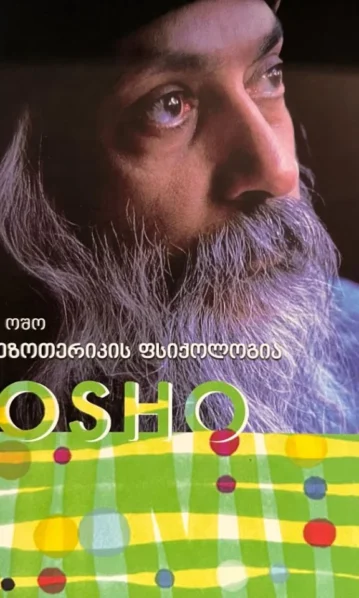
ეზოთერიკის ფსიქოლოგია
21,60 ₾“წიგნის მიზანია ცნობიერების ამაღლება და ტრანსფორმაცია, რომელიც საშუალებას მისცემს მკითხველს გამოიყენოს საკუთარ თავზე მუშაობის ინსტრუმენტად, რათა უკეთ შეიცნოს საკუთარი თავი და გააცნობიეროს, რომ ყველაფერი ჩვენშია და მხოლოდ ჩვენ შეგვიძლია, ვიყოთ საკუთარი თავის საუკეთესო ვერსია.
წიგნში განხილულია კვანტური/ენერგო-ინფორმაციული ველის შესახებ ინფორმაცია, ენერგიის არსი და მნიშვნელობა, ჩაკრალური სისტემა, ცნობიერის და ქვეცნობიერის არსი, იერარქიის კანონი, ბალანსის კანონი და ცხოვრების ოთხი მთავარი სფერო, დესტრუქციული პროგრამების, აზრების და ემოციების გავლენა ადამიანზე და სხვა. წიგნის ბოლო ნაწილში, აქცენტი გავაკეთეთ ჩვენს მთავარ სათქმელზე, რომელსაც ვუწოდეთ გზა ტრანსფორმაციამდე.
ჩვენი მიზანია, მკითხველს შევახსენოთ, რომ ბედნიერების, წარმატების, სიხარულის, ჰარმონიის სათავე ჩვენი „შინაგანი მე“ და განვლილი ცხოვრებაა. არსად არ უნდა ვეძებდეთ იმას, რაც უკვე ჩვენშია. ადამიანები არ ვცხოვრობთ სხვისი წესებით და სხვისი დაწერილი აზრების გათვალისწინებით, ჩვენ ვივითარებთ შინაგან ხედვას, ვითავისუფლებთ გზას შინაგან სამყარომდე, სადაც ყველაფერია, რაც კი ოდესმე წარსმოსახვაში, ფიქრებსა და ოცნებებში გვქონია. “

შინაგანი მოგზაურობა
21,60 ₾“წიგნის მიზანია ცნობიერების ამაღლება და ტრანსფორმაცია, რომელიც საშუალებას მისცემს მკითხველს გამოიყენოს საკუთარ თავზე მუშაობის ინსტრუმენტად, რათა უკეთ შეიცნოს საკუთარი თავი და გააცნობიეროს, რომ ყველაფერი ჩვენშია და მხოლოდ ჩვენ შეგვიძლია, ვიყოთ საკუთარი თავის საუკეთესო ვერსია.
წიგნში განხილულია კვანტური/ენერგო-ინფორმაციული ველის შესახებ ინფორმაცია, ენერგიის არსი და მნიშვნელობა, ჩაკრალური სისტემა, ცნობიერის და ქვეცნობიერის არსი, იერარქიის კანონი, ბალანსის კანონი და ცხოვრების ოთხი მთავარი სფერო, დესტრუქციული პროგრამების, აზრების და ემოციების გავლენა ადამიანზე და სხვა. წიგნის ბოლო ნაწილში, აქცენტი გავაკეთეთ ჩვენს მთავარ სათქმელზე, რომელსაც ვუწოდეთ გზა ტრანსფორმაციამდე.
ჩვენი მიზანია, მკითხველს შევახსენოთ, რომ ბედნიერების, წარმატების, სიხარულის, ჰარმონიის სათავე ჩვენი „შინაგანი მე“ და განვლილი ცხოვრებაა. არსად არ უნდა ვეძებდეთ იმას, რაც უკვე ჩვენშია. ადამიანები არ ვცხოვრობთ სხვისი წესებით და სხვისი დაწერილი აზრების გათვალისწინებით, ჩვენ ვივითარებთ შინაგან ხედვას, ვითავისუფლებთ გზას შინაგან სამყარომდე, სადაც ყველაფერია, რაც კი ოდესმე წარსმოსახვაში, ფიქრებსა და ოცნებებში გვქონია. “


ცხოვრების კონსულტანტი
30,00 ₾თეონა მეგრელიშვილის სადებიუტო რომანი, რომელიც სავსეა თავგადასავლებითა და სასიყვარულო ურთიერთობებით. ოსტატურად არის შეზავებული ფანტასტიკის ელემენტები


ლავანდის სურნელი
20,00 ₾„…და მაინც, ღმერთო, რანაირია ჩვენი სიცოცხლე! ნატვრა ყოველთვის უფრო ლამაზია, ვიდრე სინამდვილე. ამიტომაცაა ალბათ, ოცნებებს რომ გულმოდგინედ ქსოვენ. მტკიცედ და მჭიდროდ, რათა მათმა მიუწვდომლობამ ვერ დაარღვიოს მათივე მარადიულობა. ჯანდაბას, თუ ისინი აუხდენელ ოცნებათა ვრცელი ნუსხაა და მათთან ერთად ადამიანებს სჭირდებათ სილამაზის გამოვლინებები თვალთა სანუგეშოდ – თუნდაც ისინი არ იყვნენ მათნი. სჭირდებათ ცნებებიც, მაცდუნებელი იდეები, ადეპტებად რომ აქცევენ მათ. ოცნებები კი ზოგჯერ ადამიანთა სახეს იღებენ, ისინი ვინმეში განსხეულდებიან და ქმნიან ხატს, დადგამენ კერპს, ხორცს შეასხამენ ქანდაკებას და ვაი, იმ გამოუსწორებელ მეოცნებეთა ბრალი, საკუთარი ქმნილებების ტყვეობაში უნუგეშოდ რომ კვდებიან“.
ასე იწყებს თავის ახალ რომანს მორის როსტიაშვილი – „ლავანდის სურნელი“, სადაც ის მისთვის დამახასიათებელი გულწრფელობითა და თხრობის უჩვეულო მანერით უცნაურ ამბავს გვიამბობს სიყვარულზე. შეიძლება ითქვას, წიგნი ურიერთობებზეა და ამავე დროს ყველაფერზე.
ერთი არაფრით გამორჩეული, თებერვლის ნესტიანი დღე თენდება, როცა მგზავრობის შემდეგ მყუდრო, პროვინციული საპორტო ქალაქის რკინიგზის სადგურზე მატარებლიდან ჩამოსული მთავარი გმირი, ანაზდად იაზრებს, რომ სამხატვრო ნივთები ვაგონში დარჩენია. იმის ნაცვლად, რომ რამე მოიფიქროს, საკუთარ თავზე მწარდება და მატარებელიც დაიძვრება.
დგას გაქვავებული იმაზე ფიქრით, რომ როგორი მხატვარიცაა, საქმესაც შესაბამისი დაუდევრობით ეპყრობა.
,,ამდენი საათი იმისთვის ვიმგზავრე, ავიღე შვებულება და მეძინა შმორის სუნით გაჟღენთილ ვაგონში, რომ დიდი ხელოვანივით ზამთრის ზღვა დამეხატა. ისევ მეგრძნო ადრინდელი აღტკინება. თუმცა, ამოდენა გეგმები სადგურამდეც ვერ ჩამოვიტანე.“ – ფიქრობს იგი.
მაგრამ იმასაც იაზრებს, რომ მისთვის ბოლო დროს ეს მხატვრობაც რაღაც ღირებულის შექმნის სურვილით შეპყრობა უფროა, ვიდრე თვითონ მხატვრობით აღტკინება; ერთ-ერთი მორიგი გეგმა, ისეთი აბსურდული ცხოვრებისათვის აზრის მისანიჭებლად, ნელ-ნელა რომ სჭამს.
თავისი ისედაც სასაცილო და ლამის დამამცირებელი ხელფასი ამ ,,დიდი“ მოგზაურობის სამზადის შეალია და მატარებელი კი მეტისმეტად მოულოდნელად წავიდა… და ასე უბარგოდ დარჩენილი ,,მოგზაური“, რომელსაც ვერ გადაუწყვეტია როგორ მოიქცეს, ქუჩაში ელინას სახეს მოჰკრავს თვალს. სახეს, რომელიც დიდი ხნის წინ ძალიან ნაცნობი იყო. ჯერ რაღაც სიმძიმე დააწვება მკერდთან, მერე მტკივნეულად ჩაივლის მთელ სხეულს, მაგრამ, ეს შეგრძნება ორიოდე წამში გაქრება და გადაწყვეტს რომ ქალის სახე უბრალოდ მოეჩვენებოდა.
მაგრამ, ყველაფერი იმაზე მეტად უცნაურად გრძელდება, ვიდრე ამას უფულოდ და უბარგოდ დარჩენილი უნიჭო მხატვარი იფიქრებდა…

იყო ასეთი ქვეყანა – СССР
17,95 ₾„იყო ასეთი ქვეყანა – CCCP“ ირაკლი ლაითაძის ერთგვარი გასეირნებაა უახლოეს წარსულში. ავტორი მომსწრე და მონაწილეა იმ მოვლენებისა, რომლებიც ძერწავდა საბჭოთა სისტემის საყრდენ თვისებებს: აბსურდს, სიყალბესა და სისასტიკეს. იგი აღწერს და აკავშირებს ტოტალიტარული სისტემის მმართველების პოლიტიკას, გატარებულ რეფორმებსა თუ ადამიანის განადგურების ერთმანეთზე შემზარავ ხერხებს. ირაკლი ლაითაძე პირადი გამოცდილებითაც ჰყვება ურჩხულზე, რომელიც ადამიანებს სულ უფრო და უფრო აშორებდა ცივილიზებულ სამყაროს. ცოტა რამ ნათელ ცხოვრებაზეცაა, ვეშაპის მუცელში აღმოჩენილი ავტორისთვის იმ სიბნელიდან რომ გამოკრთებოდა.
ვინც მოესწრო, გაიხსენებს. ვისაც გაუმართლა და მისთვის მხოლოდ ისტორიაა, გაიცნობს. ვინ იცის, იქნებ, ისე აქამდე რომ არ სმენია.

არაფერი შიშის გარდა
14,95 ₾დანიელი ავტორის, კნუდ რომენის სადებიუტო ავტობიოგრაფიული რომანი, დედისერთა ბავშვის შესახებ,რომელიც იზრდება 1960-იანი წლების ნიუკობინგ ფალსტერში შიზოფრენიით დაავადებულ გერმანელ დედასა და ობსესიურ-კომპულსიური აშლილობის მქონე მამასთან ერთად. რომანი მოგვითხრობს,თუ როგორ აღიქვამს სოციალურ გარიყულობასა და მრტოობას მხუთავ პროვინციულ ქალაქში ბავშვი, რომელიც ფანტაზიისა და სიცოცხლის წყურვილის მეშვეობით საკუთარ სამყაროს ქმნის,რათა თავი დააღწიოს არსებულ კოშმარს და იპოვოს საკუთარი გზა სამყაროში.

მარილი ქვეყნისა
19,95 ₾ყოველ ახალ დროს თუ უდროობას თავისი აღმწერი სჭირდება. ძნელია რაიმე ისეთი გამორჩეული წარუდგინო მკითხველ საზოგადოებას, რაც მანამდე სხვას არ შეუთავაზებია, მაგრამ სხვა ვერავინ დაწერს იმას, რის თქმასაც შენ აპირებ, რაც დაინახე და შენში დაილექა.
გიმძაფრდება განცდა იმისა, რაც ქვეყნად ხდება. არც იმან უნდა შეგაჩეროს, რომ დამაჯერებელი პასუხები სულ უფრო იშვიათია, უპასუხო კითხვები კი – ხშირი. მაგრამ „განზე გადგომა განხიბლულთა და შეშინებულთა ხვედრია“ (ჭაბუა ამირეჯიბი).
კოტე ჯანდიერი ნამდვილად სხვა შემთხვევაა და ამაში მკითხველი თავად დარწმუნდება: „საზოგადოება ღრმად უნდა დაფიქრდეს, სამომავლოდ როგორი სამშობლო უნდა, რა თვისებების მქონე მოქალაქეები უნდა ქმნიდნენ ქვეყნის სხეულს და რა ადგილი უნდა ეკავოს ქართულ სახელმწიფოს ცივილიზებულ ერთა თანამეგობრობაში, ვინ უნდა ვიყოთ ჩვენ – სხვათა მიღწევებისა და მათი დაგროვილი დოვლათის რიგითი მომხმარებლები, სხვების მიერ გაკვალული გზის მტკეპნელები თუ საკუთარი მომავლის შემოქმედნი და ცივილიზაციის საგანძურში, სხვებთან ერთად, რაიმე ღირებულის შემტანნი“.

ინტერვიუ ტერორისტთან
14,95 ₾„თამარ ბელქანიას წიგნს „ინტერვიუ ტერორისტთან“ საინტერესოს ხდის ავტორის არა მხოლოდ ჟურნალისტური გამოცდილება, არამედ პედაგოგიური პრაქტიკაც. მისი მთავარი რეციპიენტები სტუდენტები არიან. სწორედ მათ უნდა გაფილტრონ მომავალში ქართული ჟურნალისტიკა მავნე ტენდენციებისგან და დაამკვიდრონ ისეთი სტანდარტი, რომელიც ჩვენს სახელმწიფოებრივ განვითარებას ეკადრება. თამარ ბელქანიას გზავნილი სტუდენტებისადმი: „შრომისმოყვარეობა, დაუზარებლობა, გამბედაობა, სწრაფვა ახლის შემეცნებისაკენ“ ზუსტია, ხოლო არგუმენტები – სანდო და დამაჯერებელი, ვინაიდან ისინი ამოკრეფილია პირადი პრაქტიკიდან, რომელთა შორის არის მისი ექსკლუზიური ინტერვიუ ტერორისტთან“.

ყურსასმენების რევოლუცია
10,95 ₾ციკო ინაურის „ყურსასმენების რევოლუცია“ ბოროტებაზე გამარჯვების ამბავია. რა თქმა უნდა, სიკეთე და ბოროტება ყოველ ადამიანში თანაარსებობს და ხალხის ბოროტ და კეთილ ადამიანებად დაყოფაც არ არის სწორი, მაგრამ ზოგჯერ, როცა ქვეყანაში ავტორიტარიზმი იკიდებს ფეხს და მხარის არჩევა ხდება საჭირო, ეს ორი პოლუსი თვალსაჩინოდ გამოიკვეთება ხოლმე.
სწორედ ასე ხდება ამ წიგნის ფურცლებზე გამოგონილ სამყაროში, საშიშად რომ ჰგავს ნამდვილს. „ვიღაცას რომ ჰკითხოთ, ამ პატარა ქვეყანაში ომი არ არის“ – ამბობს ავტორი, როცა სისტემის მიერ დასახიჩრებულ, მოკლულ და ღირსებააყრილ ადამიანებზე გვიყვება და შეგვახსენებს, რისთვის არის საჭირო თითოეული ადამიანის შეუპოვრობა.
ლიტერატურას წინასწარმეტყველება შეუძლია. ამის არაერთი მაგალითი არსებობს და ეს, სიმართლე რომ ითქვას, მისი მაგიური კი არა, სრულიად კანონზომიერი მახასიათებელია. ჩვენც იმედი ვიქონიოთ, რომ ამ წიგნის ოპტიმისტურ დასასრულსაც ასეთივე ძალა ექნება.

საუბრები ვეფხისტყაოსანზე
19,95 ₾ცხოვრებამ რუსთაველის უამრავ ჭეშმარიტ მოყვარულთან შემახვედრა. დიაპაზონი უზარმაზარი იყო – ფილოლოგიდან ფიზიკოსამდე, აკადემიკოსიდან გლეხამდე, ასი წლის ბერიკაციდან სამი წლის ბავშვამდე. პირადად ვიცნობდი რამდენიმე ადამიანს, რომლებმაც „ვეფხისტყაოსანი“ ზეპირად იცოდნენ.
ბევრი რამ, რაც რუსთაველზე წამიკითხავს, საინტერესო იყო, ბევრი – გულუბრყვილო, ბევრი – დაუჯერებელი, მაგრამ თითქმის ყველა რაღაცით მნიშვნელოვანი იყო, ალბათ იმიტომ, რომ ყველა სიყვარულით იწერებოდა. რამდენჯერმე წავაწყდი ასეთ მოვლენასაც – ცხოვრების ბოლოს, განურჩევლად პროფესიისა და განვლილი გზისა, ბევრი ქართველი ცდილობს, თავი მოუყაროს და შთამომავლობას დაუტოვოს თავისი აზრები რუსთაველსა და მის პოემაზე, როგორც მთავარ ქართულ მოვლენაზე. მეგონა, რომ ეს ამბავი მე ამცდებოდა. ასე მეგონა დიდხანს, სანამ არ გამიჩნდა რწმენა, რომ ქართველი ლიტერატორი, უბრალოდ, ვალდებულია, რუსთაველზე თავისი ნააზრევი დაგვიტოვოს.

საშიში ინტერპრეტაციები
27,95 ₾ყველაზე თანმიმდევრულად საბჭოთა ეპოქა მაინც დროს ებრძოდა. ამიტომაც მას ეშინოდა ინტერპრეტაციის, რომელიც საუკუნეთა ჭრილში ტექსტის ცხოვრების დანახვის უნიკალური საშუალებაა. სხვა სიტყვებით, ესაა აზრის მარადიული მოძრაობა კლიშეებისა და სტერეოტიპების დასაძლევად.
ინტერპრეტაცია სხვა არაფერია, თუ არა თავისუფალი აზროვნების ერთგვარი კოდი. მისი მოპოვება კი ისეთ სერიოზულ ცნებებს უკავშირდება, როგორიცაა თვითმოქმედება, ინიციატივის გამოჩენა, გონებრივი სიფხიზლე, ნაცვლად ინერტულობისა და შემგუებლობისა. შეიძლება სამყარო ვერ შეცვალო და ამის პრეტენზია, ალბათ, არც უნდა გქონდეს, მაგრამ რწმენა იმისა, რომ „ლიტერატურული სიტყვით შესაძლებელია შენი განცდების წინ წაწევა, განვითარება“, დიდი შვების მომტანია.
მოკლედ, პოსტსაბჭოური ინტერპრეტაციული ნაკადის შესახებ შეიძლება ასეც ითქვას: იდევნებოდა გუშინ, სრულად აღდგა თავის კანონიერ უფლებებში დღეს და იმედია, ხვალაც მკითხველის გზამკვლევად დარჩება.

დაბრუნება
11,95 ₾კითხვებზე პასუხების საპოვნელად და საკუთარი თავის დასაბრუნებლად ანა, მეგობრის რჩევით, ფსიქოლოგს მიმართავს. თერაპიის პროცესი საკუთარ თავში ჩაღრმავებისა და წარსულში მომხდარი, ზოგჯერ მტკივნეული ამბების გახსენების აუცილებლობას აჩენს. სწორედ ასე, ნაბიჯ-ნაბიჯ მივყვებით ანას მოგონებებს – ბავშვობას, სტუდენტობას, პირველ სიყვარულს, კარიერაში გადადგმულ წარმატებულ ნაბიჯებსა და სიხარულს, დანაკარგებსა და სევდას.
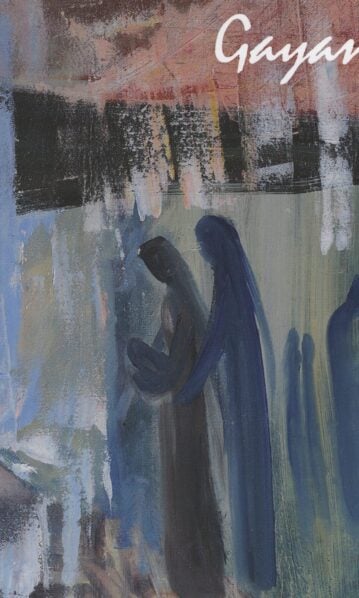
ბამბუკის ტყე
50,00 ₾ამ კატალოგში განთავსებულია ფერწერული ტილოები, რომლებიც წარმოდგენილი იყო პერსონალურ გამოფენაზე “ბამბუკის ტყე”

მიტოვებული ქალი
12,95 ₾წიგნი წარმოადგენს ფრანგი კლასიკოსის, ონორე დე ბალზაკის მოთხრობების კრებულს, რომელშიც შესულია მწერლის ორი ფსიქოლოგიური მოთხრობა : “მიტოვებული ქალი” და “ქალის ეტიუდი”

ნამასტე
17,95 ₾სანსკრიტული Namaste ორი სიტყვისგან შედგება (Namas – ” პატივს გცემ, გეთაყვანები“ და te – ” შენ“) და მისი პირდაპირი მნიშვნელობაა ” მე შენ გეთაყვანები“, ხოლო ინდური სწავლება, რომელსაც ნამასტე ითვალისწინებს, სტრესისა და შფოთვისაგან თავის დაღწევის, ადამიანის შემოქმედებითი ბუნების სრულყოფის, ფიზიკური, გონებრივი და სულიერი განვითარების საშუალებების დაუფლებაათვისებას გვთავაზობს. ” იკიგაისა“ და მრავალი სხვა ბესტსელერის ავტორები – ჰექტორ გარსია და ფრანსესკ მირალესი ამ წიგნით გვაძლევენ შესაძლებლობას შევაღწიოთ მრავალსაუკუნოვანი მოძღვრების სამყაროში, რომელიც ლამის ცივილიზაციის გაჩენის დღიდან არსებობს და, რაც მთავარია, დღევანდელი და სრულყოფილი მომავალი ცხოვრების უზრუნველყოფის გასაღებს შეიცავს.

მსხვერპლნი
14,95 ₾“თინათინ ბერიძის მსხვერპლნი“ ერთგვარად დახურულკარსმიღმიერ პრობლემაზე – ფემიციდზეა. სიუჟეტი ძალადობის მსხვერპლ ქალთა დაუჯერებელ, სასტიკ და აღმაშფოთებელ ისტორიებზეა აგებული. იმავდროულად კი ნაწარმოებს მთავარ ხაზად ფემიციდის გათამაშებული””, დადგმული „სცენა“ გაჰყვება. ძალადობა ოჯახში, სამსახურში, ქუჩაში, სკოლაში… ძალადობის ერთი შემთხვევა და… დანგრეული სიყვარული. დაკარგული ნდობა, დათმობილი თავისუფლება… მერე ასეც შეიძლება მოხდეს: ვიღაცამ(!) მსხვერპლსა და მოძალადეს როლები შეუცვალოს! ერთ დღესაც კი წიგნის მთავარმა გმირმა, კესანემ აღმოაჩინოს, რომ…”

უკანასკნელი დონი
16,95 ₾დიდი მაფიოზური ოჯახის ისტორიის ცენტრშია ასაკში შესული და ძალადობით დაღლილი დონი,რომელიც ცდილობს ოჯახის სისხლიანი საქმეები სამართლებრივ ჩარჩოში მოაქციოს,თავის ბიზნესს ლეგალური სახე მისცეს,თუმცა მის სურვილებს წითელ ლაქად გასდევს წარსული ძალადობისა და კლანის შიგნით არსებული კონფლიქტების კვალი.,,უკანასკნელი დონის” მთავარი წინააღდეგობა ძველსა და ახალ თაობებს შორის არსებული განსხვავებული ხედვებია,რომლებიც ვლინდება ისეთ სამყაროში,სადაც ძალადობა,ერთგულება,შურისძიება და ძალაუფლების დინამიკა განსაზღვრავს

მემკვიდრეობის თამაშები
16,95 ₾17 წლის გოგონას 4 მილიარდ დოლარს უანდერძებს სრულიად უცნობი მილიარდერი მხოლოდ იმიტომ, რომ გამოცანები, ანაგრამები და თავსატეხები უყვარს. მემკვიდრეობის თავისი წილის მისაღებად გოგონაც იძულებულია სარისკო თამაშში ჩაერთოს, რის დროსაც ახირებული მოხუცის ოჯახის არაერთ საიდუმლოს აეხდება ფარდა და სიკვდილსაც ჩახედავს თვალებში, რადგან სისხლისმიერ მემკვიდრეებს სულაც არ სურთ უზარმაზარი ქონების დათმობა.

ბრენდის უფსკრული
16,95 ₾როგორ შევამციროთ ბიზნესსტრატეგიასა და დიზაინს შორის არსებული მანძილი? იშვიათია ასეთი თხელტანიანი წიგნი, რომელშიც ამდენი იდეაა თავმოყრილი… საკონფერენციო ოთახებში გამოსაყენებელი ვიზუალური საკომუნიკაციო ელემენტების დახმარებით, ნიუმაიერი წარმოგვიდგენს ბრენდინგის პირველ უნიფიცირებულ თეორიას ხუთი დისციპლინის ნაკრებს, რომელიც კომპანიებს ბრენდის სტრატეგიის შემუშავებასა და მის განხორციელებას შორის ხშირად გაჩენილი უფსკრულის გადალახვაში დაეხმარება. ვისაც კი ბრენდინგზე გარკვეული წარმოდგენა აქვს, მისთვის ეს წიგნი შთაგონების წყაროდ იქცევა, ხოლო ვისაც უბრალოდ სურს, ეს კონცეფცია უკეთ გაიგოს, უეცრად „გონებას გაუნათებს“. ეს წიგნი ორგანიზაციაში ყველასთვის ხელმისაწვდომად აქცევს ალბათ ყველაზე ძლიერ ბიზნესინსტრუმენტს, რომელიც კი ელექტრონული ცხრილების შემდგომ შექმნილა. ეს პირველი წიგნია ბრენდინგზე, რომელიც ერთდროულად ორიგინალურიც არის და რელევანტურიც. რიკ გრეფი, დიზაინერების პროფესიული ასოციაციის, AIGA-ს, აღმასრულებელი დირექტორი წაიკითხეთ, სანამ თქვენი კონკურენტები დაგასწრებენ.

Игры, в которые играют люди (нов. оф.)
29,00 ₾Перед вами одна из культовых книг по психологии человеческих взаимоотношений. Эрик Берн разработал систему, способную избавить человека от влияния жизненных сценариев, программирующих его поведение, научить его меньше играть в отношениях с собой и другими, обрести подлинную свободу и побудить к личностному росту. В этой книге вы найдете много полезных советов, которые помогут понять природу человеческого общения, мотивы собственных и чужих поступков и причины возникновения конфликтов. По мнению автора, судьба каждого из нас во многом определяется еще в раннем детстве, однако в зрелом возрасте можно научиться управлять ею, если этого захотеть. Именно с публикации этого международного бестселлера после падения железного занавеса в нашей стране начался психологический бум, когда миллионы людей осознали, что с помощью психологии можно многое понять в себе и окружающих.

Антихрист. Ecce Homo
22,00 ₾В сборнике представлены два произведения Фридриха Ницше – “Антихрист” и “Ecce Homo” – последние, написанные им до того, как безумие окончательно поглотило его разум.
“Антихрист” – скандальная книга, где Ницше ставит под вопрос сущность христианства, книга-протест против выбранного церковью пути. “Ecce Homo” – набор автобиографических заметок, написанных, по словам Ницше, за месяц.

Человеческое, слишком человеческое
20,00 ₾“Человеческое, слишком человеческое” – произведение, важное с точки зрения развития творчества Ницше. В нем он переосмысливает значение своих идеалов и отказывается от них, разочаровывается в трудах своих кумиров. Ницше ищет свободу и освобождение от прописных истин и постепенно приходит к тем неординарным и эксцентричным мыслям, по которым мы его знаем в произведениях “Так говорил Заратустра” и “По ту сторону добра и зла”.

Атомные привычки. Как приобрести хорошие привычки и избавиться от плохих (мягкая обложка)
35,00 ₾Бестселлер New York Times
Бестселлер USA Today
Лучшая деловая книга 2018 года по версии Fast Company
Лучшая книга по самопомощи 2018 года по версии Business Insider
Может ли одна монетка сделать человека богатым? Конечно, нет, скажете вы. Но если добавить еще одну? И еще? И еще? В какой-то момент количество перейдет в качество.
А теперь представьте, что одно крошечное изменение кардинально меняет всю жизнь. Звучит фантастически! Но, как и в случае с монетками, срабатывает эффект сложного процента. И вот уже маленькое, но регулярное действие привело к большим результатам.
Атомные привычки — маленькие изменения, в которых скрыта огромную мощь! Вы давно пытаетесь измениться, но не получается. Не корите себя! Виноваты не вы, а система. Джеймс Клир развенчивает мифы о привычках, мотивации и силе воли. Опираясь на научные данные, результаты исследований, личный опыт и опыт успешных людей, он просто и понятно объясняет, как сделать хорошие привычки неизбежными, а вредные — невозможными. Без вариантов!