ფილოსოფია
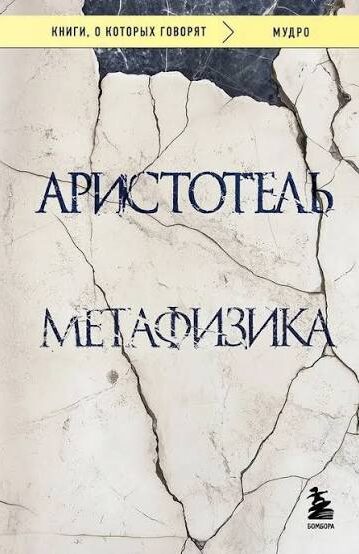
სამი ნაშრომი
18,00 ₾წიგნი წარმოადგენს ძველი ბერძენი ფილოსოფოსის, არისტოტელეს (ძვ.წ. 384-322) ნაშრომების კრებულს, რომელშიც შესულია ფილოსოფოსის სამი ნაშრომი „ძილისა და ღვიძილის შესახებ“, „სიზმართა შესახებ“ და „ძილში წინასწარმეტყველების შესახებ“.
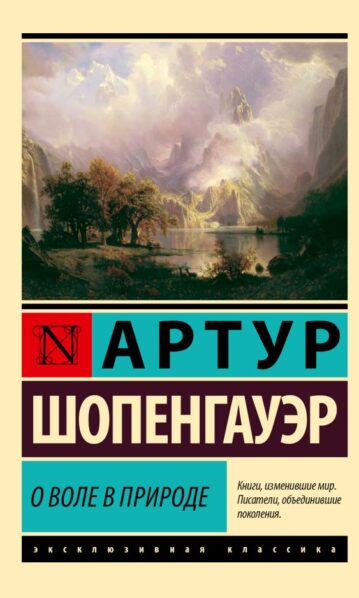
ცხოვრების ამაოება და სიმწარენი
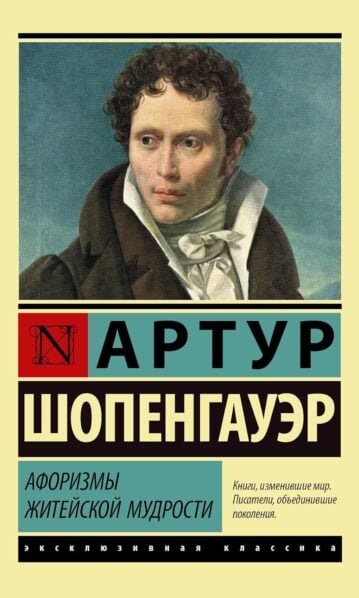
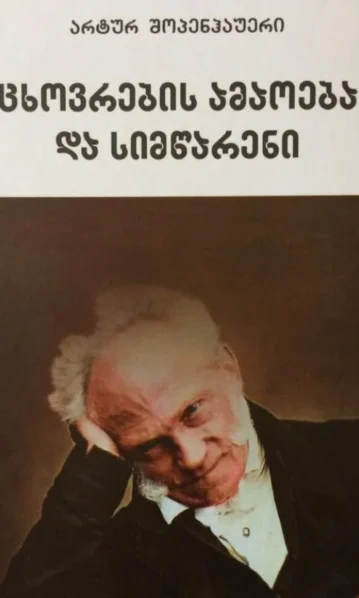
37,00 ₾წინამდებარე წიგნი დიდი გერმანელი ფილოსოფოსის – არტურ შოპენჰაუერის ე.წ. მცირე თხზულებათა კრებულია, მისი მთარგმნელის – ზურაბ ხასაიას კომენტარებითურთ. ზურაბ ხასაიამ 2012 წელს გამოსცა შოპენჰაუერის რამდენიმე თხზულების კრებული, რომლის სათაურად გამოტანილი იყო წიგნში მოთავსებული ერთერთი თხზულების სათაური – „ცხოვრებისეული სიბრძნის აფორიზმები“.
იმ კრებულში შოპენჰაუერის ხსენებული სახელგანთქმული ქმნილების მხოლოდ ნახევარი იყო წარმოდგენილი. ამ წიგნში კი ეს თხზულება სრულადაა თარგმნილი და, შესაბამისად, დამატებულია სათანადო კომენტარები. აგრეთვე დამატებულია შოპენჰაუერის ორი სხვა თხზულება მთარგმნელის კომენტარებითურთ. მათ შორის ერთი („ქალებისთვის“) დამატებულია იმ მოტივით, რომ იგი მთარგმნელს განსაკუთრებით აქტუალურად მოეჩვენა ჩვენი დროისთვის. ამ წიგნში ერთმანეთს ერწყმის სამი სიკეთე.
პირველი: თარგმნილია მსოფლიოს ფილოსოფიური საგანძურის ნამდვილი მარგალიტი – გენიალური ფილოსოფოსის და კალმოსანის წიგნი-შედევრი, რომელშიც აზრის სიღრმე და სინათლე თანაბრად ანცვიფრებს ადამიანს. მეორეა თარგმნის უაღრესად დახვეწილი ხელოვნება, რასაც გვთავაზობს ზურაბ ხასაია – ცნობილი ფილოსოფოსი და პოეტი.
მკითხველი ამ წიგნის ნებისმიერი ადგილის კითხვისას დარწმუნდება, რომ კითხულობს დედანს და არა თარგმანს. ეს არის შოპენჰაუერის ამეტყველება ქართულად. და ბოლოს: მთარგმნელისეული კომენტარები აზროვნების სიღრმითა და სინათლით სრულიად შეეფერება გერმანელი ფილოსოფოსის დიდებულ ტექსტს და ამშვენებს მას. ეს ყოველივე გვაძლევს საფუძველს გვწამდეს: წიგნი „ცხოვრების ამაოება და სიმწარენი“ ძვირფასი საჩუქარია ჭეშმარიტი ქართველი მკითხველისთვის.
მეორე ტრაქტატი სამოქალაქო მმართველობაზე & წერილი შემწყნარებლობის შესახებ
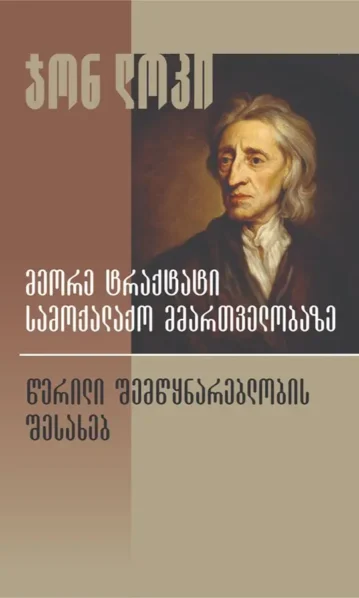
28,50 ₾წიგნში შევიდა დიდი ინგლისელი ფილოსოფოსის ჯონ ლოკის (1632-1704) ორი ყველაზე მნიშვნელოვანი პოლიტიკური ნაშრომი.
პირველი (მეორე ტრაქტატი სამოქალაქო მმართველობაზე), აყალიბებს ძირითად პრინციპებს, რასაც თანამედროვე ლიბერალური დემოკრატია ემყარება.
მეორე უფრო მცირე ზომის (წერილი შემწყნარებლობის შესახებ), ასაბუთებს სეკულარიზმს, ეკლესიისა და სახელმწიფოს გამიჯვნის აუცილებლობას როგორც გამართული სახელმწიფო წყობის, ისე ქრისტიანული (ან სხვა) რელიგიისთვის.
ტრაქტატი ტოლერანტობის შესახებ
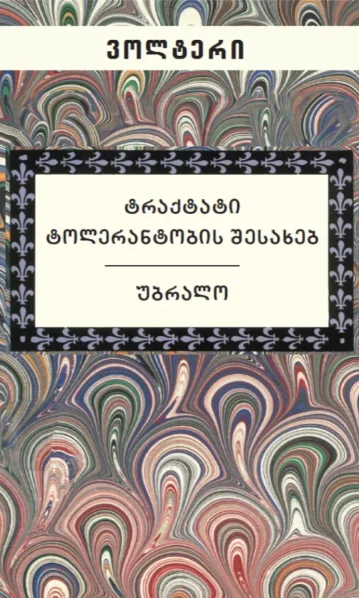
25,00 ₾…გაუგებარია, როგორ შეიძლება ერთმა მეორეს უთხრას: „ირწმუნე ის, რისიც მწამს, და რაც არ შეგიძლია, რომ ირწმუნო, თორემ მოკვდები… „ირწმუნე, თორემ მოგიძულებ; ირწმუნე, თორემ ყველანაირად გავნებ, როგორც შემეძლება; ურჩხულო, ჩემი რელიგიისა არა გწამს, მაშასადამე, რელიგია არ გაგაჩნია: ღირსი ხარ საშინლად მოგეპყრან სამეზობლოში, ქალაქში, პროვინციაში.“
ამგვარი საქციელი რომ ადამიანური სამართლიდან მომდინარეობდეს, მაშინ იაპონელი ჩინელს უნდა მტრობდეს, ჩინელი სიამელს ვერ იტანდეს; სიამელი დევნიდეს განგელს, ეს უკანასკნელი კი თავს ესხმოდეს ინდოელს; მონღოლი პირველსავე შემხვედრ მალაბარელს მკერდიდან გულს აგლეჯდეს, მალაბარელი სპარსელს ყელს ჭრიდეს, სპარსელი თურქს აღუვლენდეს წირვას: ხოლო ყველანი ერთად მუსრს ავლებდნენ ქრისტიანებს, რომლებიც მათ გარეშეც დიდი ხანია ერთმანეთს ჟლეტენ.
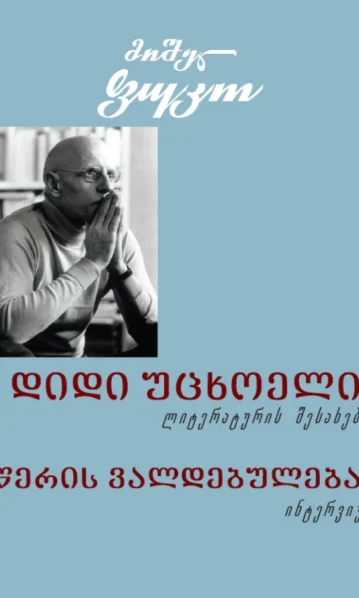
დიდი უცხოელი
25,00 ₾„ვფიქრობ, შეგვიძლია ვთქვათ, რომ არსებითად, დღეს ჩვენ აღარ გვჯერა პოლიტიკური თავისუფლების, და ოცნება, ყბადაღებული ოცნება ბორკილახსნილ ადამიანზე დღეს უკვე სასაცილოდ იქცა. მრავალ ქიმერას შორის, რა დაგვრჩა ჩვენ? რამდენიმე სიტყვის ნაცარი. და ჩვენს შესაძლებლობას, ჩვენს დღევანდელ შესაძლებლობას, უკვე აღარ ვანდობთ არც საგნებს, არც ადამიანებს, არც ისტორიას, არც ინსტიტუციებს, ჩვენ მას ნიშნებს ვანდობთ.
სამყაროში, სადაც ღმერთი საბოლოოდ მკვდარია და სადაც იციან, მიუხედავად დაპირებებისა, მარჯვნიდან იქნება თუ მარცხნიდან, რომ ვეღარ იქნებიან ბედნიერები, ენა იქცევა ჩვენს ერთადერთ რესურსად, ერთადერთ წყაროდ. ჩვენი მეხსიერების ორმოში, და ჩვენს ყოველ სიტყვაში, ყოველ სიტყვაში, რომელიც ჩვენს თავში დაჭენაობს, გიჟად ყოფნის დიდებული თავისუფლება გვიბრუნდება. და შესაძლოა ამიტომაცაა, რომ ჩვენს ცივილიზაციაში შეშლილობის გამოცდილება გამორჩეულად მწარეა და გარკვეულწილად, ჩვენი ლიტერატურის საზღვარსაც წარმოადგენს, რომლის მიღმაც უღრანი ტყეა.
ტყუილია, რომ ენა საგნებს მიემართება იმისთვის, რათა ისინი თარგმნოს; საგნები, პირიქით, ენაში შეცულან და შეხვეულან ჩაძირული განძივით, ჩუმად, ზღვის დიად გრგვინვაში. სიტყვები, მათი შემთხვევითი შეხვედრა, მათი არევა, მათი პროტოპლაზმური ტრანსფორმაციები სრულიად საკმარისია იმისთვის, რომ ერთდროულად ნამდვილი და ფანტასტიკური სამყარო იშვას, ჩვენს ბავშვობაზე ბევრად ძველი…“
მიშელ ფუკო