
ხელოვნება
ფიროსმანი – წიგნი-ალბომი (სამენოვანი)
150,00 ₾“სამენოვანი წიგნი-ალბომი: “”ნიკო ფიროსმანი – ცხოვრება და შემოქმედება””, ავტორი: თემო ჯაფარიძე.
წიგნის ქართველ, ფრანგ და ინგლისურენოვან მკითხველს საშუალება აქვს, გაეცნოს, აწ გარდაცვლილი მწერლისა და მხატვრის, თემო ჯაფარიძის ძალიან საინტერესო და სიღრმისეულ ნარკვევს ფიროსმანზე, რომელიც მან 1998 წელს დაწერა და მცირე კრებულად გამოსცა.
ჯაფარიძე მოგვითხრობს ხშირად ნაკლებად ცნობილ ბიოგრაფიულ დეტალებსა და ამბებს ფიროსმანის ცხოვრებიდან, და იმავდროულად, ცდილობს გაიაზროს ფიროსმანის ფენომენი და მისი შემოქმედება ფართო, ევროპულ კონტექსტში;
როგორც ჯაფარიძე აღნიშნავს, “”ფიროსმანის ხელოვნებამ შექმნა საქართველოს სიმბოლო, მისი ერთგვარი ხატი და, იმავდროულად, თავად ფიროსმანი იქცა ხატად. უქონელი, მაგრამ სულიერად მდიდარი; გამჭრიახი, კეთილმოსურნეთა და არაკეთილმოსურნეთათვის თანაბრად გაუგებარი; ცხოვრების უსამართლობების პირისპირ უძლური და მაინც თავისი მოწოდების ერთგული; ღრმად ემოციური და სიტყვაძვირი; რთული ხასიათის და გულუბრყვილობამდე დიდსულოვანი – აი, ასეთია ფიროსმანი”
სიტყვა, როგორც მუსიკა და მოძრაობა – დასავლური ლიტერატურა მარიამ ალექსიძის შემოქმედებაში
85,00 ₾თსუ-ს პროფესორის, დავით მაზიაშვილის ახალ მონოგრაფიაში “სიტყვა, როგორც მუსიკა და მოძრაობა” შესწავლილი და გააზრებულია თანამედროვე ბალეტის ქართველი ქალი ქორეოგრაფის, მარიამ ალექსიძის შემოქმედებაში თანამედროვე ქორეოგრაფიით გარდასახული დიდი ლიტერატურული ტექსტები და ამ ტექსტების ქორეოგრაფიული მხატვრულ-გამომსახველობითი ფორმები. კერძოდ, ნაშრომში მრავალმხრივ და კომპლექსურად გამოკვლეულია დიდი ევროპელი მწერლებისა და მოაზროვნეების; ევრიპიდეს, ოვიდიუსის, ბოეთიუსის, დანტეს, შექსპირის, ჯეიმ ჯოისის და ქართველი პოეტი ქალის, მარიჯანის შემოქმედების რეცეფცია-ადაპტაციის და ინტერპრეტაციის საკითხები მარიამ ალექსიძის 2016-2024 წლების თანამედროვე ქართულ საბალეტო და ქორეოგრაფიულ წარმოდგენებში; “შექსპირი.სიყვარული”, “მეტამოროზები”, “მარიჯანის ოთახი”, “ლუჩიას ოთახი”, “12 პაემანი”, “ბეატრიჩე”, და “მედეა”./ Professor David Maziashvili’s new work Word as Music and Movement offers an in-depth analysis of the great world literary samples adapted by Mariam Aleksidze, the first Georgian female choreographer of contemporary ballet. More specifically, the book presents a multifaceted study of the European writers and philosophers, among them: Euripides, Ovid, Boethius, Dante, Shakespeare, James Joyce and Marijan, one of the first Georgian female poets, offering the insight into the reception-adaptation approach and their interpretation in Mariam Aleksidze’s contemporary Georgian ballet and choreography of 2016-2024 performances, namely: Shakespeare: Love, Metamorphoses, Marijan’s Room, Lucia’s Room, 12 Visits, Beatrice and Medea. The Giorgi Aleksidze Tbilisi Contemporary Ballet dancers will perform fragment from Mariam Aleksidze’s performances as part of the book presentation.
Mucha
58,00 ₾Delicate illustration that defined an era
With his instantly recognizable decorative style, Czech artist and Art Nouveau master Alphonse Mucha (1860–1939) defined the look of the fin-de-siècle. In evocative shades of peach, gold, ochre, and olive, his seductive compositions of patterns, flowers, and beautiful women became paradigms of the Belle Époque years.
Mucha’s work permeated illustration, posters, postcards, and the advertising designs of his day. His striking posters of star actress Sarah Bernhardt were particularly famous. Alongside this delicate decorative work, Mucha also harbored strongly felt political ideas. With his monumental cycle The Slav Epic, he expressed his staunch support for Pan-Slavism, promoting the political independence of the Czech and Slavic nations from the Austro-Hungarian Empire.
Compiled in association with the Mucha Foundation, this book presents key works and introduces the full reach of Mucha’s œuvre from patterned decoration to his book illustrations, posters, photographs and monumental paintings.
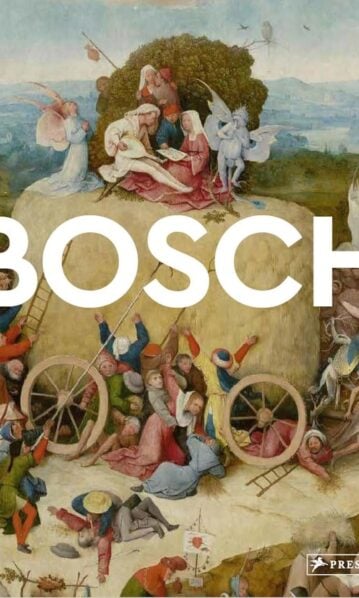
Bosch
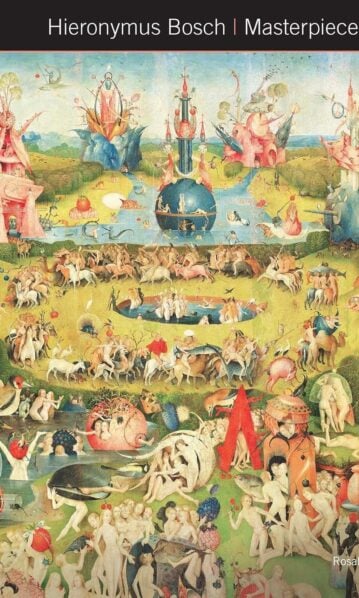
58,00 ₾Hieronymus Bosch’s meticulous visions of the grotesque, debauched, and divine
As cryptic as they are compelling, the masterpieces of Hieronymus Bosch (c. 1450–1516) remain some of the most enduring enigmas of the art world. Their intricate, allegorical, and often startling content has captivated not only art historians, but also fashion designers, rock stars, writers, and punk rockers, as well as countless modern and contemporary artist successors.
Although rooted in the Old Netherlandish tradition, Bosch developed a highly subjective, richly suggestive style to render both the celestial bliss of heaven and the grotesque tortures of hell, most famously and meticulously excecuted in The Garden of Earthly Delights. Here, as in his other known works, his artistic language combined religious humility with a razor-sharp wit, often playing off pictorial versions of contemporary proverbs or figures of speech.
This book ties together the elusive threads of Bosch’s oeuvre to provide a concise introduction to an at once haunting and enthralling pictorial world.
Turner
58,00 ₾Turner’s iridescent tableaux
In the work of Joseph Mallord William Turner (1775–1851) lies an impact akin to a sudden acquisition of sight. His landscapes and seascapes scorch the eye with such ravishing light and color, with such elemental force, it is as if the sun itself were gleaming out of the frame.
Appropriately known as “the painter of light,” Turner worked in print, watercolor, and oils to transform landscape from serene contemplative scenes to pictures pulsating with life. He anchored his work to the River Thames and to the sea, but in the historical context of the Industrial Revolution, also integrated boats, trains, and other markers of human activity, which juxtaposes the thrust of civilization against the forces of nature.
This book covers Turner’s illustrious, wide-ranging repertoire to introduce an artist who combined a traditional genre with a radical modernism.
Rubens
58,00 ₾Meet Sir Peter Paul Rubens, master painter and polymath
There are over 1,000 catalogued works by Sir Peter Paul Rubens (1577–1640), the 16th-century flag bearer for Baroque drama, movement, and sensuality. This essential introduction takes in the most important works from this astonishingly prolific oeuvre to explore Rubens’s influences and innovations, and his remarkable visual, and art historical, impact.
The richly illustrated survey takes in Rubens’s portraits, landscapes, and historical paintings, as well as his famed and bountiful nudes. Along the way, we examine the artist’s astonishing technique and his deft ability to depict narrative in a compelling and legible visual form, whether an erotic mythological scene or a tender biblical story. This remarkable artistic bravura is placed in context both within Rubens’s long art historical legacy through Van Dyck, Velázquez, and beyond, and his other talents as a classical scholar, diplomat, and knight.
Schiele
58,00 ₾Radical and all-revealing figures
With his graphic style, figural distortion, and defiance of conventional standards of beauty, Egon Schiele (1890–1918) was a pioneer of Austrian Expressionism and one of the most startling portrait painters of the 20th century.
Mentored by Gustav Klimt, Schiele dabbled in a glittering Art Nouveau style before developing his own much more gritty and confrontational aesthetic of sharp lines, lurid shades, and mannered, elongated figures. His prolific portraits and self-portraits stunned the Viennese establishment with an unprecedented psychological and sexual intensity, favoring erotic, exposing, or unsettling poses in which he or his sitters cower on the floor, languish with legs akimbo, glower at the viewer, and thrust their genitalia into the foreground. His models are at times skeletal and sickly, at other times strong and sensual.
Many contemporaries found Schiele’s work to be not only ugly but morally objectionable; in 1912, the artist was briefly imprisoned for obscenity. Today, his oeuvre is celebrated for its revolutionary approach to the human figure and for its direct and particularly fervent, almost furious brand of draftsmanship. This book presents key Schiele works to introduce his short but urgent career and his profound contribution to the development of modern art, which reaches right through to such contemporary talents as Tracey Emin and Jenny Saville.
Hundertwasser
58,00 ₾Friedensreich Hundertwasser, hero of fluid forms and ecology
Vivid color, organic forms, and a loathing of straight lines were just a few stalwart characteristics in the unique practice of Friedensreich Hundertwasser (1928–2000). A non-conformist hero, the artist, architect, and activist left a blazing trail of imagination and ideas in buildings, paintings, manifestos, initiatives, and more.
Hundertwasser’s best-known work is considered by many to be the Hundertwasserhaus in Vienna, a structural synthesis of the vitality and uniqueness that determined the artist’s entire oeuvre. For Hundertwasser, rational, sterile, monotonous buildings caused human misery. He called for a boycott of the modernist paradigm championed by the likes of Adolf Loos, and campaigned instead for an architecture of creative freedom and ecological commitment. A fierce opponent of straight lines, which he called “godless and immoral,” Hundertwasser was fascinated by the spiral, drawing also on the Secessionist forms of Klimt and Schiele.
This richly illustrated book traces Hundertwasser’s style and vision not only for each building, but for society at large. From naked addresses at the end of the 1960s to worldwide architecture projects and alternative blueprints for society, author Pierre Restany explores Hundertwasser’s most high-profile and innovative ideas in a thrilling introduction to a pioneering 20th-century mind.
Dürer
58,00 ₾The art, theory, and woodcut print revolution of Albrecht Dürer
A polymath of the German Renaissance, Albrecht Dürer (1471–1528) was a prolific artist, theorist, and writer whose works explored everything from religion to art theory to philosophy. His vast body of work includes altarpieces, portraits, self-portraits, watercolors, and books, but is most celebrated for its astonishing collection of woodcut prints, which transformed printmaking from an artisan practice into a whole new art form.
Dürer’s woodcuts astonish in scale as much as detail. Through works such as Apocalypse and the Triumphal Arch for Emperor Maximilian I, he created dense, meticulous compositions that were much larger, much more finely cut, and far more complex than any earlier woodcut efforts. With an ambitious tonal and dynamic range, he introduced a new level of conceptual, emotional, and spiritual intensity. His two major woodcut series on Christ’s Passion, named The Large Passion and The Small Passion after their size, are particularly remarkable for their vivid human treatment of the Christian narrative. In his copper engraving, Melancholia I, meanwhile, Dürer created a startling vision of emotional ennui, often cited as a defining early image of a depressive or melancholic state.
Ever inquisitive, Dürer absorbed ideas not only from masters and fellow artists in Germany but also from Italy, while his own influence extended across Europe for generations to come. In this essential TASCHEN introduction, we explore this pioneering figure’s complex practice, his omnivorous intellect, and the key works which shaped his enduring legacy.
Caravaggio
58,00 ₾The Baroque genius who electrified art history
Michelangelo Merisi da Caravaggio (1571–1610) was always a name to be reckoned with. Notorious bad boy of the Italian Baroque, the artist was at once celebrated and controversial, violent in temper, precise in technique, a creative master, and a man on the run.
Though famed for his dramatic use of color, light, and shadow, it was above all Caravaggio’s boundary-breaking naturalism which scorched his name into the annals of art history. From the dirtied soles of feet to the sexualized languor of bare flesh, the artist allowed even sacred and biblical scenes to unfold with a startling, often visceral humanity. This vivid pictorial world was accompanied by an equally intense personal biography, scored by gambling, debts, drunken brawls, and even a murder charge.
This book brings together more than 50 of Caravaggio’s most famous and revolutionary works to explore how and why this artist is now considered the most important painter of the early Baroque period and one of the defining influences of art history, without whom Ribera, Vermeer, Rembrandt, Delacroix, Courbet, and Manet could never have painted the way they did.
Cubism
58,00 ₾Deconstructing perspective with Picasso and peers
Pioneered by Picasso and Braque, Cubism has been described as the first avant-garde art movement of the 20th century. With inspiration from African and Native American art and sculpture, its practitioners deconstructed European conventions of viewpoint, form, perspective to create flattened, fragmented, and revolutionary images.
Picasso’s celebrated painting Les Demoiselles d’Avignon is typically regarded as the original cubist work, with its radical fracturing of objects and figures into distinct areas, corresponding to multiple different viewpoints. Cubism thereafter developed two distinct trends: Analytical Cubism, which continued to interweave perspectival planes in muted blacks, greys and ochre, and later Synthetic Cubism, characterised by simpler shapes, brighter colors, and collage elements such as newspaper.
This book presents the prime protagonists of Cubism, with work from artists including Pablo Picasso, Georges Braque, Fernand Léger, Juan Gris, Albert Gleizes, and Robert Delaunay.