

წიგნების კატალოგი

Religion: The Basics
Original price was: 72,00 ₾.58,00 ₾Current price is: 58,00 ₾.From the local to the global level. religion is – more than ever – an important and hotly debated part of modern life in the twenty-first century.
From silver rings to ringtones and from clubs to headscarves. we often find the cultural role and discussion of religion in unexpected ways.
Now in its second edition. Religion: The Basics remains the best introduction to religion and contemporary culture available. The new edition has been fully revised and updated. and includes new discussions of:
the study of religion and culture in the twenty-first century
texts. films and rituals
cognitive approaches to religion
globalization and multiculturalism
spirituality in the West
popular religion.
With new case studies. linking cultural theory to real world religious experience and practice. and guides to further reading. Religion: The Basics is an essential buy for students wanting to get to grips with this hotly debated topic.
Public Relations: The Basics
Original price was: 72,00 ₾.58,00 ₾Current price is: 58,00 ₾.Public Relations: The Basics is a highly readable introduction to one of the most exciting and fast-paced media industries. Both the practice and profession of public relations are explored and the focus is on those issues which will be most relevant to those new to the field:
The four key phases of public relations campaigns: research. strategy. tactics and evaluation.
History and evolution of public relations.
Basic concepts of the profession: ethics. professionalism and theoretical underpinnings.
Contemporary international case studies are woven throughout the text ensuring that the book is relevant to a global audience. It also features a glossary and an appendix on first steps towards a career in public relations making this the book the ideal starting point for anyone new to the study of public relations..
Psychology
Original price was: 69,00 ₾.55,00 ₾Current price is: 55,00 ₾.This compact introduction is the ideal primer for anyone looking for an accessible overview of the basic principles of psychology. the fascinating science of mind and behavior.
In everyday life we often ask why people act the way that they do. especially when we encounter or hear about puzzling behavior. Psychology: The Basics introduces everyday explanations of behavior. considering them through a psychological lens. Illustrating how behavior can be explained through fundamental psychological principles. the book covers the core areas of cognitive. developmental. and social psychology as well as behaviorism. the human brain. our emotions. personality and individual differences. and psychological disorders.
This book. which includes further reading in each chapter for those wishing to study more deeply. is the perfect easy-to-understand introductory text for students. teachers. health personnel. human resource managers. administrators. and anyone interested in the human mind and behavior.
Media Studies: The Basics
Original price was: 72,00 ₾.58,00 ₾Current price is: 58,00 ₾.Fully updated and revised. the second edition of Media Studies: The Basics is the ideal guide to the changing landscape of media and Media Studies.
There have been seismic shifts in what constitutes (the) media in recent years with technological advances ushering in whole new categories of producers. consumers and modes of delivery. This has been reflected in the way media is studied with new theories. concepts and practices coming to the fore. This new edition addresses core questions including:
Who. or what. are the media?
What are the key terms and concepts used in analysing media?
Where have new media technologies had the biggest impact?
How. and by whom. is media made in the 21st century?
Featuring new case studies. an updated glossary and suggestions for further reading. this is the ideal introduction to Media Studies today for both A Level and undergraduate students.
Magic: The Basics
Original price was: 72,00 ₾.58,00 ₾Current price is: 58,00 ₾.Magic: The Basics is a concise and engaging introduction to magic in world history and contemporary societies. Presenting magic as a global phenomenon which has manifested in all human cultures. this book takes a thematic approach which explores the historical. social. and cultural aspects of magic.
Key features include:
attempts to define magic either in universal or more particular terms. and to contrast it with other broad and potentially fluid categories such as religion and science;
an examination of different forms of magical practice and the purposes for which magic has been used;
debates about magic’s effectiveness. its reality. and its morality;
an exploration of magic’s association with certain social factors. such as gender. ethnicity and education. among others.
Offering a global perspective of magic from antiquity through to the modern era and including a glossary of key terms. suggestions for further reading and case studies throughout. Magic: The Basics is essential reading for anyone seeking to learn more about the academic study of magic.

Logic: The Basics
Original price was: 72,00 ₾.58,00 ₾Current price is: 58,00 ₾.Logic: The Basics is an accessible introduction to several core areas of logic. The first part of the book features a self-contained introduction to the standard topics in classical logic. such as:
· mathematical preliminaries
· propositional logic
· quantified logic (first monadic. then polyadic)
· English and standard ‘symbolic translations’
· tableau procedures.
Alongside comprehensive coverage of the standard topics. this thoroughly revised second edition also introduces several philosophically important nonclassical logics. free logics. and modal logics. and gives the reader an idea of how they can take their knowledge further. With its wealth of exercises (solutions available in the encyclopedic online supplement). Logic: The Basics is a useful textbook for courses ranging from the introductory level to the early graduate level. and also as a reference for students and researchers in philosophical logic.

Judaism: The Basics
Original price was: 69,00 ₾.55,00 ₾Current price is: 55,00 ₾.The oldest of the world’s major faiths. Judaism as practiced today represents a tradition that goes back nearly 6.000 years. Accessible and wide-ranging. Judaism: The Basics is a must-have resource covering the stories. beliefs and expressions of that tradition.
Key topics covered include:
the Torah
Israel – the state and its people
Passover
Reform Judaism. Orthodox Judaism and Zionism
the impact of the Holocaust.
With a glossary of terms and extensive suggestions for further reading. Judaism: The Basics is an essential guide through the rich intricacies of the Jewish faith and people.
Hinduism: The Basics
Original price was: 55,00 ₾.44,00 ₾Current price is: 44,00 ₾.Hinduism: The Basics introduces readers to the third largest. and arguably the oldest. living religious tradition. It opens a vista into the rich and dynamic ethos of the Hindu religious tradition in India and other parts of the world. The book explores the variety of philosophical schools. priestly rituals. and popular practices common in the Hindu faith. presenting the layered diversity of its traditions and how they function in everyday life.
Chapters unpack key concepts from the tradition and discussions about its various aspects. including:
The historical development of Hinduism
Religious practices such as pilgrimage. meditation. and life cycle rituals
The organisation of Hindu society into castes and related social justice issues
The spread of Hinduism around the world. the rise of Hindu nationalism. and other challenges of modernity
The continuum between sacred texts in both elite Sanskrit and in South Asian vernacular languages
Hindu worldviews including karma. reincarnation. and ethics
The vitality of indigenous cultures in every form of Hinduism
Featuring glossaries. timelines. suggestions for further reading. and a list of key deities as well as practices. this is an ideal introduction to Hindu beliefs and traditions for undergraduates and others new to the study of Hinduism.

Gerontology: The Basics
Original price was: 72,00 ₾.58,00 ₾Current price is: 58,00 ₾.Human aging is a complex. multi-faceted experience that unfolds over an entire lifetime. While human aging is universal. it is also wildly variable. shaped by individual. social. cultural. political. geographic and historical contexts. Gerontology: The basics explores the field of research. education and practice which takes on the complex and multi-faceted questions. issues and problems of adult aging and old age.
Intended for anyone interested in understanding the origins of gerontology and its unique purview. we invite the reader to join us in a critical examination of what we think we know about becoming and being old and. perhaps. be inspired to engage more deeply in their own travels through the life-course.

Gender: The Basics
Original price was: 72,00 ₾.58,00 ₾Current price is: 58,00 ₾.Gender: The Basics is an engaging introduction to the influence of cultural. historical. biological. psychological. and economic forces on ways in which we have come to define and experience femininity and masculinity. and on the impact and importance of gender categories. Highlighting that there is far more to gender than biological sex. it examines theories and research about how and why gender categories and identities are developed and about how interpersonal and societal power relationships are gendered. It takes a global and intersectional perspective to examine the interaction between gender and a wide range of topics including:
Relationships. intimacy. and concepts of sexuality across the lifespan
The workplace and labour markets
Gender related violence and war
Public health. poverty. and development
Gender and public leadership
This new edition includes increased coverage of trans visibility and activism. LGBTQ studies and critical masculinity studies. global developments in women’s political leadership. links between gender and economic wellbeing. and cyberbullying.
Supporting theory with examples and case studies from a variety of contexts. suggestions for further reading. and a detailed glossary. this text is an essential read for anyone approaching the study of gender for the first time.

Forensic Psychology: The Basics
72,00 ₾This edition of Forensic Psychology: The Basics continues to provide an essential and accessible overview of a dynamic and fascinating discipline. Providing an engaging introduction to the core topics within Forensic Psychology. the text combines a discussion of theory with information about the role of a professional forensic psychologist.
This edition has been fully updated throughout to include additional coverage of:
Offender profiling and rehabilitation
The role of psychology in crime prevention
Psychological factors relating to terrorism
Established topics including police psychology. the psychology of crime and delinquency. victimology and victim services. and correctional psychology are also considered in this invaluable guide. It will be essential reading for students across a range of disciplines. from psychology to criminology to law. or general readers seeking a concise and jargon-free introduction.
Education: The Basics
Original price was: 72,00 ₾.58,00 ₾Current price is: 58,00 ₾.Everyone knows that education is important. we are confronted daily by discussion of it in the media and by politicians. but how much do we really know about education? Education: The Basics is a lively and engaging introduction to education as an academic subject. taking into account both theory and practice. Covering the schooling system. the nature of knowledge and methods of teaching. this book analyses the viewpoints of both teachers and pupils. Key questions are answered. including:
What is education and what is it for?
Where does education take place?
How do we learn?
Who are the students?
What is being taught in schools and universities and why?
What is the state of education across the world?
With further reading throughout. Education: The Basics is essential for all those embarking on undergraduate courses in Education and Education Studies. and for those with an involvement in teaching at all levels.

Eastern Philosophy: The Basics
Original price was: 72,00 ₾.58,00 ₾Current price is: 58,00 ₾.Eastern Philosophy: The Basics is an essential introduction to major Indian and Chinese philosophies. both past and present. Exploring familiar metaphysical and ethical questions from the perspectives offered by a range of eastern philosophies. including Confucianism. Daoism. the main Buddhist and Hindu philosophical schools. as well as Jainism. this book covers key figures. issues. methods and concepts.
Questions discussed include:
What is the ‘self’?
Is human nature inherently good or bad?
How is the mind related to the world?
How can you live an authentic life?
What is the fundamental nature of reality?
With timelines highlighting key figures and their contributions. a list of useful websites. pronunciation guides and further reading suggestions. Eastern Philosophy: The Basics provides an engaging overview of fundamental ideas in eastern philosophy. The second edition has been thoroughly revised and updated to take account of the most recent scholarship. It includes study questions for each chapter. an updated bibliography. a new section on the Yijing and expanded discussion of Indian philosophies and their basis in experience. Eastern Philosophy: The Basics is valuable reading for all students of philosophy and religion. especially those seeking to understand eastern thought.
Discourse: The Basics
Original price was: 72,00 ₾.58,00 ₾Current price is: 58,00 ₾.Humans are social animals and are constantly interacting with each other through conversation. written communication. symbols and other expressions . Discourse: The Basics is an accessible and engaging introduction to the analysis of those interactions and the many forms and meanings they can take. The book draws on a range of international case studies and examples from literature. political speech. advertising and newspaper articles to address key questions such as:
What is discourse?
Why are there different approaches to understanding discourse?
How are individual interactions connected with the larger discourses that frame our ways of thinking and behaving?
How can discourse be analysed and researched?
Discourse: The Basics includes subject summaries. a glossary of key terms and suggestions for further reading. It will be of particular relevance to students of language and the social sciences but also useful to all students who are interested in how meanings are made.
Dementia: The Basics
Original price was: 68,00 ₾.55,00 ₾Current price is: 55,00 ₾.Dementia: The Basics provides the reader with a clear and compassionate introduction to dementia and an accessible guide to dealing with different parts of the dementia journey. from pre-diagnosis and diagnosis to post-diagnostic support. increasing care needs and end of life care.
Co-authored by an academic. a person living with dementia and a family carer. the book endeavours to raise awareness of dementia. challenge stereotypical and negative ideas about what it means to have dementia and champion a society where people living with dementia can be active as they wish for as long as possible. The authors present an overview of current research at each step of the dementia journey as well as including knowledge from lived experience. enhancing understanding and challenging thinking about what it might be like to live with a diagnosis or to care for a loved one. As a whole. the book emphasises the importance of prioritising the person living with dementia. as well as considering the impact of what any initiative or action might mean for them. their families and their care supporters.
Offering both an accessible introduction to dementia and practical tools. this book will be ideal for health and social care professionals. students of social care. health care and nursing. people with dementia. carers and anyone wanting to understand more about the condition.
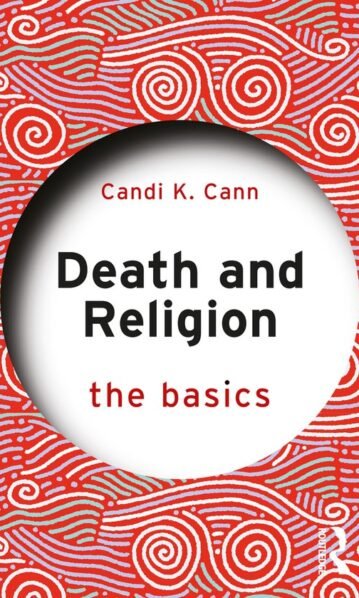
Death and Religion: The Basics
Original price was: 62,00 ₾.50,00 ₾Current price is: 50,00 ₾.Death and Religion: The Basics provides a thorough and accessible introduction to dying. death. grief. and conceptions of the afterlife in world religions.
It leads readers through considerations of how we understand meanings of death and after-death. and the theories and practices attached to these states of being. with recourse to various religious worldviews: Judaism. Islam. Christianity. Hinduism. Sikhism. Buddhism. Chinese Religions. and Native American belief systems. This inter-religious approach provides a rich. dynamic survey of varying and evolving cultural attitudes to death. Topics covered include:
Religious perspectives of “the good death”
Grief. bereavement. and mourning
Stages and definitions of death
Burial. cremation. and disposition
Remembrance rituals
Religious theories of the afterlife
Death and technology
Featuring a glossary. suggestions for further reading in each chapter and key terms. this is the ideal text for students approaching the intersection of death and religion for the first time. and those in the fields of religious studies. thanatology. anthropology. philosophy. and sociology.

Contemporary Literature: The Basics
Original price was: 72,00 ₾.58,00 ₾Current price is: 58,00 ₾.‘Contemporary Literature’ is among the most popular areas of literary study but it can be a difficult one to define. This book equips readers with the necessary tools to take an analytical and systematic approach to contemporary texts. The author provides answers to some of the critical questions in the field:
What makes a literary text contemporary?
Is it possible to have a canon of contemporary literature?
How does a reader’s location affect their understanding?
How do print. electronic. and audio-visual media impact upon contemporary literature?
Which key concepts and themes are most prevalent?
Containing diverse illustrative examples and discussing the topics which define our current sense of the contemporary. this is an ideal starting point for anyone seeking to engage critically with contemporary literature.
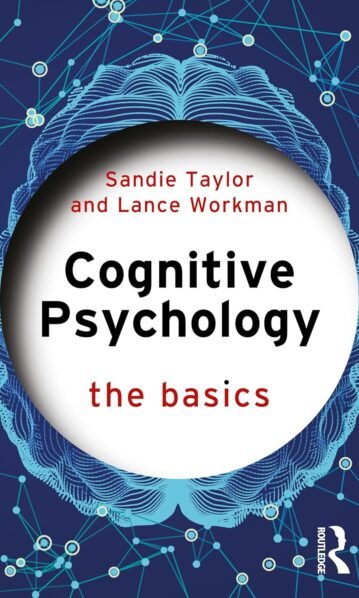
Cognitive Psychology
Original price was: 72,00 ₾.58,00 ₾Current price is: 58,00 ₾.Cognitive Psychology: The Basics provides a compact introduction to the core topics in the field. discussing the science behind the everyday cognitive phenomena experienced by us all. The book considers laboratory and applied theory and research alongside technological developments to demonstrate how our understanding of the brain’s role in cognition is improving all the time.
Alongside coverage of traditional topics in the field. including attention and perception; learning and memory; thinking. problem-solving and decision-making; and language. the book also discusses developments in interrelated areas. such as neuroscience and computational cognitive science. New perspectives. including the contribution of evolutionary psychology to our understanding of cognition are also considered before a thoughtful discussion of future research directions. Using real-world examples throughout. the authors explain in an accessible and student-friendly manner the role our human cognition plays in all aspects of our lives.
It is an essential introductory text suitable for all students of Cognitive Psychology and related disciplines. It will also be an ideal read for any reader interested in the role of the brain in human behavior.
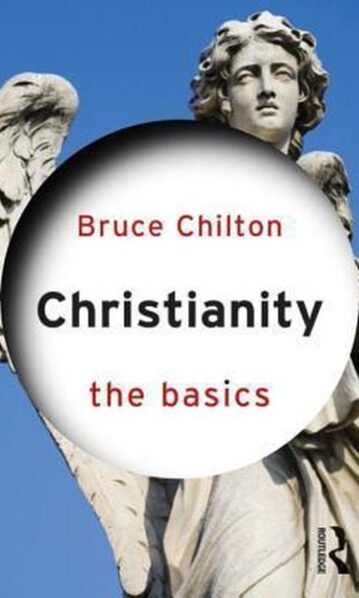
Christianity: The Basics
Original price was: 72,00 ₾.58,00 ₾Current price is: 58,00 ₾.Christianity: The Basics is a compelling introduction to both the central pillars of the Christian faith and the rich and varied history of this most global of global religions. This book traces the development of Christianity through an exploration of some of the key beliefs. practices and emotions which have been recurrent symbols through the centuries:
Christ. the kingdom of heaven and sin
Baptism. Eucharist and prayer
Joy. divine union and self denial
Encompassing the major epochs of Christian history and examining the unity and divisions created by these symbols. Christianity: The Basics is both a concise and comprehensive introduction to the Christian tradition.

Buddhism: The Basics
Original price was: 69,00 ₾.55,00 ₾Current price is: 55,00 ₾.Buddhism: The Basics provides a thorough and accessible introduction to a fascinating religion. Examining the historical development of Buddhism and its presence today. this guide covers:
principal traditions
practices and beliefs
ethical guidelines and philosophy
religious texts
community
With helpful features including a detailed map of the Buddhist world. glossary of terms and tips for further study. this is an ideal text for students and interested readers wanting to familiarise themselves with the Buddhist faith.
Cathy Cantwell is an academic researcher at the Oriental Institute. University of Oxford. She specialises in Tibetan Buddhism. and has worked on eleventh century manuscripts. an eighteenth century scriptural collection. and contemporary Buddhist ritual manuals and practice. She has taught widely in UK Higher Education and is joint author of Early Tibetan Documents on Phur pa from Dunhuang.
Baha’i Faith: The Basics
Original price was: 69,00 ₾.55,00 ₾Current price is: 55,00 ₾.Bahá’í Faith: The Basics provides a thorough and accessible introduction to a fascinating. independent world religion. Examining its historical development. current “community-building” efforts and the social contributions of the Bahá’í Faith in the world today. this introduction covers:
Beliefs: Bahá’í spiritual teachings
Principles: Bahá’í social teachings
History: Bahá’u’lláh and his covenant.
Scripture: Bahá’í sacred texts and inspired guidance
Institutions: The Bahá’í Administrative Order
Building community: What Bahá’ís do
Social action: Bahá’í social and economic development projects
Public discourse: The Bahá’í International Community
Vision: Foundations for a future golden age
With features including a glossary of terms. and references to the Bahá’í writings throughout. this is the ideal text for students and interested readers wanting to familiarize themselves with the Bahá’í Faith.
Atheism: The Basics
Original price was: 72,00 ₾.58,00 ₾Current price is: 58,00 ₾.Atheism: The Basics is a concise and engaging introduction to belief in the non-existence of deities. Atheism has long fascinated people but debate around this controversial position may seem daunting. In this lively and lucid book. Graham Oppy addresses the following important questions:
• What does it mean to be an atheist?
• What is the difference between atheism. agnosticism. theism and innocence?
• How has atheism been distributed over time and place?
• What does science tell us about atheism?
• Are there good reasons to be an atheist?
• Are there good reasons not to be an atheist?
• What do we mean by ‘new atheism’?
With a glossary of key terms and suggestions for further reading throughout. the book considers key philosophical arguments around atheism. making this an ideal starting point for anyone seeking a full introduction to the arguments between those who hold atheistic beliefs and those who do not.
Ancient Near East: The Basics
Original price was: 69,00 ₾.55,00 ₾Current price is: 55,00 ₾.Ancient Near East: The Basics surveys the history of the ancient Middle East from the invention of writing to Alexander the Great’s conquest. The book introduces both the physical and intellectual environment of those times. the struggles of state-building and empire construction. and the dissent from those efforts. Topics covered include:
What do we mean when we talk about the Ancient Near East?
The rise and fall of powerful states and monarchs
Daily life both in the cities and out in the fields
The legacy of the Ancient Near East: religion. science and writing systems.
Featuring a glossary. chronology and suggestions for further reading. this book has all the tools the reader needs to understand the history and study of the Ancient Near East.
The Psychology of the Teenage Brain
45,00 ₾Why do teenagers stay up late and struggle to get up in the morning? Do teenagers really take more risks? What is happening with teenagers’ hormones?
The Psychology of the Teenage Brain offers all those involved in teenagers’ lives insight into what’s happening in their brains and how understanding them can improve relationships and communication at this crucial stage. It explains key topics, including the way the brain changes during adolescence, the role of hormones, and what we really know about risk and resilience, sleep and peer pressure. It challenges the stereotype of the ”snowflake generation” and explores young people’s mental health.
Written for all parents and caregivers, this book will help with the challenges of having a teenager in the home. It also offers crucial understanding for all students and practising professionals in the fields of social work, counselling, health and education who work with teenagers.

The Psychology of Social Media
45,00 ₾Are we really being ourselves on social media? Can we benefit from connecting with people we barely know online? Why do some people overshare on social networking sites?
The Psychology of Social Media explores how so much of our everyday lives is played out online, and how this can impact our identity, wellbeing and relationships. It looks at how our online profiles, connections, status updates and sharing of photographs can be a way to express ourselves and form connections, but also highlights the pitfalls of social media including privacy issues.
From FOMO to fraping, and from subtweeting to selfies, The Psychology of Social Media shows how social media has developed a whole new world of communication, and for better or worse is likely to continue to be an essential part of how we understand our selves.
The Psychology of School Bullying
45,00 ₾Why do children get involved with bullying? Does cyberbullying differ from traditional bullying? How can bullying at school be prevented?
The Psychology of School Bullying explores what bullying is and what factors lead to children playing roles as bullies, victims, defenders, bystanders or even some combination of these The book examines proactive strategies to reduce the likelihood of bullying happening in school, but also looks at what action the school could take if bullying incidents do occur.
As bullying can have such far-reaching consequences and sometimes tragic outcomes, it is vital to grasp how and why it happens, and The Psychology of School Bullying shows how improved knowledge and understanding can lead to effective interventions.

The Psychology of Politics
45,00 ₾How do some political leaders capture popular support? What is the appeal of belonging to a nation? Can democracy thrive?
The Psychology of Politics explores how the emotions which underpin everyday life are also vital in what happens on the political stage. It draws on psychoanalytic ideas to show how fear and passion shape the political sphere in our changing societies and cultures, and examines topical social issues and events including Brexit, the changing nature of democracy, activism, and Trump in America.
In a changing global political climate, The Psychology of Politics shows us how we can make sense of what drives human conduct in relation to political ideas and action.

The Psychology of Gender
45,00 ₾What is the difference between sex and gender? What is the impact of gender-role stereotypes on our lives, our relationships and the world? What does gender mean to you?
The Psychology of Gender looks at our biology, history and culture to consider the impact of gender roles and stereotypes, and addresses the ‘dilemmas’ we have regarding gender in a post-modern world. It offers a unique perspective on gender through storytelling and explores ideas around transgender and cisgender identities and androgyny, tackling hidden assumptions and helping us make sense of the world of gender.
By examining the future of gender, The Psychology of Gender offers a platform for further exploration, and arrives at a new psychology of gender that emphasises relationships and helps us to understand our own gender identity and that of those around us.
The Psychology of Democracy
45,00 ₾What is a democracy? Why do we form democratic systems? Can democracy survive in an age of distrust and polarisation?
The Psychology of Democracy explains the psychological underpinnings behind why people engage with and participate in politics. Covering the influence that political campaigns and media play, the book analyses topical and real-world political events including the Arab Spring, Brexit, Black Lives Matter, the US 2020 elections and the Covidd-19 pandemic. Lilleker and Ozgul take the reader on a journey to explore the cognitive processes at play when engaging with a political news item all the way through to taking to the streets to protest government policy and action.
In an age of post-truth and populism, The Psychology of Democracy shows us how a strong and healthy democracy depends upon the feelings and emotions of its citizens, including trust, belonging, empowerment and representation, as much as on electoral processes.

The Psychology of Celebrity
45,00 ₾Why are we fascinated by celebrities we’ve never met? What is the difference between fame and celebrity? How has social media enabled a new wave of celebrities?
The Psychology of Celebrity explores the origins of celebrity culture, the relationships celebrities have with their fans, how fame can affect celebrities, and what shapes our thinking about celebrities we admire. The book also addresses the way in which the media has been and continues to be an outlet for celebrities, culminating in the role of social media, reality television, and technology in our modern society.
Drawing on research featuring real life celebrities from the Kardashians to Michael Jackson, The Psychology of Celebrity shows us that celebrity influence can have both positive and negative outcomes and the impact these can have on our lives.
The Psychology of Attachment
45,00 ₾What do we actually mean by ‘attachment’? How do different caregiving styles impact attachment in children? How do early caregiving experiences impact later development?
The Psychology of Attachment is an essential introduction to attachment, offering an accessible explanation of the theory, unpicking common misunderstandings, and providing a balanced overview of key research findings.
Topics covered include the following:
The development of attachment during the first few years of life
The impact of different caregiving behaviours on children’s attachment relationships
The influence of attachment relationships on children’s behaviour and development
The development of attachment relationships from infancy to adulthood
Attachment in romantic relationships and religion
Attachment-based interventions
This unique book introduces the reader to new ways of thinking about the role of relationships, caregiving, and child development, and the way in which they shape our lives.

ცხებული და შერისხული
20,00 ₾ანო ტვილდიანი თავის წიგნში – “ცხებული და შერისხული” სხვადასხვა ზოგადსაკაცობრიო თემას ფილოსოფიური კუთხით ეხება. რომანში წამოჭრილია, როგორც სახელმწიფო მოწყობისა და საზოგადოებრივი ფორმების საკითხები, ისე განკერძოებით ადამიანური ფსიქოლოგიური პრობლემები, რომლებსაც ერთმანეთთან პერსონაჟების მეშვეობით აკავშირებს. რომანი გამოგონილ სახელმწიფოში განვითარებულ პროცესებზე მოგვითხრობს, სადაც სახელმწიფო ხელისუფალნი და მმართველობის ფორმები ერთმანეთს ენაცვლებიან…
1924 წლის აჯანყება: საქართველო და დემოკრატიული სოციალიზმის დაბადება
20,00 ₾1924 წლის ეროვნული აჯანყების 100 წლისთავთან დაკავშირებით გამომცემლობა „ზიარი“ გთავაზობთ ერიკ ლის ახალ წიგნს „1924 წლის აგვისტოს აჯანყება – საქართველო და დემოკრატიული სოციალიზმის დაბადება“.
წიგნში დიდი ადგილი ეთმობა 1921-1924 წლების პერიოდს, აღწერილია ბოლშევიკთა ქმედებები და ქართველი ხალხის წინააღმდეგობა, რომელიც წინ უძღოდა აჯანყებას. ასევე განხილულია საქართველოს დაპყრობის თაობაზე ევროპელი სოციალ-დემოკრატების პოზიცია, განსაკუთრებით იმ დელეგაციის წევრებისა, რომლებიც 1920 წელს ესტუმრნენ საქართველოს.
ავტორი მკითხველს აცნობს 1924 წლის ეროვნული აჯანყებისა და, განსაკუთრებით, მისი სასტიკად ჩახშობის გავლენას ევროპაში მემარცხენე მოძრაობაზე. წიგნში აღწერილია აჯანყების მიმდინარეობა და ჩახშობა და ის გამოძახილი, რომელიც ამ მოვლენებს მოჰყვა ევროპაში.

პენელოპიადა
14,95 ₾„პენელოპიადა” უძველესი მითის ახლებურად გააზრებას გვთავაზობს, ვითარებას, როცა საზოგადოებაში ძალაუფლება მამაკაცს ეკუთვნის მარგარეტ ეტვუდის ვერსიაში ოდისევსის ცოლის ამბავი სულ სხვაგვარად წარმოგვიდგება. ეს წიგნი გარდაცვლილი პენელოპეს დღიურია ჰადესიდან. მთავარი გმირი გვიამბობს თავისი ბავშვობის შემდეგ კი ქორწინების ამბავს, აღგვიწერს ლეგენდარულ ოდისევსს არა ჰომეროსის, არამედ თავისი, ქალის თვალით გაცნობილს, როგორ ელოდა ოცი წლის განმავლობაში მეუღლეს. რამდენი რამ გადაიტანა. ეს არის ანტიკური მითოლოგიის პერსონაჟებისა და რეალიების სრულიად სხვაგვარად გააზრება და მკითხველის გადასაწყვეტია, გაიზიარებს თუ არა მას.

საქართველოს არქეოლოგიისთვის
39,95 ₾წინამდებარე წიგნში საქართველოს იბერია-კოლხური პერიოდის (ძვ. წ VI ს – ახ.წ. IV ს.) ისტორიისა და არქეოლოგიის საკითხებია განხილული.
ნაშრომში ახალი არქეოლოგიური მასალისა და წერილობითი წყაროების ურთიერთშედარებისა და კვლევის საფუძველზე, გარკვეულწილად, ხერხდება საქართველოს ხსენებული ეპოქის ისტორიის მეტ-ნაკლები აღდგენა.
წიგნი განკუთვნილია საქართველოს ისტორიით დაინტერესებული მითხველისთვის. ის ახალ, საინტერესო ინფორმაციას მიაწვდის სკოლის მასწავლებლებსა და სტუდენტებს.