

2022

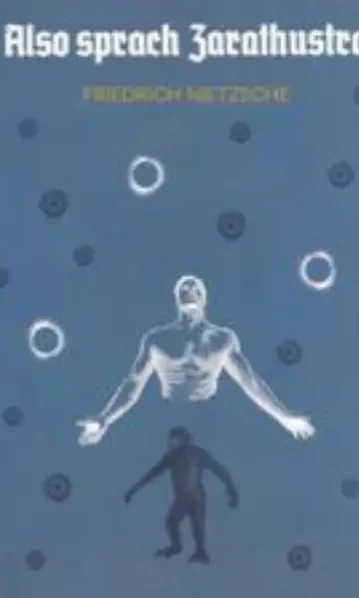
Also sprach Zaratustra
13,95 ₾“Also sprach Zarathustra” ist eines der lebendigsten und umstrittensten Werke der modern Philosophie. Mit seiner Unruhe und gottlosen Leidenschaft wirkt es über alle Dogmen und Religionen hinweg gerade im 21. Jahrhundert aktueller denn je. Vor allem aber kann man von Nietzsche lernen, dass das Philosophieren keine rein akademische Angelegenheit ist, sondern ein großes Abenteuer, hinter dem sich unsere Sehnuscht nach einem intensiceren, lustoveleren Leben verbirgt.

Главный секрет притяжения денег. Думай и богатей! 4-е издание
25,00 ₾Наполеон Хилл и Эрл Найтингейл научили миллионы людей управлять созидательной силой разума и получать грандиозные результаты, думать и — богатеть, с легкостью проходя через любые жизненные испытания.
Прочитав эту книгу, вы узнаете, как с помощью силы мысли раскрыть свой потенциал, достичь душевного равновесия и реализовать свои самые смелые мечты.
С Наполеоном Хиллом и Эрлом Найтингейлом вы становитесь полноправным и эффективным руководителем своей жизни!
• Мировой бестселлер на протяжении десятков лет.
• Секреты обретения и приумножения богатства.
• Правила самых богатых людей мира.
• Способы максимально повысить свою продуктивность.
• Приемы для безграничного развития своего потенциала.
Наполеон Хилл (Napoleon Hill, 1883–1970) — философ и психолог, один из создателей современного жанра «самопомощь». Его наиболее известная работа «Думай и богатей!» является одной из самых продаваемых книг всех времен.
Эрл Найтингейл (Earl Nightingale, 1921–1989) — американский бестселлерный автор, его самая известная книга The Strangest Secret («Главный секрет притяжения денег») переведена на 18 языков и продана тиражом более 1 000 000 экземпляров.
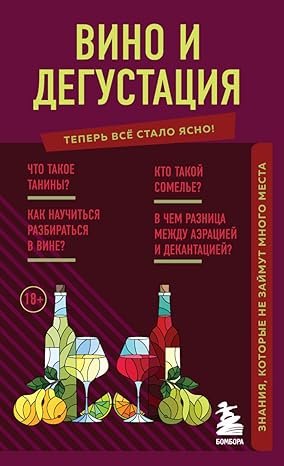
Вино и дегустация. Знания, которые не займут много места
15,00 ₾Эта книга для тех, кто когда-либо безучастно смотрел на винную карту ресторана и внутренне паниковал из-за того, что выглядел неуверенно перед официантом и соседями по столу. Или любого, кто безучастно кивал, когда кто-то говорил слова «танины» и «минеральность», обсуждая бутылку прекрасного вина.
Боязнь вина реальна, но вам не нужно становиться ее жертвой. Эта небольшая книга поможет вам погрузиться в волшебный мир, подаривший человеку вино. Его история на самом деле увлекает и завораживает. Вовсе не обязательно становиться виноделом — вы можете просто научиться разбираться в винах.

Побег абрикоса
20,00 ₾У медвежонка Фила пропало волшебное дерево, на котором за одну ночь выросли вкусные абрикосы. Его вручила ему ежиха Мари в благодарность за вскопанные грядки. Медвежонок полакомился плодами, лег спать, утром поспешил в сад, а дерева нет! Оно убежало! Сове Софи – детективу Медовой Долины и ее помощнику бельчонку Чинку надо выяснить, куда удрало волшебное дерево. А затем объяснить всем, что обманывать и лениться очень, очень нехорошо.
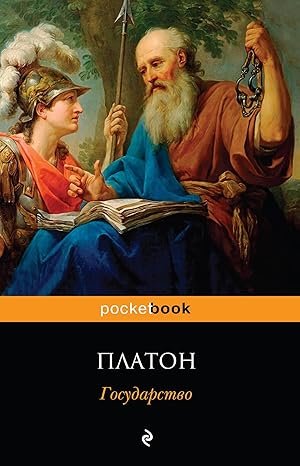
Государство
23,00 ₾Платон – родоначальник европейской философии. Каждый кто собирается читать его диалоги, знает: из них вырос и загадочный неоплатонизм, и средневековая схоластика, и классическая философия. Зачастую древних авторов перестают читать, предполагая, что это потребует особой подготовки, однако диалоги Платона ошеломляют своей неожиданной простотой.
В настоящую книгу входит один из самых знаменитых диалогов Платона “Государство”, давно ставший классикой философской мысли. Сочинение посвящено проблемам устройства идеального государства, основанного на высшей справедливости. В нем также содержится критический анализ шести форм государства, размещенных автором последовательно – от наилучшего к худшему: монархия, аристократия, тимократия, олигархия, демократия и тирания.

Пляска фэйри: Сказки сумеречного мира
26,00 ₾Фэйри или подобных им существ можно встретить почти во всех культурах мира. Доброжелательные и ужасающие, обаятельные и возмутительные, они меняют форму от страны к стране, от истории к истории и от момента к моменту, не меняя своей сути. Прославленные составители антологий Эллен Датлоу и Терри Виндлинг собрали под одной обложкой лучших творцов фантастических рассказов и стихов, которые в своем творчестве опираются на величайшее богатство мировых знаний о фэйри и классических произведений о них: Нила Геймана, Холли Блэк, Чарльза Де Линта, Патрицию Маккиллип, Танит Ли и многих других.
Идейно продолжая еще одну антологию Датлоу и Виндлинг — «Зеленого рыцаря», — ставшую лауреатом Всемирной премии фэнтези, эта книга дерзка, провокационна и совершенно волшебна. Как и сами фэйри.

Загадочная история Бенджамина Баттона
25,00 ₾В сущности, о чем бы ни писал великий знаток человеческих душ, литературный символ «эпохи джаза» и один из самых талантливых мастеров англоязычной прозы ХХ века Фрэнсис Скотт Фицджеральд, – он писал об одиночестве. И лучшее тому подтверждение – данный сборник его классических новелл разных лет.
Неважно, относятся ли эти новеллы к психологическому реализму или близки к притчам, представляют ли собой ироничные пародии на «массовые» жанры, забавны они или серьезны, – речь в них неизменно идет об одиночестве человеческой души среди людей.
Любовь, дружба, общение, семья, работа и развлечения – не более чем своеобразная иллюзия, сплошь и рядом оборачивающаяся весьма неожиданным или печальным образом, или защитная реакция разума, всеми силами пытающегося зацепиться за ускользающую реальность.
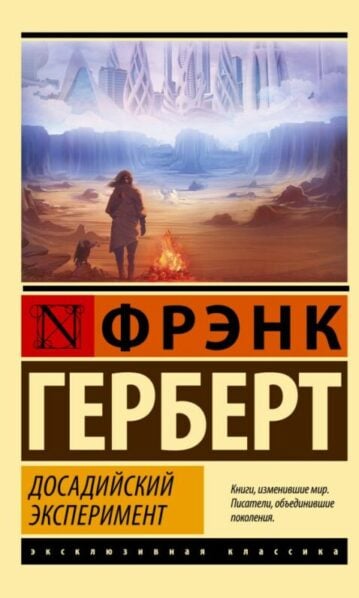
Досадийский эксперимент
16,00 ₾Далекое будущее. Сотни разумных рас объединены в межпланетную Конфедерацию сознающих. И эта Конфедерация жила бы счастливо, если бы ее правительство, загоревшись идеей борьбы с бюрократией, не включило «зеленый свет» всем благим (в теории) инициативам…
Больше никаких проволочек. Законы принимаются в течение часа. Множатся комитеты, бюджет трещит по швам. Конфедерация сваливается в хаос. Лишь отдельные сознающие понимают весь ужас происходящего и, чтобы хоть как-то замедлить раскрутившийся маховик власти, объединяются в Бюро Саботажа. Агентам Бюро приходится проявлять чудеса изобретательности, чтобы оставаться в рамках закона, но сопротивление властей и общества настолько велико, что порой им приходится переступать эти рамки, и тогда в ход идет все, вплоть до подкупа, шантажа и убийства.
* * *
Однажды в Бюро Саботажа поступает тревожная информация: планета Досади изолирована с помощью непроницаемой оболочки под названием «Божья стена» с целью проведения чудовищного эксперимента…

Кровь эльфов
37,00 ₾Приключения ведьмака Геральта из Ривии продолжаются!
«Ведьмак» – это мир на острие меча, ошеломляющее действие, незабываемые ситуации, великолепные боевые сцены.
Сага Анджея Сапковского занимает одно из первых мест в отечественных и зарубежных списках лучшего фэнтези, а Геральт, культовый персонаж литературы и компьютерных игр, уже во второй раз появляется на телеэкранах.

Трилогия тумана
48,00 ₾В сборник включены романы Карлоса Руиса Сафона “Владыка Тумана”, “Дворец полуночи” и “Сентябрьские огни”.

Радость поутру
16,00 ₾Дживс и Вустер вынуждены ненадолго поселиться в деревушке, расположенной в непосредственной близости от дома внушающей ужас Агаты — тети Берти Вустера. К счастью, тетушка уехала, но в усадьбе проживает Флоренс Крэй, которая поставила перед собой задачу сделать из Берти серьезного человека. Кажется, вольная жизнь Берти закончилась, но верный Дживс как всегда бросается на помощь своему хозяину-шалопаю…

Фамильная честь Вустеров
16,00 ₾Безотказный Берти Вустер терпит неудачу, помогая неугомонной тетушке Далии осуществить ее преступные планы по изъятию антикварного сливочника в форме коровы у грозного судьи Бассета. Фамильная честь Вустеров под угрозой. Но верный Дживс, умница и эрудит, как обычно, находит выход из абсолютно безвыходной ситуации.
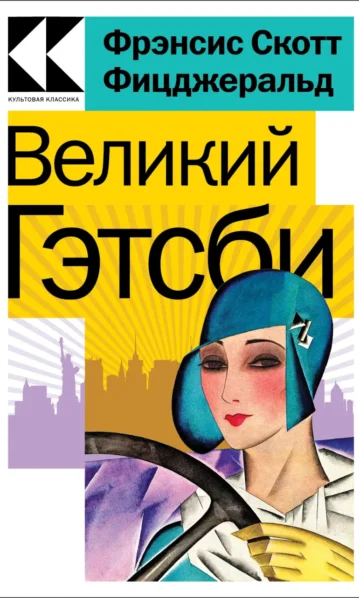
Великий Гэтсби
19,00 ₾Фрэнсис Скотт Фицджеральд – американский классик мировой литературы. Писатель, ярко и беспристрастно отразивший безумную жизнь 20-х годов. Он и сам был плотью от плоти той легендарной эпохи. Но эксцентричность и внешняя позолота канули в прошлое, и в настоящем остались его бессмертные книги.
«Великий Гэтсби» – самый известный роман Фрэнсиса Фицджеральда, ставший символом «века джаза».
Америка, 1925 г., время «сухого закона» и гангстерских разборок, ярких огней и яркой жизни. Но для Джея Гэтсби воплощение американской мечты обернулось настоящей трагедией. А путь наверх, несмотря на славу и богатство, привел к тотальному крушению. Ведь каждый из нас в первую очередь стремится не к материальным благам, а к любви, истинной и вечной…

Война миров. Человек-невидимка
32,00 ₾Герберт Уэллс в своих фантастических произведениях опередил свое время. Он пророчил, что наша реальность будет четырехмерна, писал о лазере и атомной бомбе задолго до их изобретения, предсказал полеты на Луну, развитие автомобильного транспорта и даже Вторую мировую войну.
“Война миров” – первый в истории роман, поднимающий тему вражды между людьми и инопланетянами. Захватывающий и отрезвляющий, пугающий и увлекательный, потрясающе масштабно экранизированный.
“Человек-невидимка” – трагическая история талантливого ученого, совершившего удивительное открытие, которая поражает сочетанием психологической и бытовой достоверности с фантастичностью происходящих событий.

Мгла над Инсмутом
38,00 ₾Неподалеку от Аркхема расположен маленький городок Инсмут, в который ходит лишь сомнительный автобус с жутким водителем. Все стараются держаться подальше от этого места, но один любопытный молодой человек решает проникнуть в тайну рыбацкого городка. Ему предстоит погрузиться в жуткие истории о странных жителях, необычайных происшествиях и диковинных существах и выяснить, какую загадку скрывает мгла над Инсмутом.
Также в сборник вошли: известнейшая повесть “Шепчущий из тьмы” о существах Ми-Го, прилетевших с другой планеты, рассказы “Храм” и “Старинное племя” о древней цивилизации, рассказы “Лунная топь” и “Дерево на холме” о странностях, скрываемых землей, а также “Сны в Ведьмином доме” и “Гость-из-Тьмы” об ученых, занимавшихся фольклором и мифами.

Мертвое море
Original price was: 36,00 ₾.18,00 ₾Current price is: 18,00 ₾.Жоржи Амаду – выдающийся писатель Бразилии. Для русского человека Жоржи Амаду – это сама Бразилия. Ее природа, экономика, культура, кулинария, верования и праздники, но самое главное – ее люди, земляки писателя, его герои, его друзья. В нем соединились гений писателя и пламенное сердце борца, протестующего против любой социальной несправедливости. Жоржи Амаду никогда не был “диванным революционером”, он на собственном опыте знал, что такое подполье, тюрьма, эмиграция и отражал этот опыт в своих произведениях.
В “Мертвом море” он выступает подлинным новатором, смело соединяет миф и реальность, эпос и лирику.Именно он открыл жанр магического реализма. Когда Амаду писал “Мертвое море”, Габриэлю Маркесу было 9 лет.
“Мертвое море” – песня моряка, сказка, легенда, рожденная воображением, открывающаяся как реальность. Вы поверите в существование богини моря Иеманджи и далекой земли моряков Айока. Вы услышите истории старых моряков о кораблекрушениях и подвигах, для Вас зазвучат печальные песни о судбе моряков и их любимых.
“Людям моря есть что порассказать. Послушайте историю Гумы и Ливии. Это история жизни у моря, это история любви у моря”.

Ее величество кошка (Кошки #2)
32,00 ₾Что было бы, начни кошки править цивилизацией? И о чем на самом деле грезят эти пушистые домашние тираны? Кошка Бастет всерьез полагает, что время людей закончилось и пришло время взять ответственность за судьбы мира в свои лапы. Она полна решимости перевернуть существующий порядок, и у нее для этого есть возможность. Единственная преграда на ее пути – кот Пифагор. Он единственный из кошачьих, с кем могут общаться люди благодаря уникальному usb-разъему у него на лбу. Пифагор говорит, что управлять миром и людьми Бастет сможет, когда освоит три вещи – юмор, любовь и искусство. Получится ли у Бастет основать кошачью цивилизацию и наконец узаконить порядок, при котором люди служат кошкам, не питая иллюзий относительно своей мнимой власти?

Революция муравьев (#3)
29,00 ₾Жюли Пинсон, девятнадцатилетняя лицеистка, которая уже третий год не может сдать выпускной экзамен, находит в лесу в пещере третий том «Энциклопедии относительного и абсолютного знания» Эдмонда Уэллса. Из нее она узнает о том, как сложен и необычен мир муравьев, как многому можно у них научиться. Тем временем особь номер 103 из Бел-о-Кана, муравьиного города, пытается понять людей. Что же произойдет, когда две цивилизации наконец услышат друг друга?

День муравья (#2)
27,00 ₾История о муравьях и людях становится еще запутаннее. Молодая муравьиная королева Шли-пу-ни, только что взошедшая на трон, мечтает отомстить пальцам – так муравьи называют людей – за убийство своей матери. Тем временем за пределами муравейника один за другим погибают химики, занимавшиеся разработкой яда против муравьев. За дело берутся детектив Жак Мелье и журналистка Летиция Уэллс, дочь Эдмонда Уэллса.

The Nurse’s Clinical Skills Pocketbook
50,00 ₾This pocket-sized book is an ideal reference for nursing students. It puts the facts at your fingertips, giving you immediate access to 50 different clinical procedures.
Handy checklists covering the things to consider before starting the procedure
Clear instructions guide you step-by-step through the skill
All fields of practice included to ensure your care is person-centred
Whether revising for an OSCE, preparing for a new clinical placement or looking for a clear description of how to perform a certain task, this book will become a trusted companion and daily reference as your practice experience steadily grows.

დილა მშვიდობისა წყლის მეგობრებო
10,90 ₾ჩვილი ისევე „სწავლობს“ ხედვას, როგორც სიარულს და ლაპარაკს. ამ თვალსაზრისით, განსაკუთრებით მნიშვნელოვანია დაბადებიდან 6 თვე, როცა მხედველობის სიმახვილე თითქმის 10-12-ჯერ მატულობს და ბავშვს ფერების, ფორმებისა და სივრცული მხედველობის უნარი უვითარდება.

The Star Wars Archives 1999–2005
110,00 ₾From the moment Star Wars burst onto the screen in 1977, audiences have been in equal parts fascinated and appalled by the half-man/half-machine hybrid Darth Vader. In 1999, creator George Lucas began the story of how Anakin Skywalker grew up to train as a Jedi under Obi-Wan Kenobi, found love with the Queen of Naboo, Padmé Amidala, before turning to the dark side of his nature and becoming more machine than man.
After driving the development of nascent digital technology, George Lucas perceived how he could create new creatures and new worlds on a grander scale than ever before. He created the first digital blockbuster, and met fierce resistance when he pushed for widespread digital cameras, sets, characters, and projection – all of which are now used throughout the industry. He essentially popularized the modern way of making movies.
Made with the full cooperation of George Lucas and Lucasfilm, this second volume covers the making of the prequel trilogy — Episode I The Phantom Menace, Episode II Attack of the Clones, and Episode III Revenge of the Sith — and features exclusive interviews with Lucas and his collaborators. The book is profusely illustrated with script pages, production documents, concept art, storyboards, on-set photography, stills, and posters.
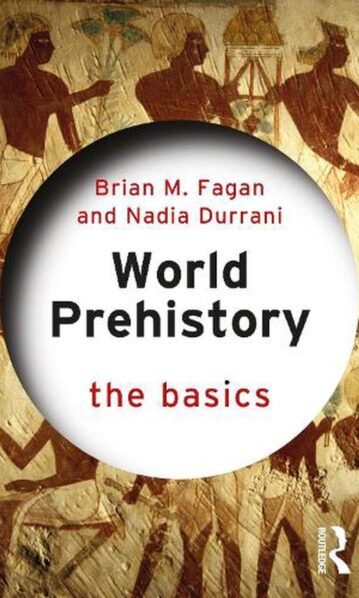
World Prehistory: The Basics
Original price was: 69,00 ₾.55,00 ₾Current price is: 55,00 ₾.World Prehistory: The Basics tells the compelling story of human prehistory. from our African origins to the spectacular pre-industrial civilizations and cities of the more recent past.
Written in a non-technical style by two archaeologists and experienced writers about the past. the story begins with human origins in Africa some 6 million years ago and the spread of our remote ancestors across the Old World. Then we return to Africa and describe the emergence of Homo sapiens (modern humans) over 300.000 years ago. then. much later. their permanent settlement of Europe. Eurasia. Asia. and the Americas. From hunters and foragers. we turn to the origins of farming and animal domestication in different parts of the world after about 11.000 years ago and show how these new economies changed human existence dramatically. Five chapters tell the stories of the great pre-industrial civilizations that emerged after 5000 years before present in the Old World and the Americas. their strengths. volatility. and weaknesses. These chapters describe powerful rulers and their ideologies. also the lives of non-elites. The narratives chronicle the rise and fall of civilizations. and the devastating effects of long droughts on many of them. The closing chapter poses a question: Why is world prehistory important in the modern world? What does it tell us about ourselves?
Providing a simple. but entertaining and stimulating. account of the prehistoric past from human origins to today from a global perspective. World Prehistory: The Basics is the ideal guide to the story of our early human past and its relevance to the modern world.
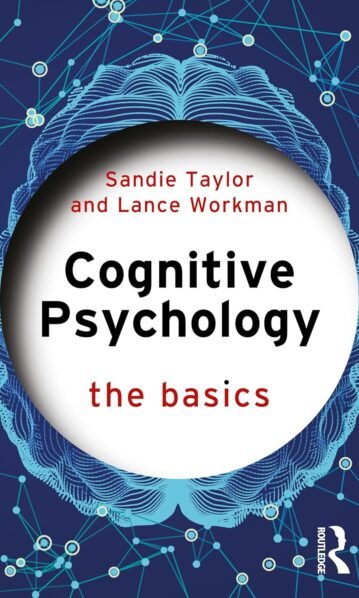
Cognitive Psychology
Original price was: 72,00 ₾.58,00 ₾Current price is: 58,00 ₾.Cognitive Psychology: The Basics provides a compact introduction to the core topics in the field. discussing the science behind the everyday cognitive phenomena experienced by us all. The book considers laboratory and applied theory and research alongside technological developments to demonstrate how our understanding of the brain’s role in cognition is improving all the time.
Alongside coverage of traditional topics in the field. including attention and perception; learning and memory; thinking. problem-solving and decision-making; and language. the book also discusses developments in interrelated areas. such as neuroscience and computational cognitive science. New perspectives. including the contribution of evolutionary psychology to our understanding of cognition are also considered before a thoughtful discussion of future research directions. Using real-world examples throughout. the authors explain in an accessible and student-friendly manner the role our human cognition plays in all aspects of our lives.
It is an essential introductory text suitable for all students of Cognitive Psychology and related disciplines. It will also be an ideal read for any reader interested in the role of the brain in human behavior.

The Psychology of Democracy
45,00 ₾What is a democracy? Why do we form democratic systems? Can democracy survive in an age of distrust and polarisation?
The Psychology of Democracy explains the psychological underpinnings behind why people engage with and participate in politics. Covering the influence that political campaigns and media play, the book analyses topical and real-world political events including the Arab Spring, Brexit, Black Lives Matter, the US 2020 elections and the Covidd-19 pandemic. Lilleker and Ozgul take the reader on a journey to explore the cognitive processes at play when engaging with a political news item all the way through to taking to the streets to protest government policy and action.
In an age of post-truth and populism, The Psychology of Democracy shows us how a strong and healthy democracy depends upon the feelings and emotions of its citizens, including trust, belonging, empowerment and representation, as much as on electoral processes.



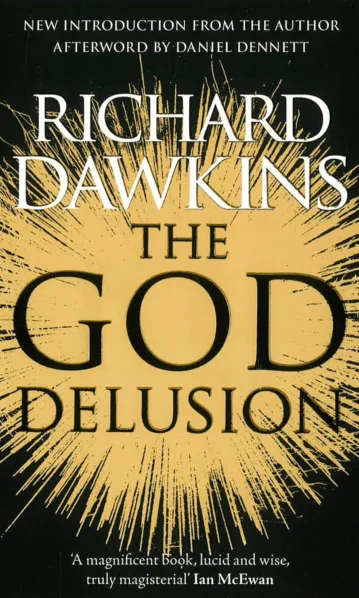
God Delusion
38,00 ₾The God Delusion caused a sensation when it was published in 2006. Within weeks it became the most hotly debated topic, with Dawkins himself branded as either saint or sinner for presenting his hard-hitting, impassioned rebuttal of religion of all types.
His argument could hardly be more topical. While Europe is becoming increasingly secularized, the rise of religious fundamentalism, whether in the Middle East or Middle America, is dramatically and dangerously dividing opinion around the world. In America, and elsewhere, a vigorous dispute between ‘intelligent design’ and Darwinism is seriously undermining and restricting the teaching of science. In many countries religious dogma from medieval times still serves to abuse basic human rights such as women’s and gay rights. And all from a belief in a God whose existence lacks evidence of any kind.
Dawkins attacks God in all his forms. He eviscerates the major arguments for religion and demonstrates the supreme improbability of a supreme being. He shows how religion fuels war, foments bigotry and abuses children.
The God Delusion is a brilliantly argued, fascinating polemic that will be required reading for anyone interested in this most emotional and important subject.
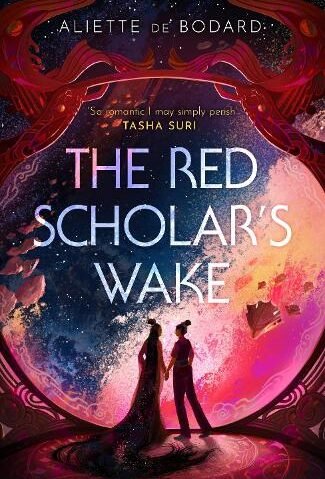
Red Scholar’s Wake
37,00 ₾Xích Si: bot maker, data analyst, mother, scavenger. But those days are over now-her ship has just been captured by the Red Banner pirate fleet, famous for their double-dealing and cruelty. Xích Si expects to be tortured to death-only for the pirates’ enigmatic leader, Rice Fish, to arrive with a different and shocking proposition: an arranged marriage between Xích Si and herself. Rice Fish: sentient ship, leader of the infamous Red Banner pirate fleet, wife of the Red Scholar. Or at least, she was the latter before her wife died under suspicious circumstances. Now isolated and alone, Rice Fish wants Xích Si’s help to find out who struck against them and why. Marrying Xích Si means Rice Fish can offer Xích Si protection, in exchange for Xích Si’s technical fluency: a business arrangement with nothing more to it. But as the investigation goes on, Rice Fish and Xích Si find themselves falling for each other. As the interstellar war against piracy intensifies and the five fleets start fighting each other, they will have to make a stand-and to decide what kind of future they have together… An exciting space opera and a beautiful romance, from an exceptional SF author.
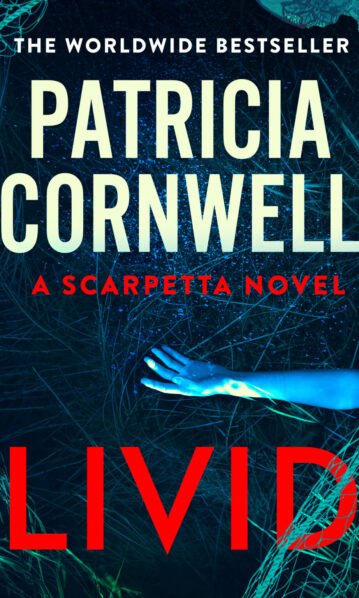
Livid
29,00 ₾In this thrilling new installment of Patricia Cornwell’s #1 bestselling series, chief medical examiner Dr. Kay Scarpetta finds herself a reluctant star witness in a sensational televised murder trial causing chaos in Old Town Alexandria with the threat of violent protests.Forensic pathologist Kay Scarpetta has just inherited one of the most notorious cases of her career. Two years ago, a former beauty queen’s body washed up on the shore of Wallops Island, Virginia. She was last seen on a boat with her fiancé, who has since been held in jail while awaiting trial.Scarpetta must act as the expert witness for the case—an investigation previously botched by another forensic pathologist. After a grueling cross-examination by the prosecutor, Scarpetta leaves the court only to discover that the sister of the judge on her case has been found dead.Scarpetta ultimately finds herself facing a powerful, invisible enemy who’s planning the unthinkable . . .

An Island Wedding
29,00 ₾On the little Scottish island of Mure–halfway between Scotland and Norway–Flora MacKenzie and her fiancé Joel are planning the smallest of “sweetheart weddings,” a high summer celebration surrounded only by those very dearest to them. Not everyone on the island is happy about being excluded, though. The temperature rises even further when beautiful Olivia MacDonald–who left Mure ten years ago for bigger and brighter things–returns with a wedding planner in tow. Her fiancé has oodles of family money, and Olivia is determined to throw the biggest, most extravagant, most Instagrammable wedding possible. And she wants to do it at Flora’s hotel, the same weekend as Flora’s carefully planned micro-wedding. As the summer solstice approaches, can Flora handle everyone else’s Happy Every Afters–and still get her own?
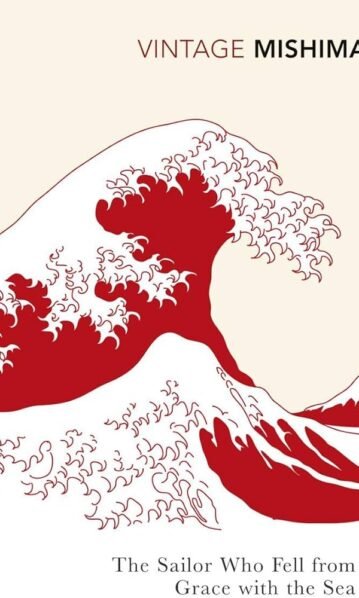
Sailor Who Fell From Grace With The Sea
29,00 ₾A band of thirteen-year-old boys reject the stupidity of the adult world. They decide it is illusory, hypocritical and sentimental, and train themselves in a brutal callousness they call ‘objectivity’. When the mother of one of them begins an affair with a ship’s officer, he and his friends idealise the man at first, but it is not long before they conclude that he is, in fact, soft and romantic. They regard this disillusionment as an act of betrayal on his part – and the retribution is deliberate and horrifying.